
Today, the Interior Ministry will launch the "Local Government Status Report" for the first time, presenting a broad, data-driven picture of the financial resilience of local authorities in Israel. The report, initiated by Interior Ministry Director-General Israel Ozan, aims to provide decision-makers, authorities, and the public with a professional knowledge base.
Despite the complex economic challenges of recent years, the report reveals a largely encouraging picture: About 62% of authorities (159 authorities) ended the 2024 budget year balanced or in surplus. Only 16% of all authorities are in a critical condition requiring "intensive care," such as recovery or efficiency plans – a figure indicating strong financial discipline that prevents extraordinary government intervention in most parts of the country.
Real estate in the periphery jumps, municipal corporations grow
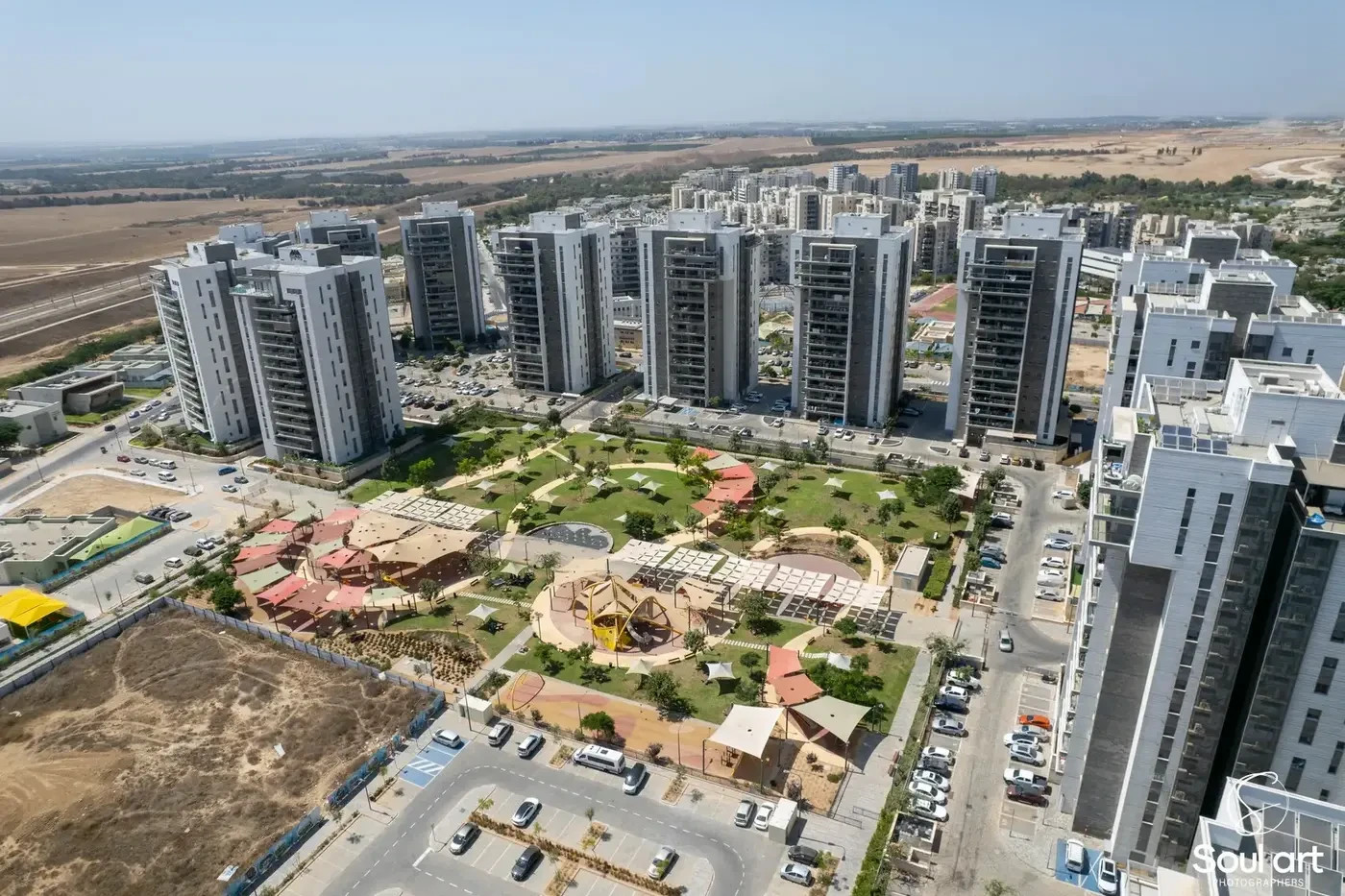
The report's biggest surprise comes from the real estate sector: Between 2020 and 2024, a 64% surge in construction starts was recorded in peripheral authorities with a low socio-economic ranking. This is a higher increase than that recorded in large authorities (56%), underscoring a dramatic shift in demand by developers and buyers moving away from high-demand central areas in search of affordable alternatives.
At the same time, the report reveals that local authorities have found a new engine for economic growth: Municipal corporations and subsidiaries, which recorded a 162% surge in revenues (with median revenues jumping from NIS 8 million to NIS 21 million per corporation). This figure points to a shift in authority and resource management away from traditional municipal mechanisms.
The collection paradox and reliance on state grants
On the other hand, the data also highlight the struggles of weaker authorities, presenting a collection paradox that deepens existing disparities: While strong authorities show a net property tax collection rate of 92%, authorities operating under recovery plans reach a collection rate of just 66%.
The inherent financial distress of residents undermines the authority's ability to collect taxes, perpetuating deficits in 38% of Israeli authorities and preventing them from achieving economic independence. To avert collapse, the Interior Ministry injects vast sums as a financial lifeline: In 2025, a record NIS 3.6 billion in balancing grants was distributed, with socio-economic cluster 3 alone receiving NIS 2.84 billion. These figures illustrate the complete reliance of the vulnerable periphery on government funding.

Interior Ministry Director-General Israel Ozan stated that: "The Local Government Status Report is a significant milestone in advancing data-driven policy and strengthening transparency. For the first time, we present a broad, professional, and data-driven picture of local government in Israel. The goal of the report is to establish a high-quality knowledge base that will help the government, local authorities, researchers, and the public better understand the local government system, identify trends, and make informed decisions. We view this report as the first in a series of annual reports that will serve as a key resource for everyone involved in Israel's local government."
Alongside the written report, a dedicated dashboard was launched – an interactive, user-friendly digital tool that translates complex datasets into a clear visual interface. Through the system, every resident will be able to clearly track financial indicators for their authority, monitor how much government funding is actually spent on services, and review the state of human resources and key leadership roles. Moving forward, any resident can access the dashboard to view their authority's data, compare it with others, and stay informed.
To view the full report and dashboard click here