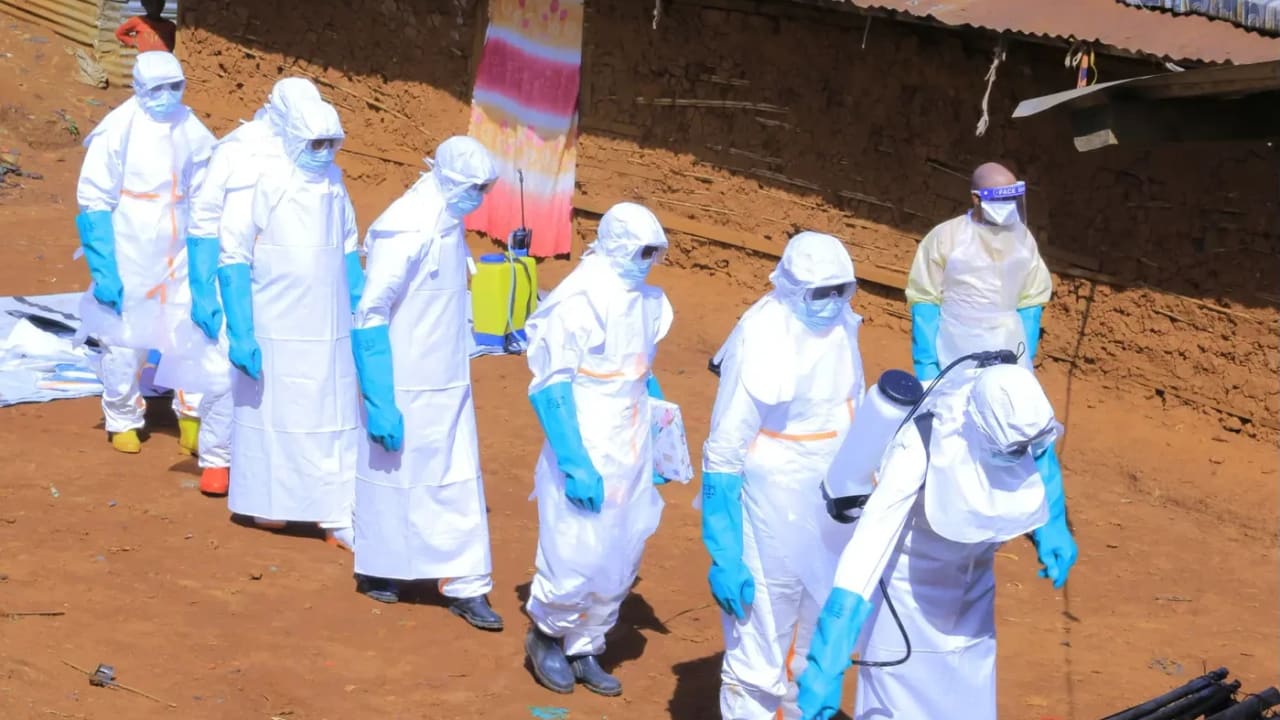
The current Ebola outbreak in Congo and Uganda brings one of the world's most terrifying and mysterious diseases back into the headlines. Despite the dramatic image of the virus, public health experts emphasize that many myths, misunderstandings, and sometimes unnecessary panic still surround Ebola.
These are the truly important things to know about Ebola, where the real risk lies, and what is actually less dangerous than commonly thought.
1. Ebola does not spread through the air
One of the most common myths surrounding Ebola is that it is a virus that passes easily through the air from person to person, similar to the flu, Covid–19, or measles. In practice, Ebola is not defined as an airborne disease.
Transmission occurs through direct contact with blood, body fluids, secretions, or equipment contaminated by a sick person displaying symptoms.
The main risk of infection is found in very specific situations, such as caring for a sick person without appropriate protective equipment, exposure to body fluids, or visiting local medical institutions during an active outbreak.
The great fear stems from the disease's reputation, but it is important to understand that the virus does not "float in the air." In most cases, direct and significant contact is required to become infected.
2. Some of the major outbreaks actually started in hospitals
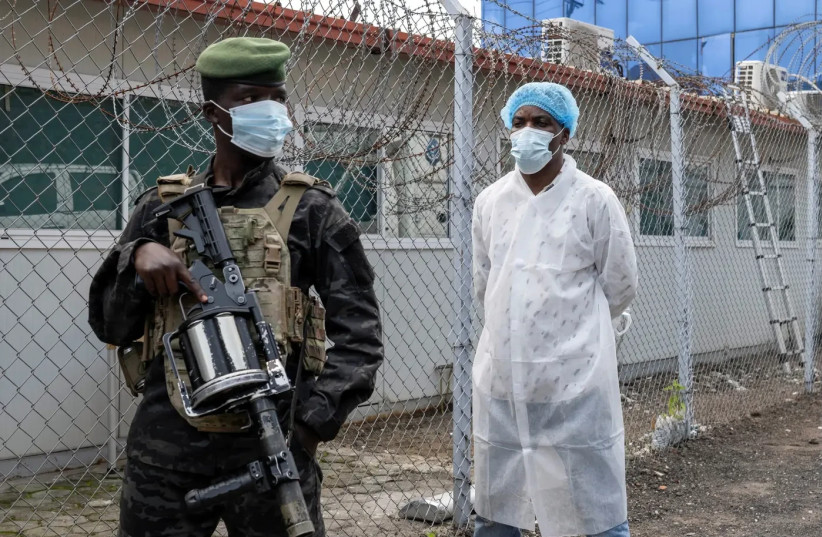
Although medical institutions are supposed to be a safe place, in some of the major Ebola outbreaks in Africa, clinics and hospitals actually became significant centers of transmission.
Medical overload, limited protective conditions, the use of non–sterile equipment, and high crowding led in certain cases to extensive chains of transmission.
When there is no ability to quickly identify and isolate patients, small hospitals and local clinics can become centers of spread.
This is also the reason why experts recommend, during periods of an active outbreak, avoiding non–essential visits to local medical institutions in areas where morbidity exists as much as possible.
3. At first it looks like "just another travel virus"
One of the most misleading things about Ebola is that its first symptoms are not always dramatic. In the early stages, the disease can look like a regular virus: Fever, weakness, headaches, muscle aches, and sometimes general fatigue.
Many travelers tend to think it is dehydration, jet lag, or something they ate on the way, but this stage is precisely the critical one.
One of the common mistakes is to continue moving between cities, buses, flights, and hostels even when not feeling well.
If a fever or unusual symptoms develop after staying in an area with an active outbreak, it is important to stop and get tested and not continue moving between destinations before medical clarification.
4. The fight against Ebola is also social, not just medical
According to experts, one of the most significant factors in the spread of Ebola is actually public behavior.
In some of the major outbreaks in Africa, the chains of transmission continued because people hid patients at home, avoided reporting to the authorities, or continued to hold traditional burial ceremonies involving direct contact with the bodies.
Ebola is a disease that can be relatively contained when there is early identification, isolation, and tracking of those who were exposed. The problem begins when people fear seeking treatment or try to "drag it out a few more days" without reporting.
In diseases of this type, public trust in the healthcare system is a critical part of the ability to stop the chain of transmission.
5. The risk to the public in Israel is still very low
Despite the dramatic headlines, experts emphasize that the risk of an Ebola outbreak in Israel is currently considered very low.
For such a case to occur, a relatively unusual chain of events is required: A person must become infected in the outbreak area, fly during the incubation period, develop symptoms only after arriving in Israel, and not be quickly identified by the healthcare system.
If a confirmed Ebola patient is discovered in Israel, the response will be very fast. The patient will be isolated under strict protection protocols, mapping of everyone who came into contact with them will be carried out, and close medical supervision will take place.
Since Ebola does not spread through the air, even in the case of a confirmed patient in Israel, the assessment is that the risk of a broad outbreak is relatively low.
As of now, there is no recommendation to avoid flights to Africa, and most travelers are not expected to be exposed to the disease at all, even during a period of an active outbreak.
However, the Ministry of Health recommends traveling with caution and higher awareness: Avoid areas where active cases exist, ensure frequent handwashing and disinfection, and avoid direct contact with sick people, body fluids, or objects that might be contaminated.
In addition, it is recommended to avoid non–essential visits to local medical institutions, participation in burial ceremonies, and contact with wild animals such as bats and monkeys.
In recent years, dedicated vaccines and treatments against Ebola have also been developed, which have helped reduce mortality rates and better control outbreaks in various countries around the world.
Dr. Roni Farber is the director of the Public Health Division at Femi