
A daily walk is usually recommended thanks to its contribution to the heart, muscles, and metabolism. But a new study indicates that the daylight to which we are exposed during the walk may also be relevant to long–term brain health.
The study followed more than 87,000 adults who did not suffer from dementia at the start of the follow–up, and found that those who were exposed to the highest amount of light during the day were at a lower risk of developing dementia in the subsequent years. Compared to participants who were exposed to the smallest amount of light, a lower risk of up to 23 percent was found in the highest exposure group.
Even a relatively short exposure to bright light, the kind usually received outside the home, was associated with a measurable reduction in risk. About 40 minutes a day of high–intensity light was associated with a lower risk of dementia.
The findings do not prove that going out into daylight prevents dementia, but they strengthen the possibility that the timing and intensity of light exposure affect the brain through the biological clock, sleep, hormones, mood, and metabolism.
How the study worked
The study, published in the journal General Psychiatry, included 87,577 participants from the British Biobank database, who did not suffer from dementia at the start of the study.
To measure light exposure accurately, the researchers did not settle for questionnaires about time spent outside the home. Instead: Each participant wore a device with a light sensor on their wrist for seven days. This made it possible to actually measure what intensity of light they were exposed to throughout the daytime hours and for how long.
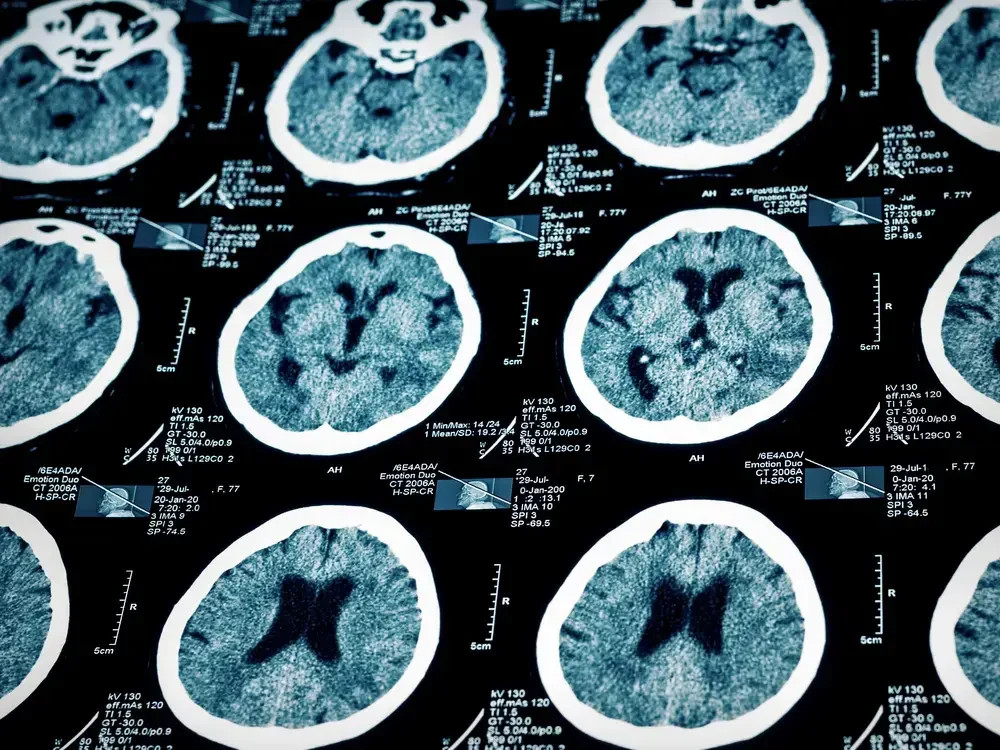
After the measurement, the researchers followed the participants for a median of 8.1 years. During this period, 741 of them were diagnosed with dementia.
The overall picture was consistent: The more light participants were exposed to during the day, the lower their risk of developing dementia later on.
When the researchers compared the group exposed to the largest amount of daylight to the group exposed to the smallest amount, it was found that in the high exposure group, the risk of dementia was up to 23 percent lower. Later, the researchers also examined specific levels of light intensity. In participants whose average daytime exposure was higher than 1,000 lux, the risk of dementia was 16 percent lower. In addition: Exposure to an intensity of at least 5,000 lux for about 42 minutes a day or more was associated with a 17 percent lower risk.
The different numbers stem from the fact that the researchers examined the connection in several ways: Once by comparing the groups exposed to the most and least light, and additional times according to the light intensity and duration of exposure. In all analysis methods, the same general direction was obtained: More exposure to light during the day was associated with a lower risk of dementia.
What is the meaning of 5,000 lux?
Lux is a measure of the amount of light that reaches a surface.
Lighting inside a home or office usually provides only a few hundred lux. In contrast: Outside it is possible to reach several thousand lux even on a cloudy day, and in direct sunlight the intensity is much higher.
Therefore, to be exposed to 5,000 lux, one usually needs to go outside or sit very close to a large, bright window. Turning on an additional lamp in the house will probably not provide a similar biological signal.
This should not be understood to mean that 42 minutes is an exact prescription for preventing dementia. The number emerged from an observational study, and not from an experiment in which participants were assigned to different amounts of light. However: The finding suggests that even a relatively short daily exposure may provide the brain with a significant daylight signal.
The brain uses light to set the biological clock
Light has a much broader role than enabling us to see. It is the most important environmental signal that sets the circadian clock, the internal timing system that synchronizes biological processes throughout the day.
Light–sensitive cells in the retina transmit information to the central clock in the brain. Light during the morning and daytime hours signals to the body that the active phase of the day has begun. This signal affects alertness, body temperature, cortisol secretion, appetite, sugar regulation, and melatonin secretion in the evening hours.
In other words: The brain uses light to regulate the rhythms that affect sleep, mood, metabolism, and memory.
A clear difference between a bright day and a dark night helps keep these rhythms synchronized. When light exposure during the day is low, or when we are exposed to a lot of light at night, the biological boundary between day and night becomes blurred.
Prolonged disruption of the circadian clock has been found to be associated with fragmented sleep, metabolic impairment, changes in inflammatory processes, and cognitive decline.
Sleep itself is of central importance to brain health. It participates in consolidating memories and in processes that help clear metabolic waste products from the brain. However: The connection is complex: Early changes in the brain can disrupt sleep and activity patterns, and at the same time disrupted rhythms can contribute to brain damage.
How daylight might affect the risk
The researchers tried to understand why more exposure to daylight was associated with a lower risk of dementia. They found that part of the connection could be explained through the effect of light on the biological clock and on sleep and activity patterns throughout the day.
In addition: Differences were found in the structure of certain brain regions, both in the cerebral cortex and in deeper areas. In some of the analyses, the combination of sleep and activity rhythms with brain structure explained up to a third of the connection between daylight exposure and dementia risk.
It is important to emphasize that the findings do not prove that daylight itself caused these changes. However: They fit a possible biological explanation: Exposure to bright light during the day may help set the biological clock, improve sleep and activity regularity, and support brain health over time.
The researchers also checked whether vitamin D might explain the results. Although sunlight helps the body produce vitamin D, it was not found to be the main explanation for the connection. Therefore: It is possible that the effect is mainly related to the role of light as a signal that synchronizes the biological clock.
The connection was particularly strong in high–risk groups
The connection between daylight and a lower risk of dementia was particularly prominent among evening types, meaning people who tend to fall asleep and wake up later, and among carriers of APOE4, the most common and well–known genetic risk factor for Alzheimer's.
In some of the sub–group analyses, daylight exposure was associated with a reduction in risk that reached up to 41 percent. The connection was also stronger in those who were exposed to relatively high levels of light at night.
It is possible that people whose biological clock is later, more sensitive, or more disrupted might benefit particularly from a strong and clear daylight signal.
However: These findings must be interpreted with caution. Sub–group analyses are based on a smaller number of participants and require validation in additional studies. Daylight does not eliminate genetic risk and does not guarantee protection against Alzheimer's.
What are the limitations of the study?
This is an observational study, and therefore it cannot prove that more exposure to daylight is what caused the reduction in risk. People who spend more time outside may also be more active, more mobile, more socially involved, or healthier to begin with.
The researchers adjusted the data for many factors, including age, education, diet, physical activity, smoking, alcohol consumption, obesity, diabetes, hypertension, hearing loss, and social isolation. Despite this: Additional factors cannot be ruled out.
Also, light exposure was measured for only one week, which does not necessarily represent the habits of the participants over years and in different seasons.
In addition: It is possible that people who are in an early and undiagnosed stage of a degenerative process in the brain go out of the house less. In such a case, the low exposure to light may be an early result of the disease rather than its cause.
What can be done right now?
It is too early to define daylight exposure as a proven means of preventing dementia. To know if a deliberate increase in light exposure indeed reduces cognitive decline, interventional studies and clinical trials are required. However: Going outside during daytime hours is a simple, cheap, and accessible habit. A short walk during daylight hours combines physical activity with exposure to bright light, and both may support the biological clock and general health.
There is no need to go out specifically in the morning. Even during the afternoon hours, the light outside is much stronger than the lighting inside the house, and sometimes even stronger. One can go for a walk, eat outside, drink coffee on the balcony, work in the garden, or simply spend some time in the open air. Even on a cloudy day, the light intensity outside is usually significantly higher than that inside a building.
Exposure to light during the morning hours may have an additional advantage in setting the biological clock, but the current study did not examine whether morning light is preferable to afternoon light. Therefore: The main practical message is to try to be exposed to natural light during the day.
There is no need, and it is also unsafe, to look directly at the sun.
It is important to remember that preventing dementia does not depend on a single habit alone. Physical activity, balancing blood pressure and sugar, good sleep, treating hearing loss, social connections, avoiding smoking, and maintaining metabolic health still play a central role.
The new study reminds us that the human brain evolved in an environment of bright days and dark nights. Maintaining this difference, through sufficient exposure to light during the day and reducing unnecessary light at night, may support the rhythms that affect sleep, mood, metabolism, and memory.
Dr. Dalit Dreman-Medina is a specialist in family medicine and integrative and functional medicine