
The Israeli technology that in recent years has changed the way severe burns are treated around the world is facing a new and particularly ambitious medical challenge. After assisting in the treatment of dozens of wounded during the Swords of Iron War and saving complex surgeries in many cases, MediWound from Yavne is now launching a large-scale international study aimed at confronting one of the most difficult and frustrating problems in modern medicine: Chronic non-healing wounds.
These are wounds that can remain open for months and even years, cause severe pain, recurring infections, severe damage to quality of life, and sometimes even lead to limb amputations and mortality.
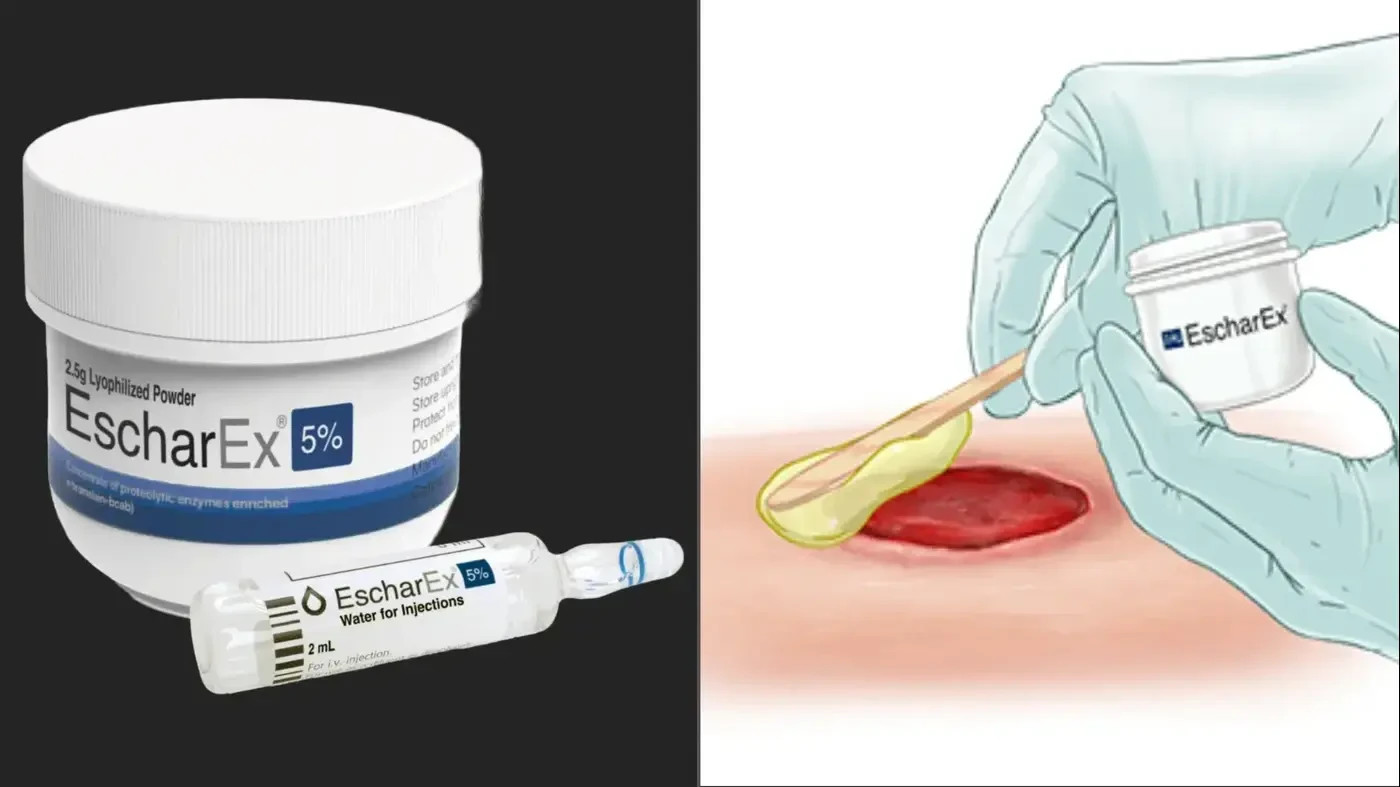
As part of the new VALUE study, the company will recruit 216 patients in leading medical centers in the United States, Europe, and Israel. The goal of the trial is to examine the efficacy and safety of the investigational drug EscharEx, which, as mentioned, is based on technology originally developed to treat severe burns.
Revolution in burn treatment
MediWound, which employs about 120 workers in Israel and around the world, has in recent years become a familiar name in the field of burn medicine thanks to NexoBrid, a drug based on enzymes extracted from pineapple stems. The treatment allows for selective removal of dead and damaged tissue, without damaging the healthy tissue surrounding it.
"In the past, the treatment of severe burns involved complex surgeries, anesthesia, and sometimes skin grafts," says the company's CEO Ofer Gonen in a conversation with Walla. "Our drug knows how to remove only the damaged tissue. By doing so, it reduces the need for aggressive surgical intervention and allows for a better recovery process."
The drug was approved by the FDA at the end of 2022 and is currently approved for use in more than 40 countries around the world.
The war that illustrated the importance
The Swords of Iron War turned the treatment into one of the most important tools in Israel's medical arsenal. According to Gonen, a significant percentage of those injured in the war suffered from burns of varying degrees of severity, and a large portion of them were treated using the technology developed by the company.
"There are about 10% of the wounded who suffered from significant burns," he says. "In many cases we managed to save surgeries and improve the medical and aesthetic result."

The experience gained during the war also attracted attention outside Israel. About a month ago, the company signed a strategic agreement valued at about $200 million with the United States government, under which the US will procure a strategic stock of the drug for emergency cases and mass casualty events.
"When there is a mass casualty event with hundreds of wounded, it is impossible to bring everyone into operating rooms," explains Gonen. "The drug allows fast and efficient treatment even under complex conditions."
Now the goal: Chronic wounds
Now the company seeks to apply the same therapeutic approach in a completely different field.
Chronic wounds are wounds that fail to complete the natural healing process. They are particularly common among diabetes patients, the elderly, and people suffering from vascular problems.
According to estimates, more than four million people in the United States suffer from chronic wounds. In Israel, it involves thousands of patients.
"These wounds accompany people for months and sometimes years," says Gonen. "They are painful, emit an unpleasant odor, limit functioning, and severely impair the quality of life."
'Removing everything that prevents the wound from healing'
EscharEx is based on the same enzymatic technology, but is tailored specifically to the needs of chronic wounds.
"We remove all non-viable tissue that prevents the wound from healing," explains Gonen. "In burns you want to act fast and more aggressively. In a chronic wound, the goal is to be gentle, reduce side effects, and allow the patient to continue their daily routine."
According to him, the treatment is time-limited and is not intended for prolonged use. "It involves a series of up to eight treatments over a period of a week to two weeks. The goal is to prepare the wound for healing and closure."
The study has already begun operating in Israel. At this stage, the Sheba, Kaplan, Shamir, and Beilinson medical centers are participating, and an additional medical center is expected to join later.
"We hope to complete the recruitment of all 216 patients by the end of the first quarter of 2027," says Gonen. "A few dozen of them will be from Israel."
'Awakening the wound'
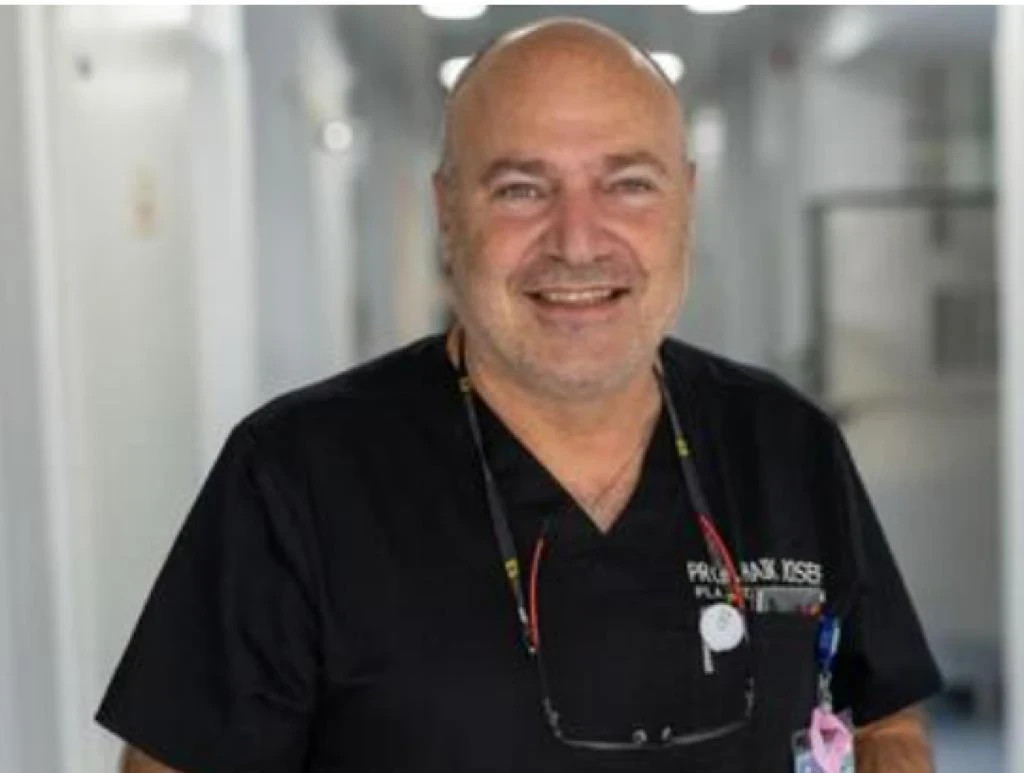
One of the key researchers in the study is Prof. Josef Haik, director of the Department of Plastic Surgery, the National Burn Center, and the Skin Bank at Sheba Medical Center.
According to him, the main idea of the treatment is to allow the wound to return to an active healing process. "A chronic wound is essentially a wound that got stuck," explains Prof. Haik. "We clean it very precisely and remove only the damaged tissue. By doing so, we give it a new opportunity to restart the recovery process."
According to Prof. Haik, this is a critical stage before any other advanced treatment. "It doesn't matter if you use special dressings, hyperbaric chambers, or other technologies. First of all, you need a clean wound."
'Saves about 60% of burn surgeries'
Haik admits that when the technology was first presented two decades ago, many in the medical community treated it with skepticism. "We were very skeptical about this drug," he says. "But today we know that the treatment saved about 60% of the burn surgeries we used to perform in the past."
According to him, the experience gained in burns provides a strong scientific and medical basis for expanding its use to the field of chronic wounds as well. "If surgery can be avoided through topical treatment and achieve a similar or even better result, it is a dramatic change. This technology has already changed the way burns are treated once. Now we are testing whether it can do the same thing for patients who have been living for years with non-healing wounds."
Chronic wounds are considered one of the most expensive and complex problems in healthcare systems around the world. They require frequent clinic visits, prolonged treatments, and sometimes recurrent hospitalizations.
According to Prof. Haik, every wound is a world of its own. "I have more than 30 years of experience in the field, and I can say that no two wounds are identical. Every patient brings a different medical background and different challenges."
He explains that currently, wound debridement options are relatively limited and mainly include surgical intervention, chemical agents, and other methods. "Surgery is an important tool, but it is not always the right solution. Especially in elderly or complex patients. Here there is an option to clean the wound very precisely, without damaging healthy tissue."
If the current study succeeds, it is possible that the Israeli technology that has already brought about one revolution in the field of burns will manage to do so again, this time for millions of people around the world living with non-healing wounds that affect their quality of life daily.
Suffering from hard-to-heal wounds causing venous insufficiency? Want to participate in this study in Israel? Enter the company website or call directly to schedule an examination: 054-796-6000 for Ruti