
Rosh Hashanah is right around the corner, and honey will star once again on the holiday table alongside the apple and the pomegranate. For most of us, it symbolizes sweetness, abundance, and hope for a good year, but behind the golden liquid lies a fascinating medical story: A substance used for thousands of years in folk medicine is now being studied in laboratories, hospitals, and wound clinics.
However, it is worth clarifying at the outset: Honey is not a miracle cure, not all traditional uses of it have been scientifically proven, and kitchen honey is not identical to medical-grade honey. In some cases, it may provide relief or assist as part of structured treatment, while in others, improper use could actually cause harm.
From ancient tradition to medical dressing
Evidence of using honey to treat wounds appears in many ancient cultures. Even before medicine recognized bacteria or developed antibiotics, people noticed that certain wounds appeared cleaner and healed better after applying honey.
Today, it is known that honey has several properties that may explain this. Its high sugar concentration creates an osmotic pressure that makes it difficult for some bacteria to develop. Its acidity level is relatively low, and certain types of honey produce small amounts of hydrogen peroxide or contain components with antibacterial activity.
When medical honey is incorporated into an appropriate dressing, it may help maintain a moist wound environment, absorb secretions, and encourage the natural clearing of dead tissue. These conditions can allow healthy tissue to regenerate and support the healing process.
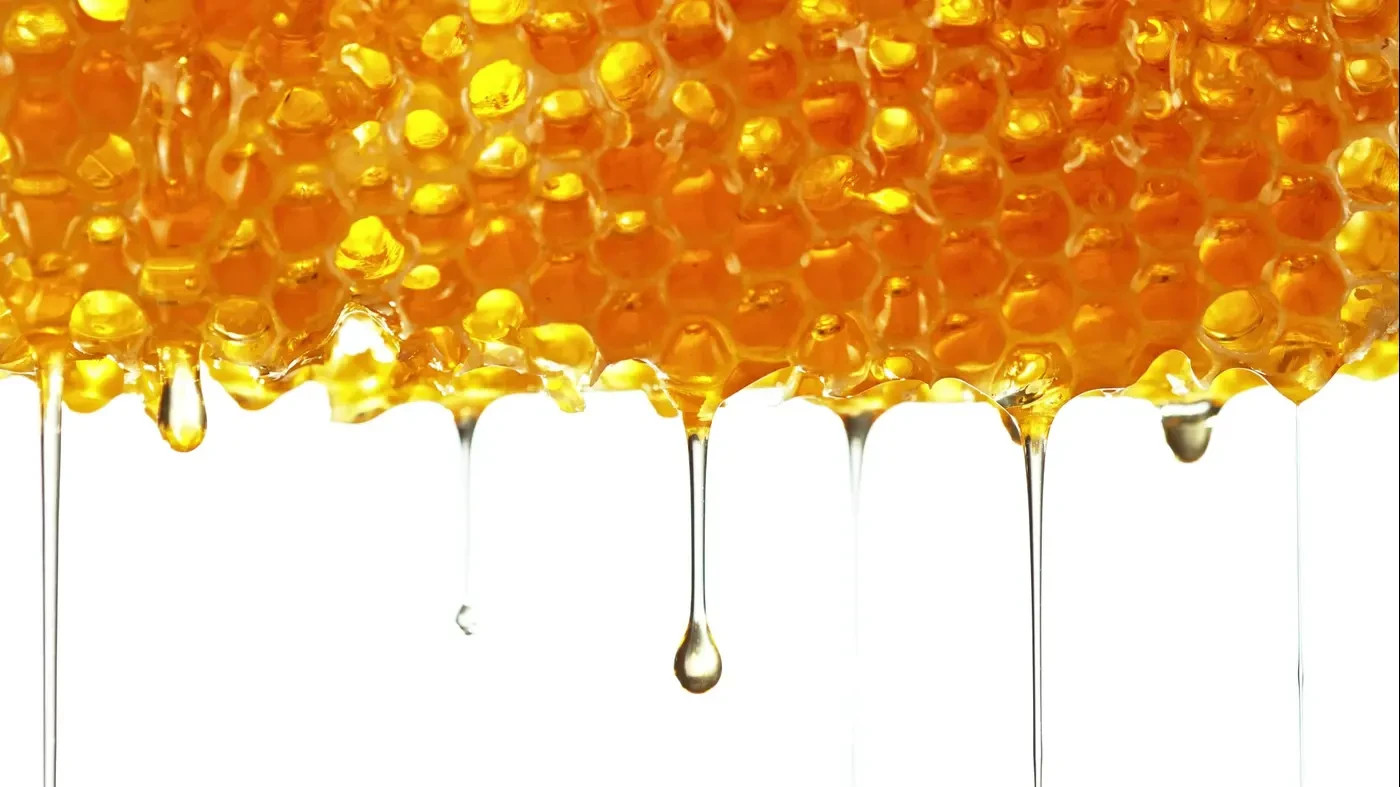
Not every wound and not every honey
Medical honey is used today, among other things, to treat certain ulcers, pressure sores, diabetic wounds, and surgical wounds. However, the evidence is not uniform across all types of wounds. Studies indicate potential benefits, but significant differences exist among patients, types of honey, dressings, and wound characteristics. A 2024 research review that found potential improvement in healing time also emphasized the vast variance among studies and the need for cautious interpretation of the results.
Honey does not replace treatment for the underlying cause of the wound. A person with a diabetic foot may require blood sugar balance, offloading pressure from the foot, and an evaluation of blood flow. An infected wound may require antibiotics or surgical intervention, and a pressure ulcer also necessitates positional changes and continuous pressure relief.
It is particularly important not to apply supermarket-bought honey to an open wound. Edible honey is not a sterile product and may contain contaminants and spores. Medical-grade honey, by contrast, is produced under quality control, undergoes a purification and sterilization process, and comes in dedicated dressings or preparations. It, too, should be used according to a professional's recommendation.
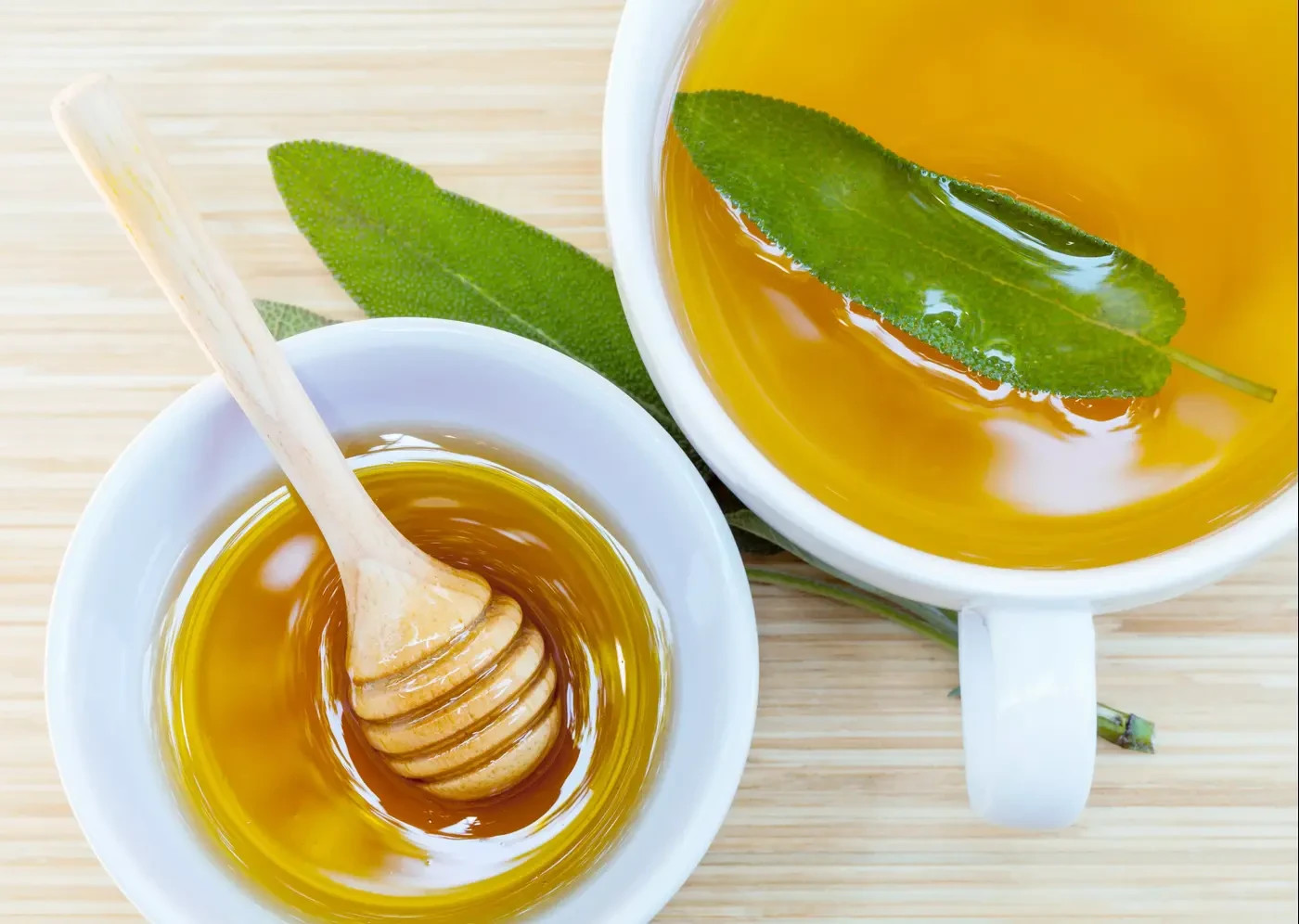
A teaspoon of honey for a cough: There is a basis for the grandmother's remedy
One of the most familiar grandmothers' remedies is a teaspoon of honey before bed for a cough. In this case, tradition has a degree of research support. Reviews found that honey may reduce the frequency and severity of coughs in the short term among children with upper respiratory tract infections, and sometimes help both the child and parents sleep better.
However, the quality of evidence is defined as low, and honey does not treat the cause of the infection nor replace a medical examination when necessary. The effect may stem from its thick texture coating the throat, the sweetness stimulating saliva secretion, and other components present in it.
The most important warning is that honey must not be given to infants under one year old, even in small amounts. Honey may contain spores of the bacterium that causes botulism, and infants' digestive systems are not yet mature enough to deal with them.
Surprising use among cancer patients
Another area where honey is being tested is oral mucositis, a painful side effect that can develop in cancer patients undergoing radiation therapy to the head and neck area, and sometimes chemotherapy. The inflammation can cause ulcers, pain, and difficulty eating and swallowing.
A review and professional guidelines by the Multinational Association of Supportive Care in Cancer pointed to the possibility of combined honey use to prevent oral mucositis in certain patients receiving radiation, with or without chemotherapy. The recommendation is not suitable for every patient, and treatment must be coordinated with the oncology team in accordance with medical protocol.
What about a sore throat, allergies, and burns?
Honey in a warm drink may temporarily soothe an irritated throat, but it should not be viewed as a treatment for bacterial infection or a substitute for antibiotics when required. The claim that eating local honey cures seasonal allergies is also widespread, but currently lacks convincing research support.
Kitchen honey should not be applied to a fresh burn, the eyes, or an undiagnosed wound. In case of a burn, the area should be cooled under running water and medical advice sought depending on severity. Home remedies could delay necessary treatment and increase infection risk.
It is also worth remembering that honey consists mostly of sugars. Although it contains interesting biological components, it still affects blood sugar levels and can contribute to tooth decay and excess calorie intake. People with diabetes should account for it within their carbohydrate intake.
Honey is not medical magic, but neither is it just a sweetener. It is a complex natural substance, some of whose ancient uses are receiving scientific explanations and a place in modern medicine today. When you dip an apple in honey this year, you can also reflect on the long journey this sweet gold has made from the beehive, through the grandmother's medicine cabinet, to modern medical dressings and protocols.
The writer: Alona Benjamin, a clinical nurse specialist in wound management at Clalit Health Services, Sharon-Shomron District