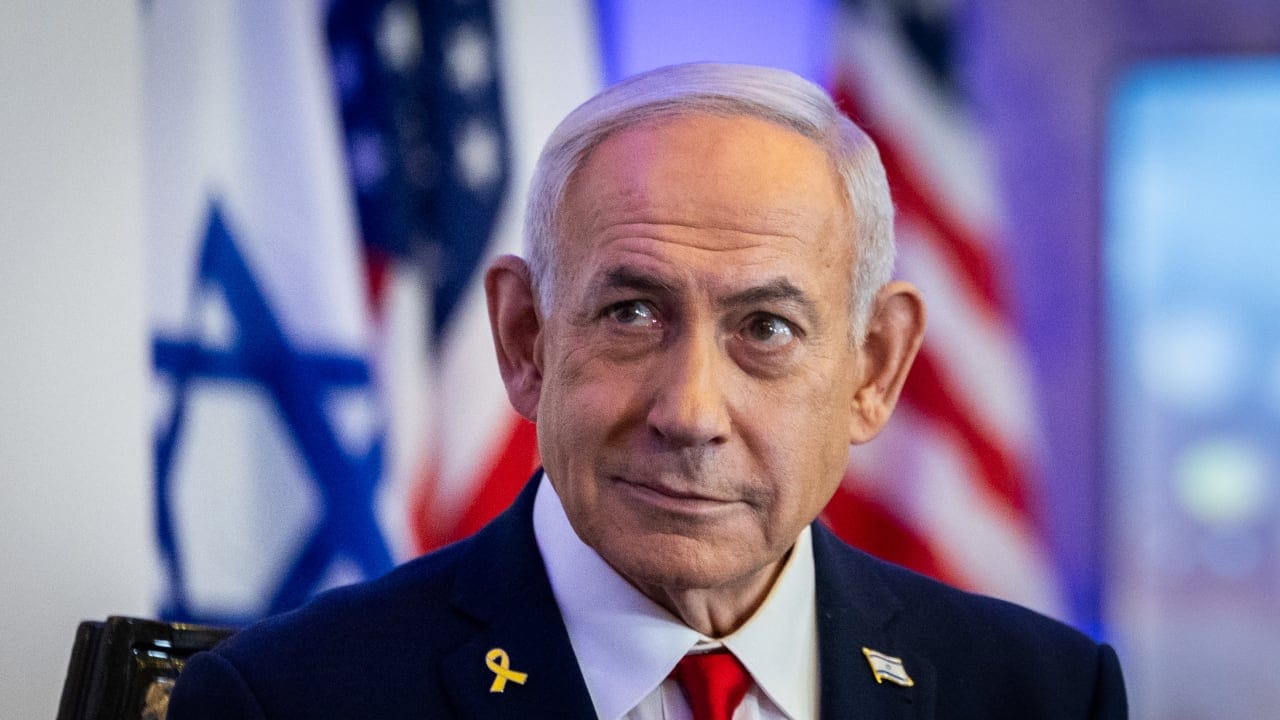
On September 28, the third day of Sukkot, Prime Minister Benjamin Netanyahu will mark 19 years as Israel’s prime minister.
By any measure, that is an astounding figure. It means that over Israel’s 78 and a half years of existence, Netanyahu has been prime minister for 24.2% of that time. In other words, he has occupied the Prime Minister’s Office for nearly one in every four days since independence, and for almost two out of every three days since he first took office in 1996.
As such, his influence on Israel and on the Jewish people has been extraordinary. Whatever one thinks of him, whether one belongs to the camp that loves or loathes him, no other Israeli politician has shaped the country’s political era so thoroughly for so long.
But all political streaks eventually end, and this one is in particular danger as Israel heads to elections in a little over a month, with Netanyahu’s chances of forming another coalition seemingly receding. At 76, if he fails this time, the possibility of yet another comeback – like those he engineered in 2009 and 2022– appears far-fetched.
Nevertheless, his survival in Israel’s unstable and cutthroat political environment is extraordinary. Even more remarkable is that, despite having been prime minister on October 7 – the deadliest day in Israel’s history – he will serve out the full length of his current term.

Even before October 7, in the summer of 2023, when tens and sometimes hundreds of thousands demonstrated against him and his government each Saturday night, this feat seemed unlikely. Yet here we are.
Netanyahu, moreover, has become more than Israel’s prime minister for many. Abroad, for instance, he has become Israel’s symbol and the lightning rod for much of the hatred directed against the Jewish state.
Criticism of Netanyahu is legitimate, both inside Israel and abroad. But the increasingly common claim – “We don’t hate Israel, only Netanyahu” – is as spurious as it is disingenuous and cannot be taken seriously when accompanied by efforts to isolate Israel, sanction it, boycott its institutions, or deny it the means of defending itself.
Netanyahu has become a convenient fig leaf: attack the country, but insist the target is only the prime minister.
Benjamin Netanyahu has become almost synonymous with Israel
But that, too, is a measure of his influence. Few leaders become so closely identified with their countries as Netanyahu has with Israel, making it more politically acceptable for detractors to direct at him the hatred they harbor toward the country as a whole.
That identification has carried into Jewish communities abroad as well, where debates over Israel increasingly become debates over Netanyahu. Supporters view him as the leader who resisted international pressure and strengthened Israel; critics blame him for deepening divisions, damaging its standing, and triggering antisemitism against them.
Either way, Netanyahu has shaped Israeli politics and come to define the way Israel is discussed, defended, and criticized around the world.
The prime minister’s legacy will remain bitterly contested. But influence is not measured by popularity or universal acclaim. It is measured by impact – and by that standard, no contemporary Jewish figure has left a greater mark.