New footage of the IDF's Operation Arnon was released on Sunday to mark two years since the operation, which led to the rescue of four hostages, Noa Argamani, Shlomi Ziv, Almog Meir Jan, and Andrey Kozlov on June 8, 2024.
During Operation Arnon, the four hostages were rescued simultaneously from two separate nearby locations in Nuseirat in central Gaza, in a high-risk joint operation by the IDF, Shin Bet (Israel Security Agency), and Israel Police's Counterterrorism Unit (YAMAM) in broad daylight.
The new footage shows the work of the Counterterrorism Unit, which arrived at both locations simultaneously, rescued the hostages, and engaged in hand-to-hand combat with Hamas's Nukhba Force terrorists until the rescue was completed and the Israeli forces were ready to disengage.
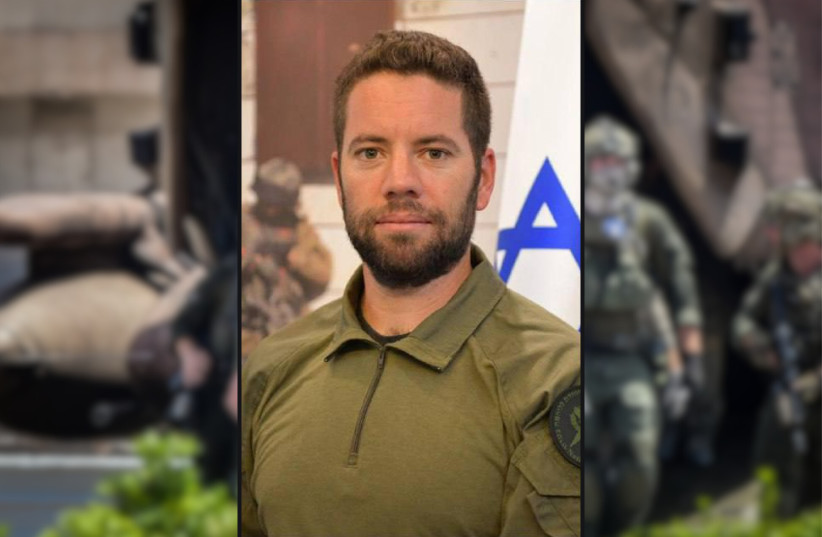
Arnon Zamora, the Counterterrorism Unit commander during the operation, was mortally wounded, and the operation was subsequently named after him.
In the new footage, Zamora is seen breaking into one of the locations where the hostages were held amid the fighting.
The planning and execution of Operation Arnon
The operation started to be planned months before June 2024, but was delayed a number of times to improve the exact intelligence about the whereabouts, risks, and security parameters related to rescuing the hostages.
At one point, the operation was going to be only to rescue Argamani, but at a later stage, it was decided to carry out a higher-risk, simultaneous operation in both locations, lest Hamas guards in the second location kill the other three hostages, hearing there was a nearby IDF attack, and not realizing that they were not part of the operation.
Part of the operation was also facilitated by the fact that the hostages were being held in civilian apartments above ground, as opposed to tunnels, where many other hostages are held.
On the other hand, the fact that some of those holding the hostages were not official members of Hamas, but civilians who were paid to supervise them to better conceal their location, created complications for the entire operation.
Operation approved, hostages rescued
The operation was finally approved in principle by the war cabinet, including Prime Minister Benjamin Netanyahu, then-defense minister Yoav Gallant, and National Unity Party officials Benny Gantz and Gadi Eisenkot (both former IDF chiefs), just days before the operation was carried out.
Around 11:00 a.m. on Saturday, then-IDF chief of staff Lt.-Gen. Herzi Halevi and then-Shin Bet chief Ronen Bar ordered the operation to be executed from a joint operations command center, with a belief that in this specific case, an operation in broad daylight would achieve greater surprise, despite the additional risks of being seen more vividly in daylight than in a nighttime operation.
Further, after all four hostages were taken out of the locations where they were being held and brought into a land escape vehicle, the vehicle got stuck.
At this point, the hostages were more exposed, and the entire operation could have ended in disaster with at least dozens of terrorists descending on them and on IDF rescue soldiers, with some of the terrorists armed with rocket-propelled grenades that could kill both the ground rescue forces and destroy rescue helicopters.
The mix of reinforcements and rescue helicopters eventually succeeded in evacuating the IDF forces and the hostages.
Yonah Jeremy Bob contributed to this report.