
A proposal granting Prime Minister Benjamin Netanyahu the authority to determine eight slots within the first 30 spots on the party list passed Monday night following a vote by the Likud Central Committee.
The vote came ahead of internal primaries before the upcoming elections.
The approved proposal marks a significant shift in the Likud primaries, granting Netanyahu expanded control over the list. Over 4,000 of the Central Committee members were eligible to vote on the changes that were set forward by the premier.
Committee members voted on three proposals by Netanayhu, all of which were approved as the voter turnout reached 72% when polls closed at 8 p.m.
The party has for years prided itself on conducting primaries in which over 100,000 of its registered members are eligible to vote for the Knesset list. Netanyahu has pushed to change the system in recent weeks ahead of the primaries, which were set for August 17.
The changes to the party's primaries have led to fierce internal tensions, with some party members in favor and others strongly against.
Senior Likud MK David Bitan released a video on Monday in which he urged party members to vote against the proposals put forward by Netanyahu and Likud Constitution Committee chairman Haim Katz.
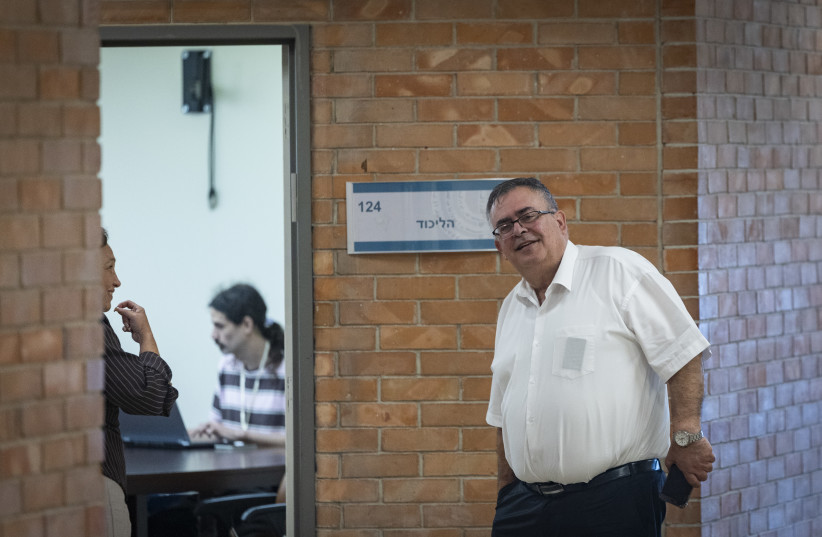
Bitan had also said that the Prime Minister's Office had contacted ministers and Likud MKs to request that they film themselves expressing support for Netanyahu's proposal to change the slots, speaking in a Sunday KAN interview.
In the lead-up to Monday's vote, numerous ministers and Likud MKs released videos expressing support for the changes to the party's primary system.
Katz, Regev, Karhi, Zohar, Cohen produce support videos
Among the ministers from the party who created support videos were Defense Minister Israel Katz, Transportation Minister Miri Regev, Communications Minister Shlomo Karhi, Culture and Sports Minister Miki Zohar, and Energy Minister Eli Cohen.
Knesset Speaker Amir Ohana and coalition whip Ofir Katz also filmed themselves making a video in support of Netanyahu’s changes.
"We will stand by the prime minister. We will strengthen the prime minister.” Regev said in her filmed clip.
The vote also comes after Likud’s top internal court rejected a Netanyahu-backed provision that would have allowed the party to cancel its Knesset primaries in the event of a security escalation, ruling that internal elections are a constitutional obligation that cannot be replaced in advance by an appointed committee.
“The Likud is not a party of one man, and it will lose its vitality if it becomes one,” the three-member panel wrote in a ruling issued Saturday night ahead of Monday’s party convention.
The primaries determine the Likud’s Knesset slate, with the party chairman placed first. Registered members then vote for candidates on the national list, while members from geographic districts vote for candidates from their respective districts.
Candidates chosen on the national list are combined with district representatives and places that guarantee representation for groups including women, immigrants, young members, and minorities. The regulations also reserve certain positions for candidates chosen by the party chairman.
In the 2022 primaries, for example, the first group of positions after the party chairman was largely filled by nationally elected candidates, while district positions and guaranteed-representation slots were inserted farther down the slate. Netanyahu was also given several reserved positions.
The precise locations of those different categories are determined before each election through the party’s temporary election regulations. That is why the current fight has centered not only on whether primaries will take place, but on how much of the resulting slate the members will actually control.
Netanyahu reportedly meets Katz ahead of vote
Netanyahu reportedly has held several meetings with senior Likud figure Katz ahead of the vote, seeking to bridge disagreements over the primary system.
The first vote on the primaries had been postponed multiple times, prompting reports that Netanyahu was working to secure internal support for changing the system.
There have also been reports that Netanyahu has threatened to leave Likud if the proposed changes are not advanced.
Some of the reserved slots could reportedly go to figures such as Foreign Minister Gideon Sa’ar and former finance minister Moshe Kahlon.
Those within the party who oppose changing the primaries have argued that it will cause those who would otherwise score highly in the primaries to fall further down the list.
A fierce critic of changing the system has been MK Tally Gotliv, who is viewed as a candidate who would receive broad support from registered party members.
Gotliv had recently released a video claiming that Justice Minister Yariv Levin and Israel Katz were working behind the scenes to cancel the primaries to receive a high slot from Netanyahu.
Most Israeli political parties do not hold primaries.
Parties are not required to hold primaries in Israel, and only a few do so.
The Likud primaries are expected to be highly competitive. Likud currently has around 40 ministers and MKs serving in the government and Knesset, but recent polls project the party winning only about 25 seats, leaving many at risk of losing their places on the party’s Knesset list.
The debate on how to hold the Likud primaries comes ahead of the general elections, which are set to take place on October 27. The party's primaries on August 17 were postponed multiple times amid the debate.
Sarah Ben-Nun contributed to this report.