
Sina Kazemi, 22, had big dreams before the Islamic Republic killed him six months ago.
“There is a video from Sina’s last birthday. As he was blowing out the candles, he smiled and said: ‘I have very big dreams,’” his sister, who lives outside Iran, told The Jerusalem Post in an interview.
“The Islamic Republic did not just take his life – it extinguished those dreams.”
Kazemi was an introverted, hardworking young man who was actively working toward building a better future.
He liked to kickbox, play the guitar, and play sports with his loved ones.
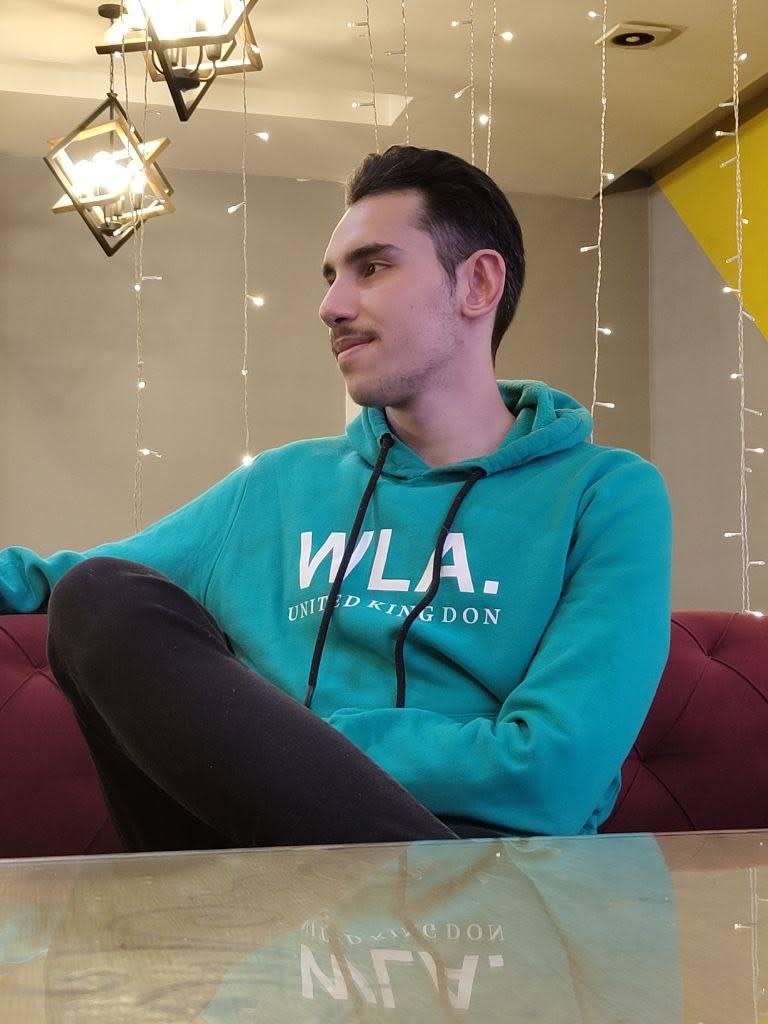
Kazemi was in the last semester of his software engineering program at university, and dreamed of moving to Canada to continue his education.
What happened to Sina Kazemi during Iran's protests?
On January 8, 2026, that all changed.
He left his family’s home in the Tehranpars district of Tehran at around 9 p.m. that evening. By 11 p.m., his family began what would become a six-day search.
Authorities told the Kazemi family that he was alive, but told them that he was being held at a number of different detention centers.
His family found his body in Kahrizak. His death certificate said that he had died the same night he disappeared, contradicting the authorities’ repeated claims that he was alive.
Kazemi’s body had been battered and bruised. He was shot from behind, and his wrists had significant bruises, which suggested that his hands had been tied.
Across his body, he had multiple cuts and had stitched-up wounds on his arm and thigh.
“To this day, no one has ever explained what really happened to him during those six days,” his sister told the Post.
Once his body was found, the family had no choice but to bury him the next day, January 15. His funeral took place under heavy surveillance, with armed plainclothes security officers present, creating an intimidating and fearful atmosphere.
His family was pressured to declare him a martyr, which they refused to do.
“That would have meant accepting the government’s false narrative about how he died. He was killed by the security forces of the government,” his sister explained to the Post.
Now, his family feels incomplete and is angry that they had to suffer in silence apart from one another.
During the protests, Kazemi’s sister was living outside Iran, and could not communicate with her family because of the internet blackouts the regime had in place at the time. She was unable to attend her brother’s funeral on January 15, and was not even aware that he was dead until after his funeral.
The authorities also began arresting and intimidating the siblings of many victims, making it almost impossible for their families to grieve safely.
His sister told the Post that the family was “forced to mourn in isolation. Instead of supporting each other through unimaginable grief, we were separated by fear, repression, and internet blackouts.”
She said that, during the first six months of 2026, internet access in Iran was almost completely unavailable for nearly four months, making even basic communication between family members nearly impossible.
The Kazemi family told the Post that they were disturbed by what happened to their son.
“What happened to Sina and thousands of other young Iranians is not normal,” his sister told the Post.
“Citizens should not be killed by their own government for peacefully demanding their basic rights. Yet too many people around the world choose not to see this reality or fall victim to the Islamic Republic’s propaganda.
“This is not about being pro-America or anti-America. It is not about being pro-Israel or anti-Israel. It is not even about Islamophobia,” she added.
“It is about thousands of innocent young Iranians who wanted nothing more than the opportunity to build meaningful lives with dignity and freedom, but were killed by their own government.
“Iranian lives matter. Iranians are not just numbers in headlines. The world must not look away.”