
Tehran has received a letter from US Vice President JD Vance, but it has not responded to it yet, Iran's semi-official Tansim news agency said on Thursday, after the Wall Street Journal reported on Wednesday that Vance sent a letter to Iranian Security Chief Mohsen Rezaei in a bid to revive peace negotiations.
Tehran insists on its seven conditions being met by the US and "any position that contradicts this framework is unacceptable," the agency added.
US President Donald Trump said that Vance's outreach to Iran was about helping the country get medical supplies.
The Wall Street Journal reported that Vance sent the letter at Trump's direction. When asked by reporters later on Wednesday if he directed Vance to reach out to Iran to restart peace negotiations, Trump said: "No."
"What that is is they need help with medical supplies and various things. He (Vance) asked me what I thought. I said, if you want to do that, that's okay. Basically, it's getting supplies in to help people that are not well," Trump told reporters.
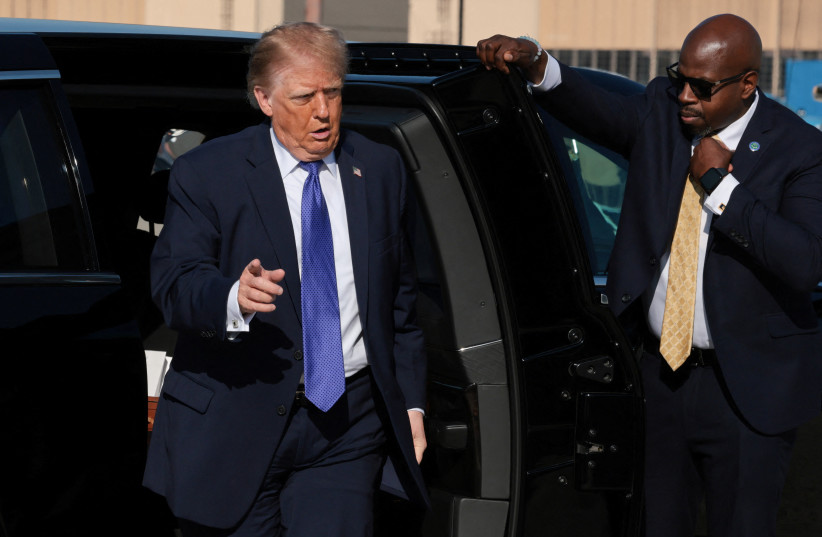
Iran's mission to the United Nations in New York did not immediately respond to a request for comment on the letter and Trump's remark. Vance's office did not immediately respond to a request for comment.
The United States and Israel launched a war against Iran at the end of February. The US has also since imposed a naval blockade on Iran to starve it of oil export revenue and escalated efforts to economically isolate Iran.
Iran blames US for lack of medical supplies
Iran has long blamed US sanctions for hindering civilian access to medical supplies.
In an August letter to the UN Security Council, Iran accused the US of intentionally depriving civilians "of access to food, medicines, medical equipment, energy and other necessities, with grave consequences for their rights to life, health, food and a decent standard of living."
Qatari mediators presented Iran with a new draft deal on Sunday to end the war, but a senior Iranian official said Doha had only put forward unacceptable ideas that did not amount to an offer.
The war's impact on global energy costs has also weighed on support for Republican candidates and hurt Trump's approval ratings ahead of the US midterm elections that decide control of Congress. Trump's Republican Party holds a narrow majority in both chambers of Congress.