
The Iranian regime is unable to pay its troops due to Operation Economic Outcast, US Treasury Secretary Scott Bessent said in a Thursday interview with CNBC.
"It makes them unattentive to what's happening, and then the Ayatollah is isolated. But the rubber is meeting the road; they're not able to pay their troops," Bessent said. "Importantly, they're not able to get dollars, so they're not able to replenish."
He added that the funding Iran also puts towards its proxies, such as the Houthis, Hamas, and Hezbollah, is also being cut under the American sanctions.
"That's kind of the tip of the spear when that money starts going down," he said.
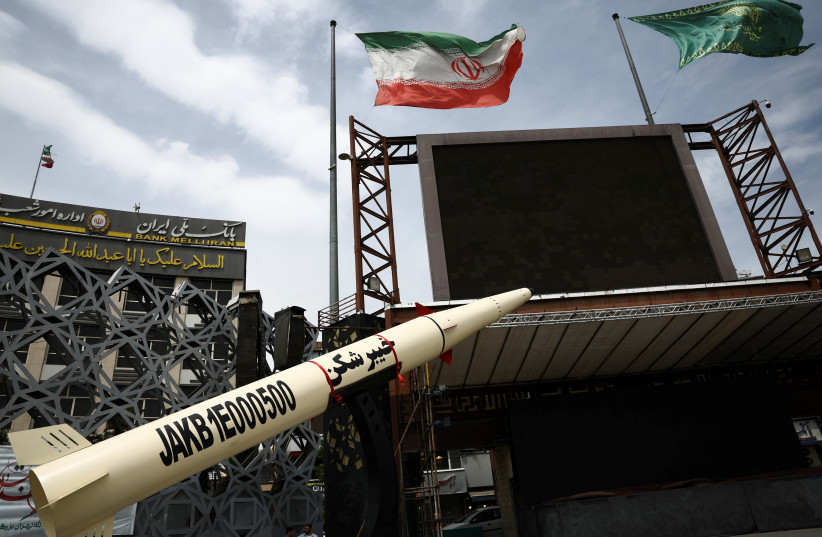
The operation, which was announced August 24, aims to cut Tehran's funding for the war, missile construction, cyberattacks, and the Islamic Revolutionary Guard Corps (IRGC).
The Jerusalem Post previously reported that Operation Economic Outcast is falling short of its full potential without greater coordination with international partners, citing a new assessment by two experts from the Washington Institute for Near East Policy.
According to the experts, closer coordination with allies on sanctions would strengthen Washington’s efforts to undermine the Iranian regime alongside the ongoing blockade of the Strait of Hormuz.
Criticizing Washington for relying on targeted, limited diplomatic efforts to address Iran-linked terrorism, they argued that the results achieved so far have demonstrated the value of a more international approach.
Hezbollah readies for new regional war with funds from Iran, sources say
However, despite Bessent's comments, Hezbollah has reportedly spent three months preparing for a possible resumption of hostilities with Israel, after receiving an infusion of cash from Iran, according to Lebanese security personnel briefed on its activities.
The terror organization remains committed to attacking Israel and has used a lull in hostilities since June to rearm, with a focus on procuring explosives and producing drones that can be flown into the security zone, two Lebanese security sources told Reuters.
One of the sources, and another close to Hezbollah, said the group had received tens of millions of dollars from Iran to help boost its military capabilities. That is in addition to around $200 million that the terror group previously received from Tehran, which Reuters reported earlier this month.
Danielle Grayman-Kennard and Reuters contributed to this report.