After the events of October 7, 2023, Israelis searched for answers in Hamas tunnels, Iranian funding, intelligence failures, and military mistakes. But the painful truth is this: before Hamas crossed the border, Israel was already tearing itself apart from within.
The Jewish state was not weakened only by external enemies. It was weakened first by internal hatred, political arrogance, tribal warfare, and the dangerous belief that defeating fellow Jews had become more important than protecting the nation itself.
Before Oct. 7, Israel was consumed by the judicial reform crisis. Protesters and coalition supporters no longer saw each other as political rivals but as existential enemies. Television studios became arenas of humiliation.
Social media rewarded outrage instead of responsibility. Some politicians spoke as if the government itself were the greatest threat to Israel. Others treated half the country as traitors.
Reservists threatened refusal. Coalition figures mocked opposition fears instead of calming them. Opposition leaders often spoke as if the collapse of the government mattered more than the unity of the nation.

Israel's greatest failure was moral, national
Meanwhile, Hamas watched. And learned. The greatest intelligence failure in Israeli history was not only military. It was moral and national. Israel’s enemies saw a society losing its ability to speak as one people.
Today, many Israelis still refuse to face a difficult truth. The October 7 massacre cannot be blamed on only one man or one political camp.
The Left blames Prime Minister Benjamin Netanyahu and the nationalist-religious coalition. The Right blames the protest movement, the judiciary, the media establishment, and military elites. But history will judge all of them together.
Every major political camp failed to protect the unity and resilience of the Jewish state.
Netanyahu bears responsibility as the leader, governing Israel during the worst massacre of Jews since the Holocaust. History will examine his decisions critically. But reducing Israel’s deepest crisis to one individual is intellectually dishonest and politically dangerous. Netanyahu did not invent tribal politics, ideological hatred, media extremism, or institutional mistrust.
Nor can anyone honestly deny his achievements. Netanyahu remains one of Israel’s strongest international strategists and diplomatic architects. The Abraham Accords transformed the Middle East and reshaped Israel’s regional standing. Under his leadership, Israel expanded economically, diplomatically, and militarily.
But leadership also requires knowing when an era must end.
After the failures surrounding Oct. 7, Israel needs renewal – not endless personality worship, revenge politics, or permanent political war between “pro-Bibi” and “anti-Bibi” camps. Statesmanship means preparing the next generation. Moses eventually passed leadership to Joshua. Every democracy must renew itself if it wishes to survive.
At the same time, some members of Netanyahu’s coalition have seriously damaged Israel’s international image through reckless rhetoric, political spectacle, and social-media populism masquerading as leadership.
Viral clips may energize supporters online, but they weaken Israel diplomatically abroad. Leadership is not measured by TikTok views or television shouting matches. It is measured by whether citizens feel safer, more united, and more respected.
Yet the Israeli Left must also confront its own failures. Too many voices on the left dismissed millions of conservative, religious, and Mizrahi Israelis as primitive, dangerous, or illegitimate. A democracy cannot survive when entire communities feel hated by cultural, academic, and media elites.
The danger facing Israel today is not necessarily civil war in the classic sense. Most Israelis, Right and Left, do not want Jews fighting Jews. But the danger of civil unrest, refusal movements, violent street confrontations, institutional paralysis, and deep social fragmentation is becoming increasingly real.
This warning is now being voiced across different parts of Israeli society, including by members of the new Israeli political movement Orot HaShachar.
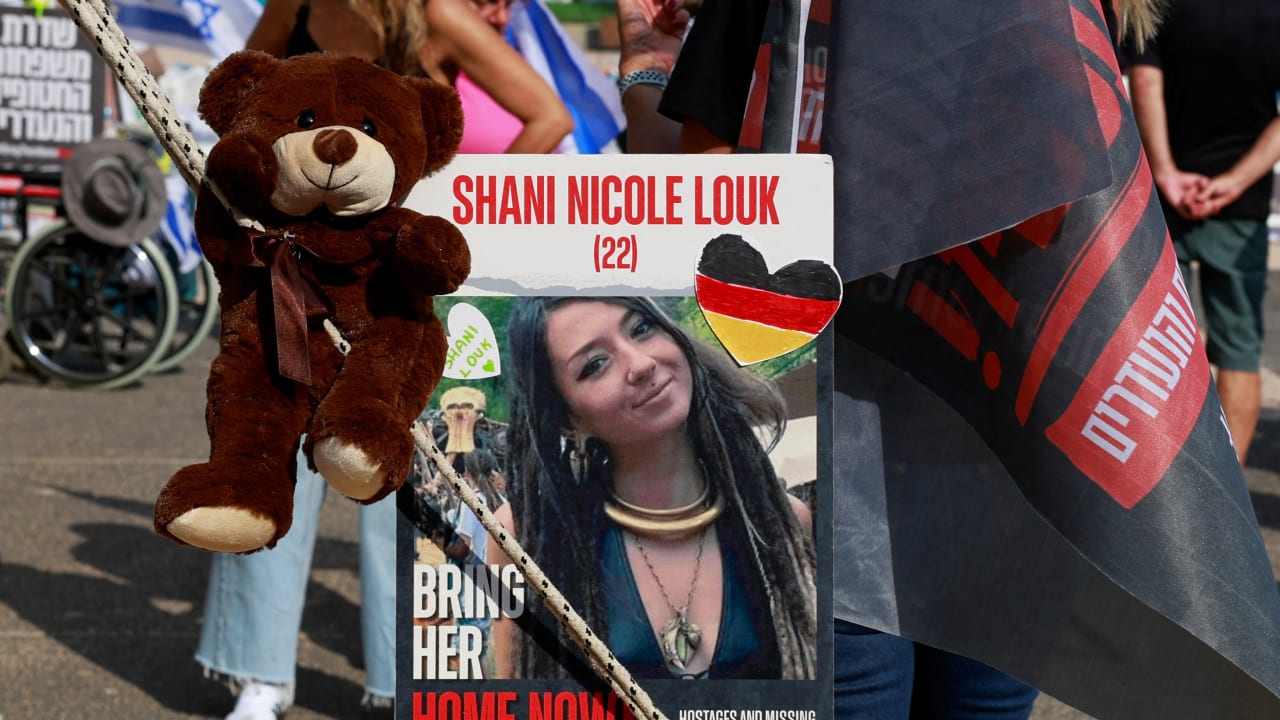
One of its leaders, Nissim Louk, the father of Shani Louk who went to dance at the Nova Festival and was brutally murdered and kidnapped by Hamas, has openly warned about the danger of internal Jewish division and the fear that Israel could eventually collapse from internal hatred if the current political culture continues.
Their movement presents itself as a response to exhausted Israeli politics: leadership based not on ego, corruption, endless campaigning, and tribal warfare, but on service, unity, responsibility, and rebuilding trust between Israelis.
Whether one agrees with Orot HaShachar politically is less important than the warning itself. Israel cannot survive if political camps begin seeing one another as enemies rather than fellow citizens sharing a common destiny.
Israel also cannot continue speaking about democracy, diversity, and representation while excluding Ethiopian Jews and other minority Jewish communities from positions of real national influence.
Ethiopian Jewish blood is shed defending this country. Ethiopian Jewish soldiers fight, die, and sacrifice for the Jewish state. Yet Ethiopian Jewish voices remain largely absent from senior cabinet leadership, major diplomatic discussions, and international media platforms discussing Israel’s future.
Why are Ethiopian Jews still largely invisible in national leadership?
Why are Black Jewish voices rarely included when the world debates Zionism, Israeli democracy, antisemitism, or the future of the Jewish people?
The story of modern Israel is incomplete without Ethiopian Jews, Mizrahi Jews, Russian Jews, Druze, secular Jews, religious Jews, and immigrants from every corner of the Jewish world. Israel’s strength has always come from its diversity united around a shared national purpose.
I am not the biblical prophet Isaiah or Jeremiah. But as a writer and political analyst, I believe the warning signs are visible.
A society that loses the ability to see political opponents as fellow citizens enters dangerous territory.
Israel must choose security without hatred, reform without revenge, patriotism without tribal supremacy, and unity without demanding ideological surrender.
Because after Oct. 7, the greatest victory Hamas, Hezbollah, Iran, and Israel’s enemies could achieve would not be conquering the Jewish state militarily.
It would be convincing Jews that they can no longer live together as one people.
The author is a former NYC Supreme Court detective and an investigator and educator in conflict resolution, restorative peace, and a moral diplomacy expert. His upcoming book, Moral Diplomacy for a Broken World, is inspired by Rabbi Jonathan Sacks.