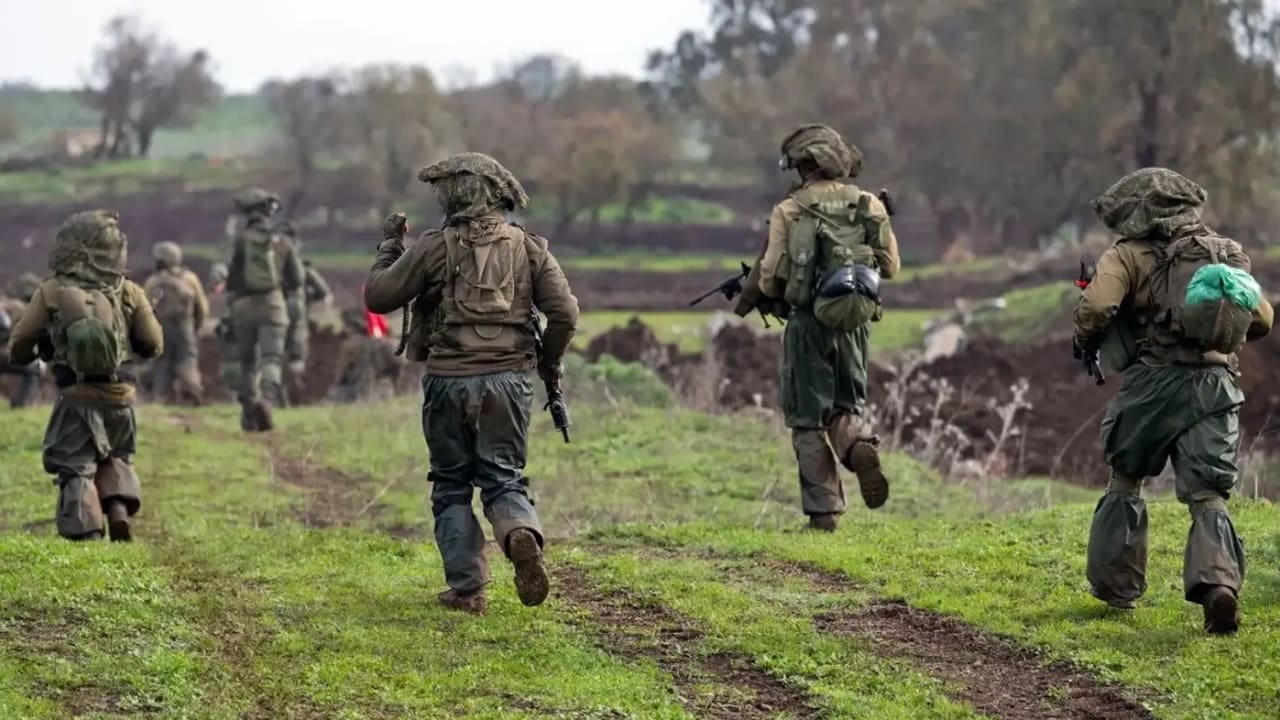
As I write these lines, I have just received yet another reserve duty call-up. Since October 7, I have accumulated more than 300 days of reserve duty – nearly a full year away from my regular work, family life, and daily routine.
At my age, I now serve close to home rather than along Israel’s borders, as I did for many years. Yet after nearly three years of war, hundreds of reserve-duty days, and repeated call-ups, I feel firsthand what so many reservists are experiencing: exhaustion, mounting pressure, and the ongoing impact on work, businesses, family life, and personal well-being.
I am proud of my service and grateful for the opportunity to contribute. I do not compare myself to the younger soldiers on the front lines who risk their lives every day. But precisely because of that commitment, I find it increasingly difficult to ignore a fundamental question: Has the state truly adapted itself to the reality it is asking us to carry?
The government’s decision this week to authorize the call-up of up to 280,000 additional reservists through the end of July highlights the gap between policy and reality. On the one hand, Israel continues to rely on its reserve forces at unprecedented levels. On the other, the economic and legal frameworks supporting reservists remain largely based on the assumption that reserve duty is a short-term disruption rather than a long-term reality.
Extended reserve duty is no longer an exception. For hundreds of thousands of Israelis, it has become part of everyday life. Yet public policy continues to lag behind.

The cost is not measured only in salaries or compensation payments. It is reflected in delayed projects, missed business opportunities, small businesses struggling to stay afloat, and families repeatedly coping with prolonged absences. The real impact lies not only in what is compensated, but also in what never happens because key people are repeatedly pulled away from their professional and personal lives.
That is why the answer cannot simply be another grant or another financial benefit. In conversations with fellow reservists, I rarely hear demands for a few hundred extra shekels. What I hear instead is a call for certainty – confidence that the state recognizes reserve duty is no longer an exceptional event and is planning its policies accordingly.
Israeli society goes the extra mile to support reservists
Over the past two years, the business sector, civil society organizations, and thousands of volunteers have gone above and beyond to support reservists and their families. Many employers have demonstrated remarkable flexibility and commitment. But valuable as these efforts are, they cannot substitute for public policy.
What is needed is a shift from a tactical compensation approach to a strategic resilience framework. That means adapting economic and institutional tools to a new reality: targeted support for businesses affected by extensive reserve duty, dedicated solutions for self-employed professionals and small businesses, incentives for supportive employers, and mechanisms that help preserve business continuity and workforce stability.
This is not merely a social issue; it is an economic one. A country that expects hundreds of thousands of citizens to repeatedly leave their jobs, businesses, and families in order to serve must ensure that the systems supporting them are built for the long term as well.
I will continue to report for duty whenever I am called. So will many of my friends. But the willingness of citizens to carry the burden cannot replace policy. If reserve duty has become a permanent feature of Israeli life, then the state’s responsibility toward those who serve must become permanent as well.
The writer is CEO of Good Vision, a corporate responsibility, ESG, and risk management consultancy that is part of the Grant Thornton global network, and author of the book Corporate Responsibility 2.0.