In the 21st century, clean energy is no longer just an environmental talking point – it is the indispensable foundation of economic expansion, industrialization, and the emerging digital economy. Across East Africa, a major transformation is underway, and its center of gravity sits in Addis Ababa.
By aggressively expanding its renewable energy capacity, Ethiopia is rapidly evolving into East Africa’s undisputed clean energy bank. What was once framed purely as domestic infrastructure development has grown into a powerful engine of economic integration and energy diplomacy across the Horn of Africa.
Beyond rhetoric: Building a diversified powerhouse
For years, skeptics viewed ambition around green economies in the region as high-minded policy talk. However, recent milestones reflect concrete, measurable progress. Prime Minister Abiy Ahmed’s vision of “illuminating every corner of our nation” is being backed by heavy infrastructure investments across multiple generation vectors.
The completion and full operation of the Grand Ethiopian Renaissance Dam – now generating 5,150 MW – has single-handedly more than doubled Ethiopia’s total electricity capacity. Coupled with the rapid progress of the Koysha Hydropower Project, these installations provide a foundation for regional energy security.
Yet, relying solely on river basins is a risk in an era of unpredictable climate patterns. To mitigate this, Ethiopia has diversified its energy mix.

Wind power projects, including Ashegoda, Adama 1 & 2, Ayisha 2, and Assela, currently yield 504 MW, with the expanding Ayisha project adding further capacity.
Geothermal power stations are also being developed, with key projects under construction at Aluto-Langano and Tulu Moye that promise reliable baseload power.
Off-grid solar is also expanding through solar mini-grids. Home solar installations are expanding access to remote villages, powering local health posts, schools, and agricultural processing hubs.
From the ‘water tower’ to the ‘power tower’
In his 2021 book The Power of Geography, geopolitical analyst Tim Marshall noted that if Ethiopia managed its water resources effectively, it would transition from being the “water tower” of Africa to the region’s “power tower.”
Decades earlier, in 1972, Ethiopian geographer Professor Mesfin Woldemariam highlighted similar strategic possibilities.
That prediction is now playing out in real time.
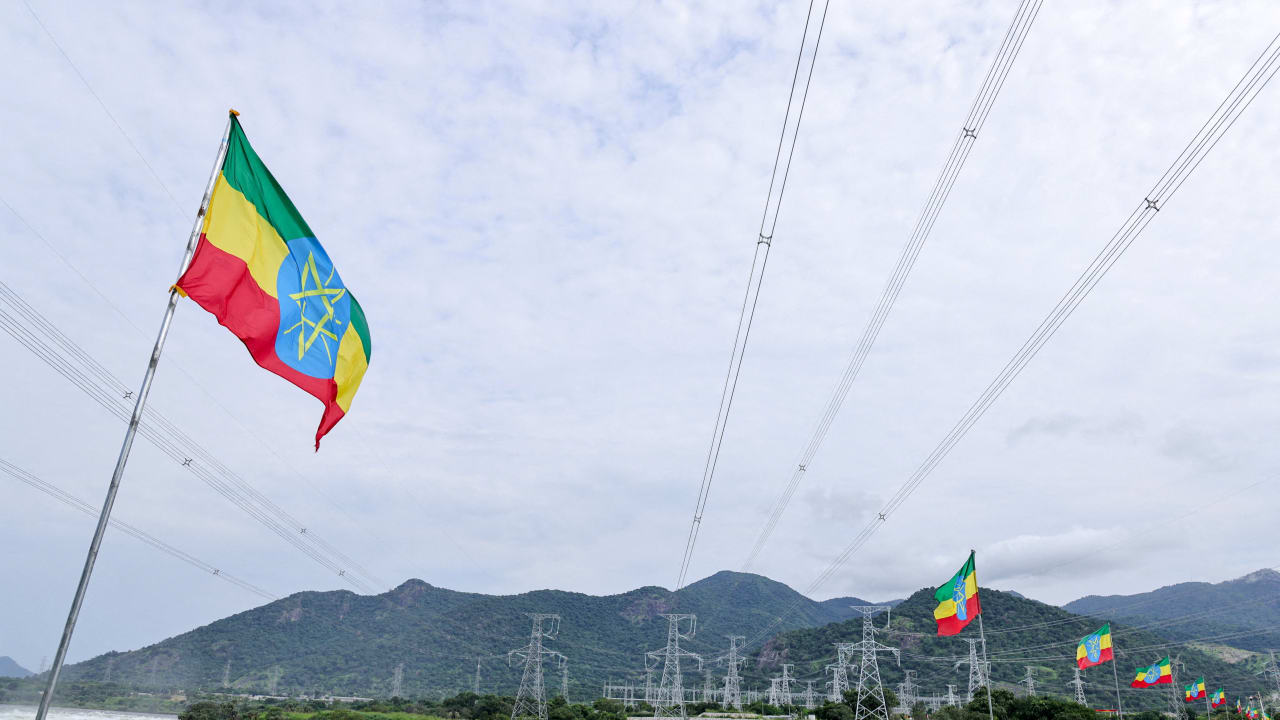
Ethiopia is no longer acting merely as an isolated producer; it has positioned itself as a core regional exporter. Cross-border transmission lines actively supply clean, affordable electricity to Kenya, Sudan, and Djibouti.
For Kenya and its neighbors, importing Ethiopian hydropower helps stabilize national grids, cut down reliance on costly thermal plants, and accelerate climate targets.
This interconnectedness changes regional geopolitical dynamics. When nations share critical grid infrastructure, energy trade shifts from a standard commercial transaction into a framework of shared interest. Interdependence creates a practical incentive for regional stability and cooperative diplomacy across East Africa.
Unlocking trade and private investment
This energy push coincides with broader economic integration. Ethiopia’s active engagement with the African Continental Free Trade Area, ongoing steps toward World Trade Organization accession, and entry into the BRICS bloc demonstrate a strategy anchored in trade and regional partnerships.
By modernizing regulatory frameworks and opening power generation to private developers, the country is creating clearer entry points for international and domestic foreign direct investment. Reliable power drives manufacturing, supports small and medium-sized enterprises, and creates jobs – laying the groundwork for domestic businesses to scale across borders.
Looking ahead: The vision for an interconnected grid
The long-term vision extends beyond the Horn of Africa. Strategic planning points toward an interconnected power grid reaching across North Africa, with ultimate links toward European markets. Over the next decade, continued expansion into geothermal, wind, and solar will be critical to sustaining this momentum.
Energy access remains one of the strongest multipliers for human development. By leveraging its natural assets into usable, exportable power, Ethiopia is offering a compelling case study for emerging markets: how to leapfrog traditional, carbon-heavy development models in favor of a clean, interconnected, and self-reliant energy future.
The writer is an international relations professional based in Addis Ababa, specializing in Horn of Africa geopolitics and war journalism, and the author of two books on Nile diplomacy.