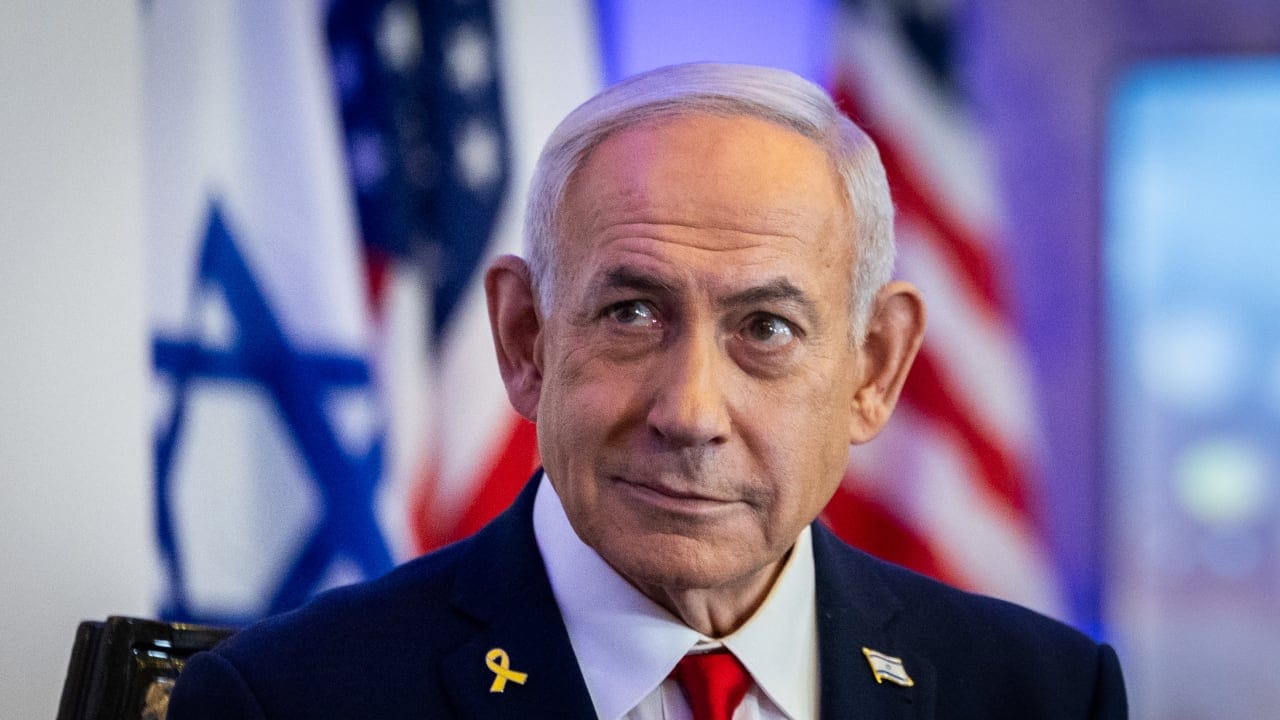
Israel has defeated enemies on the battlefield, built technology admired across the world, and transformed a vulnerable young state into a military and economic power.
Yet, as an Ethiopian-born Israeli-American who loves this country, I am angry that we have allowed those victories to coexist with a diplomatic collapse so severe that millions who once respected Israel now see it as an enemy.
That collapse is not imaginary. A 2026 Pew survey across 36 countries found that a median of 67% held an unfavorable view of Israel.
In the United States, our indispensable ally, 60% of adults viewed Israel unfavorably, while 59% expressed little or no confidence in Prime Minister Benjamin Netanyahu’s handling of world affairs.
Patriotism now requires honesty: Israel failed on October 7, and it has failed in international diplomacy. Admitting failure is not surrender. It is the beginning of repair. Israel’s enemies spread lies, antisemitism, and the obscene claim that Zionism is a white colonial project.

Hamas deliberately murders civilians and then exploits Palestinian suffering. The United Nations repeatedly applies standards to Israel that it does not apply to dictatorships. These realities must be confronted. But blaming the entire world is not diplomacy. It is an excuse for diplomatic failure.
The Israeli people have shown extraordinary courage since October 7. Soldiers, reservists, bereaved families, medical workers and ordinary citizens carried the country through its darkest hours.
Jewish communities worldwide raised money, defended Israel and stood against antisemitism. They deserve gratitude. They also deserve leadership capable of converting military sacrifice into international legitimacy, security and peace.
For nearly two decades, Netanyahu has persuaded Israelis that only he can lead them. That claim became self-fulfilling because potential successors were marginalized, humiliated, or driven from his political camp. Rabbi Jonathan Sacks taught, “Good leaders create followers, but great leaders create leaders.”
Netanyahu’s repeated pursuit of rising rivals is therefore not proof of strength. It is one of his clearest leadership failures.
Israel's failing international diplomacy
Israel’s international strategy also suffers from a narrow imagination. Too much organized Jewish diplomacy still speaks mainly to familiar white, Western and elite audiences.
It often neglects African, black, Latino, Asian, Arab and working-class communities – the very populations whose opinions are shaping universities, cities, media organizations and international institutions.
Last week’s United Nations General Assembly offered a painful example. Israel sent its familiar political face to defend the country, yet its principal public presentation included no Ethiopian-Israeli leader to tell the world that Jews are not one color.
At the very moment Israel was again portrayed as a white colonial project, it failed to place an authoritative black African Jewish voice on the world’s most visible diplomatic stage.
I see this failure personally. Ethiopian Jews prayed toward Jerusalem from Africa for centuries. We are living evidence against the racialized attack on Zionism. Leaving qualified Ethiopian Israelis outside diplomatic leadership is more than discrimination. It is astonishing self-sabotage and a squandered national asset.
The problem is not that Israel lacks talented people. The problem is a political system that concentrates influence, rewards loyalty, and fears independent leadership. After October 7, this failure became impossible to ignore.
The catastrophe exposed breakdowns in intelligence, preparedness, governance, and accountability. Yet the same prime minister asks the public to believe that replacing him would be more dangerous than preserving the system that failed.
Israel needs a peaceful democratic transfer of power. In the October election, citizens should choose renewal over political dependency. I believe Gadi Eisenkot offers the strongest path forward.
Eisenkot is not a miracle worker, and Israel should never build another cult of personality. He is, however, a former military chief who understands the limits of force, the price paid by Israeli families, and the necessity of restoring trust.
His leadership can combine security with disciplined diplomacy, national service with social fairness and Jewish patriotism with respect for Arab citizens and other minorities.
Current polling shows that Eisenkot’s Yashar Party is competing closely with Likud, and one survey placed him ahead of Netanyahu as the public’s preferred prime minister. An Eisenkot government should rebuild the Foreign Ministry, repair relations with democratic allies, and create a national diplomatic corps that reflects Israel as it actually exists.
Ethiopian Israelis, Arab citizens, Mizrahi Jews, Russian-speaking Israelis, Druze, Bedouin, women and younger leaders should represent the country – not as decorations, but as decision-makers.
It should also create a global people-to-people strategy. Israel must engage churches, mosques, African universities, black civic organizations, labor movements, youth networks and independent media.
Diplomacy cannot consist only of speeches by politicians, meetings with donors and accusations of antisemitism. It requires listening, moral confidence and relationships built before a crisis.
I praise Israel’s people, its democratic achievements and the governments that helped build a powerful state under relentless threat.
Netanyahu deserves credit for contributions to Israel’s security, economy and international partnerships. But past achievements do not create a lifetime entitlement to power.
No democratic leader should make an entire nation fear that it cannot survive without him. Mr. Netanyahu, you are not the Messiah. Israel existed before your leadership, and our strong democratic nation can be saved, strengthened, and truly renewed once again without you. Israel has won extraordinary military and technological victories.
Now it must recover the world’s trust without surrendering its security or identity. That requires a government that shares power, develops new leaders, and presents the full human face of Israel.
The coming election is not simply Netanyahu vs Eisenkot. It is political dependency versus democratic renewal. For the sake of Israel’s security, economy, morality, and place among the nations, it is time to choose renewal.
The writer is a former New York City Supreme Court detective, an investigator and educator in conflict resolution and restorative peace, and a moral diplomacy expert. His upcoming book, Moral Diplomacy for a Broken World, is inspired by the late Rabbi Jonathan Sacks.