The results of Israel’s 2026 election revealed a significant gap between the forecasts published on the eve of the election and the reality at the ballot box. The errors were not limited to predicting the number of seats won by individual parties; they also extended to assessments of the balance of power between the political blocs. An examination of the forecasts reveals several shortcomings that deserve closer scrutiny.
First, the polls underestimated turnout in Arab society. Turnout reached approximately 80%, compared with 53% in the 2022 election. Nevertheless, most of the final polls, including those conducted by KAN 11, Channel 12, Channel 14, and Channel 15, awarded the Arab parties just 14 seats. Channel 13 News came closer to the actual result, forecasting 16 seats, but it too fell short of the final outcome: 19 seats. The increase in turnout was a crucial indicator that should have been given significantly greater weight in the forecasts.
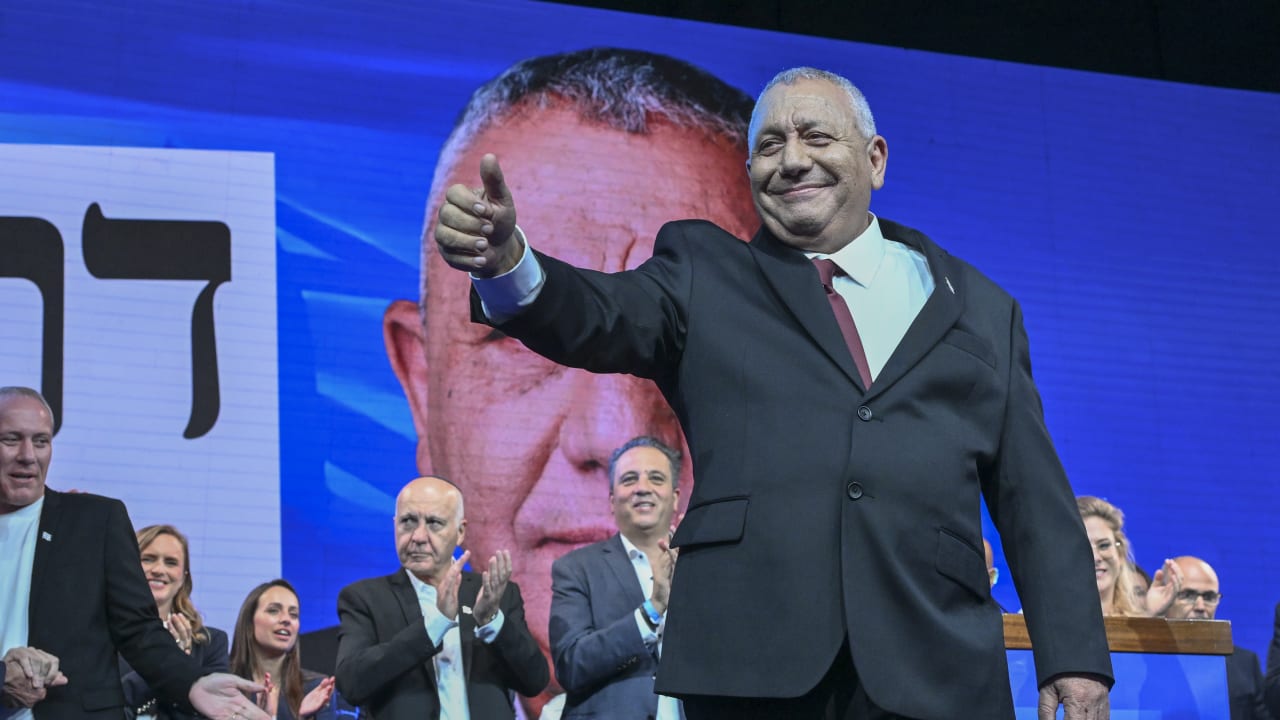
Second, the polls misjudged the balance between the political blocs, one of their most significant errors. In its final poll, Channel 12 projected 56 seats for Gadi Eisenkot’s bloc, compared with 50 for Prime Minister Benjamin Netanyahu’s bloc, while forecasting 14 seats for the Arab parties. The actual results were 53 seats for Netanyahu’s bloc, 48 for Eisenkot’s bloc, and 19 for the Arab parties.
Channel 14’s final poll, conducted under Shlomo Filber’s direction, also failed to capture the overall picture. It projected 62 seats for the right-wing bloc, 44 for the opposition, and just 14 for the Arab parties.
Underestimating the turnout in Arab society
Had the polls anticipated the scale of turnout in Arab society, their projections of the balance between the blocs would have been substantially different. Based on a recalculation of Channel 12’s forecast, Netanyahu’s bloc would have stood at 48 seats and Eisenkot’s bloc at 53, effectively reversing the balance between the two blocs in the actual results.
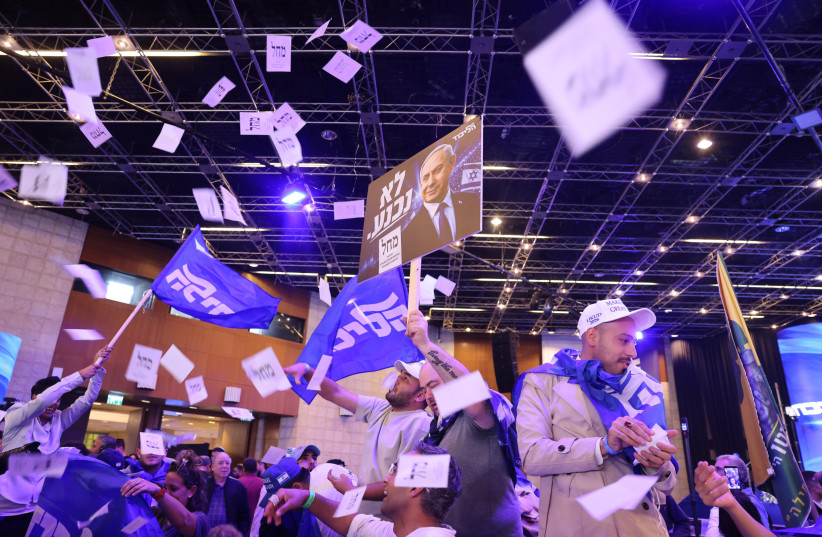
Third, the polls differed considerably in their estimates of Likud’s strength. KAN 11 projected 20 seats for the party, Channel 12 forecast 21, Channel 13 estimated 19, Channel 15 projected 26, and Channel 14 forecast 30. Likud ultimately won 27 seats, making Channel 15 the most accurate in its prediction, while Channel 14’s estimate was also relatively close.
This helps explain the criticism directed at most polling organizations: They underestimated Likud’s strength, even though it ultimately emerged as the largest party. These errors have led many to question the assessments produced by some polling organizations and highlight a possible gap in how they sample the mainstream of Israeli society, including voters on the moderate Right. Pollsters therefore need to reassess their sampling methods and the assumptions underpinning them.
Fourth, there was at least one bright spot: Despite their other errors, most polls correctly anticipated that several smaller parties would fail to cross the electoral threshold. Among them were the Reservists-Economic Party, led by Yoaz Hendel, and People of Israel, led by Ofer Winter. Neither won seats in the Knesset. This was one of the more accurate elements of the polling forecasts.
Understanding the context for polling
In conclusion, polling is about more than sample sizes and statistical methods. It also requires an understanding of Israel’s political history, voting patterns, social and national changes, and the relationship between voter turnout and the balance of political power.
A comparison of Channel 12 and Channel 14 reveals that Channel 14 was further from the actual results in its assessment of the balance between the blocs, even though its forecast of Likud’s strength was relatively accurate.
The question is how polling organizations operating during the same election campaign can arrive at such divergent predictions. The numbers matter, but without understanding the reality behind them, pollsters can miss the entire political picture.
To improve the reliability of their forecasts, polling organizations should reassess their sampling methods, transparently disclose their limitations, and conduct post-election reviews to identify which assumptions proved incorrect and how they can be corrected. Only then will they be able to produce more reliable forecasts in future elections.
The writer is a lecturer and research fellow at the University of South Wales in the United Kingdom. He is the author of Collapse: The Israeli Labor Party, 1992-2024, published in Hebrew by Resling.