
Tourism in Cyprus is entering an accelerated recovery phase, after a period of slowdown caused by the war with Iran. The temporary drop in demand has turned in recent months into a clear recovery trend, led by a rapid return of demand in key markets in Europe and the region.
The strengthening of passenger confidence, alongside the resumption of flight routes and increased capacity by airlines, is reflected in a sharp increase in the flow of tourists to the island and a consistent improvement in bookings for the upcoming summer. In Cyprus, they report a return to stable activity levels, with a clearer demand picture for the peak season.
The Cypriot tourism system demonstrated high resilience throughout the period of uncertainty. Airlines gradually restored schedules, tour operators updated packages, and hotels adjusted prices to remain competitive.
In parallel, a gradual improvement in passengers' sense of security in the months of May and June created a stable foundation for a stronger summer season. The airports in Larnaca and Paphos have returned almost to full activity, and air capacity from Europe is growing. The expansion of the number of seats on flights has become a key factor in the recovery, with Cyprus managing to maintain competitiveness against destinations like Greece and Spain. The result is a gradual and stable recovery – without sharp jumps in demand.
Israel: A close market that responds quickly
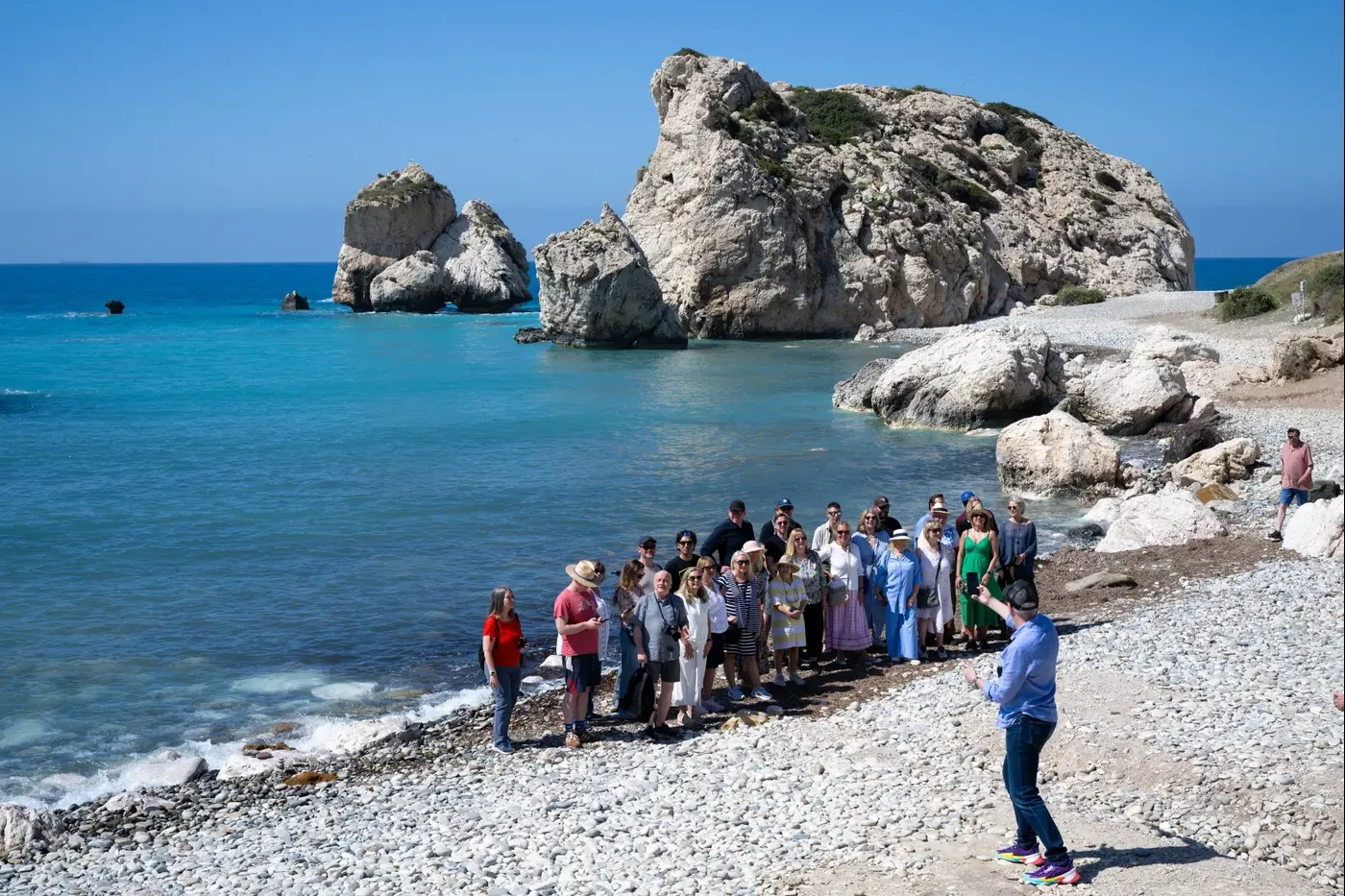
The Israeli market continues to be one of the significant factors in the recovery. The geographical proximity, frequent flights, and familiarity with the destination make Cyprus a preferred choice for Israelis, especially for short vacations. Despite a temporary period of uncertainty, Israeli demand recovered quickly with the resumption of flights, and continues to support a steady stream of tourists to the island.
Poland is also establishing itself as one of the fastest–growing markets in tourism to Cyprus. An increase in disposable income and the expansion of direct and low–cost flights have made the island a particularly accessible destination for families and holiday tourists. Tour operators in Poland report strong demand for holiday packages, with an emphasis on Cyprus as a "safe and affordable" destination. The diversification brought by the Polish market strengthens the stability of Cypriot tourism and reduces dependence on traditional Western European markets.
Nevertheless, the UK remains the largest and most important source market for Cyprus. The British make up the lion's share of inbound tourism, especially in the summer months. Despite some volatility at the beginning of the period, British demand remained relatively stable, mainly thanks to pre–coordinated holiday packages and the return of full air capacity. For Cyprus, the British market constitutes a stable base that allows for accurate seasonal planning.
The Danes also choose to vacation on the island
Romania is also an important market in Cyprus. The Eastern European country continues to establish its status as an emerging market in Cypriot tourism. An increase in incomes and growing familiarity with Mediterranean destinations contribute to a growing demand. The expansion of flights and competitive prices make Cyprus an attractive destination for Romanian tourists, especially for short beach vacations.
Germany constitutes an important premium market for Cyprus, with tourists who spend more and stay longer. The resumption of flights from Frankfurt and Munich contributed to the recovery of demand. In addition, the Germans contribute significantly to the shoulder seasons (spring and autumn), thereby extending the tourism season beyond the summer peak.
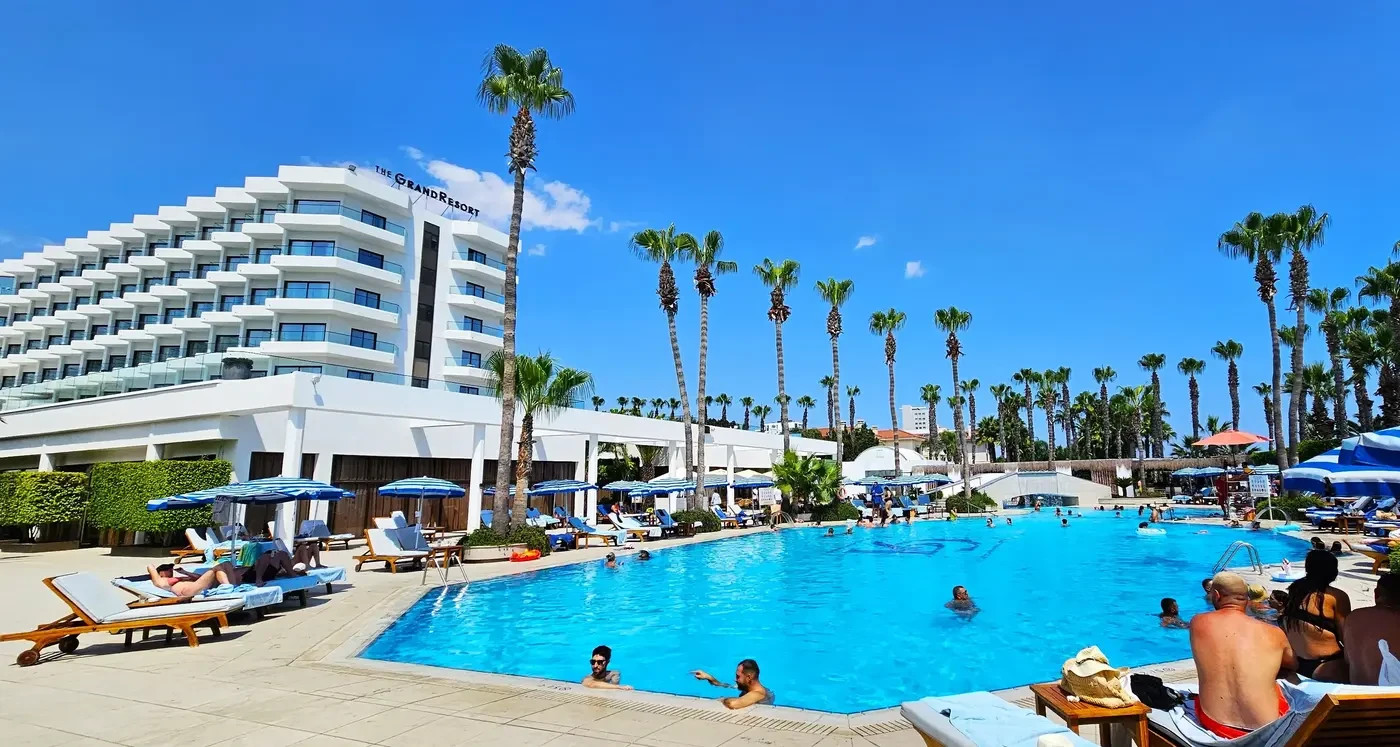
The sixth market – Denmark – is indeed a relatively small market, but is considered high quality with a high contribution to revenue. Danish tourists are characterized by a preference for high–quality hotels and relaxed vacations. The return of demand from the Nordic market constitutes an important indication of the return of confidence in the destination, especially after periods of regional instability.
With the stabilization of the geopolitical situation and the continued strengthening of aviation links, Cyprus is repositioned as a flexible and strong Mediterranean destination, which continues to attract tourists even in periods of uncertainty – and reaches the peak season with particularly positive momentum.