
When people think about the destruction of Jerusalem, their minds usually turn to the breached walls, fierce street battles, and the flames that engulfed the Holy Temple. Yet behind the military drama, another, quieter battle was unfolding - one over one of the city's most vital resources: Water.
During the Second Temple period, Jerusalem was a large and densely populated city that welcomed hundreds of thousands of pilgrims during the Jewish festivals. Despite its importance, it lacked abundant natural water sources capable of meeting the needs of its residents year-round. To overcome this challenge, one of the ancient world's most advanced water systems was built some 2,000 years ago, channeling water from the springs of the Judean Hills into the city.
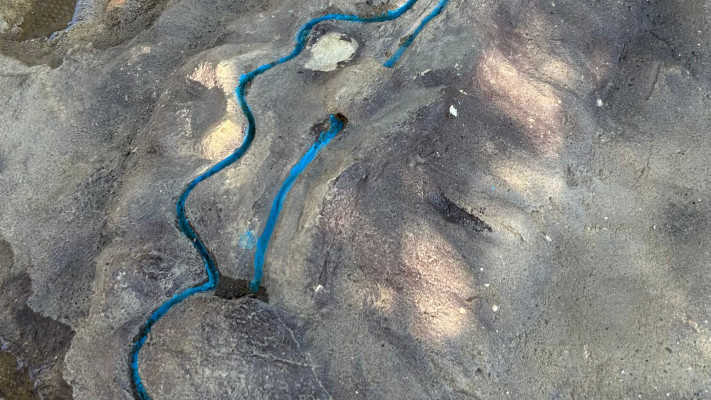
One of the most significant components of this system was the Biyar Aqueduct, located today in Gush Etzion. Carved through solid rock, the aqueduct collected water from local springs and carried it to Solomon's Pools. From there, the Upper and Lower Aqueducts transported the water onward to Jerusalem, supplying homes, the royal palace, and above all, the daily activities of the Holy Temple.
This water system also played a crucial role during the Roman siege. According to Midrash Eichah Rabbah and other historical sources, during the internal Jewish civil war that preceded the destruction of the city, Jewish Zealots damaged the water supply reaching Jerusalem. Combined with the burning of the city's food supplies, the destruction of this critical infrastructure deepened the suffering of those trapped inside the city and weakened Jerusalem's ability to withstand the Roman legions.
At the same time, beneath the city's streets, Jerusalem's drainage tunnels became some of the defenders' last escape routes as the fighting reached its climax. In this way, the city's infrastructure - built to sustain life - also became an integral part of the story of its downfall.
As the Three Weeks and Tisha B'Av approach, the story of Jerusalem's aqueducts offers a different perspective on the city's destruction. Rather than focusing solely on walls and battlefields, it reminds us that a city's fate can depend just as much on the infrastructure that keeps it alive.
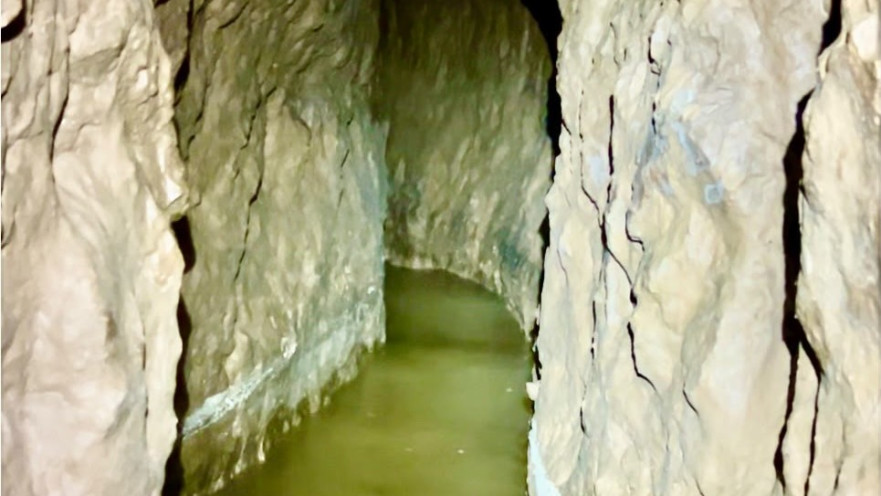
Today, visitors to the Biyar Aqueduct can descend into the rock-hewn tunnel, walk through its flowing waters, and experience firsthand an engineering marvel that supplied water to Jerusalem for centuries. Beyond the unique adventure, the site offers a tangible encounter with one of the most impressive infrastructure projects ever built in the Land of Israel during antiquity - and with a lesser-known chapter in the story of Jerusalem's fall.
The tour begins with a descent of approximately 12 meters (40 feet) below ground. Walking through the narrow tunnel by flashlight, with cool water flowing around your feet, is far more than a refreshing summer activity. It is an immersive journey into the ingenuity of the remarkable engineering project that sustained Jerusalem for generations.