
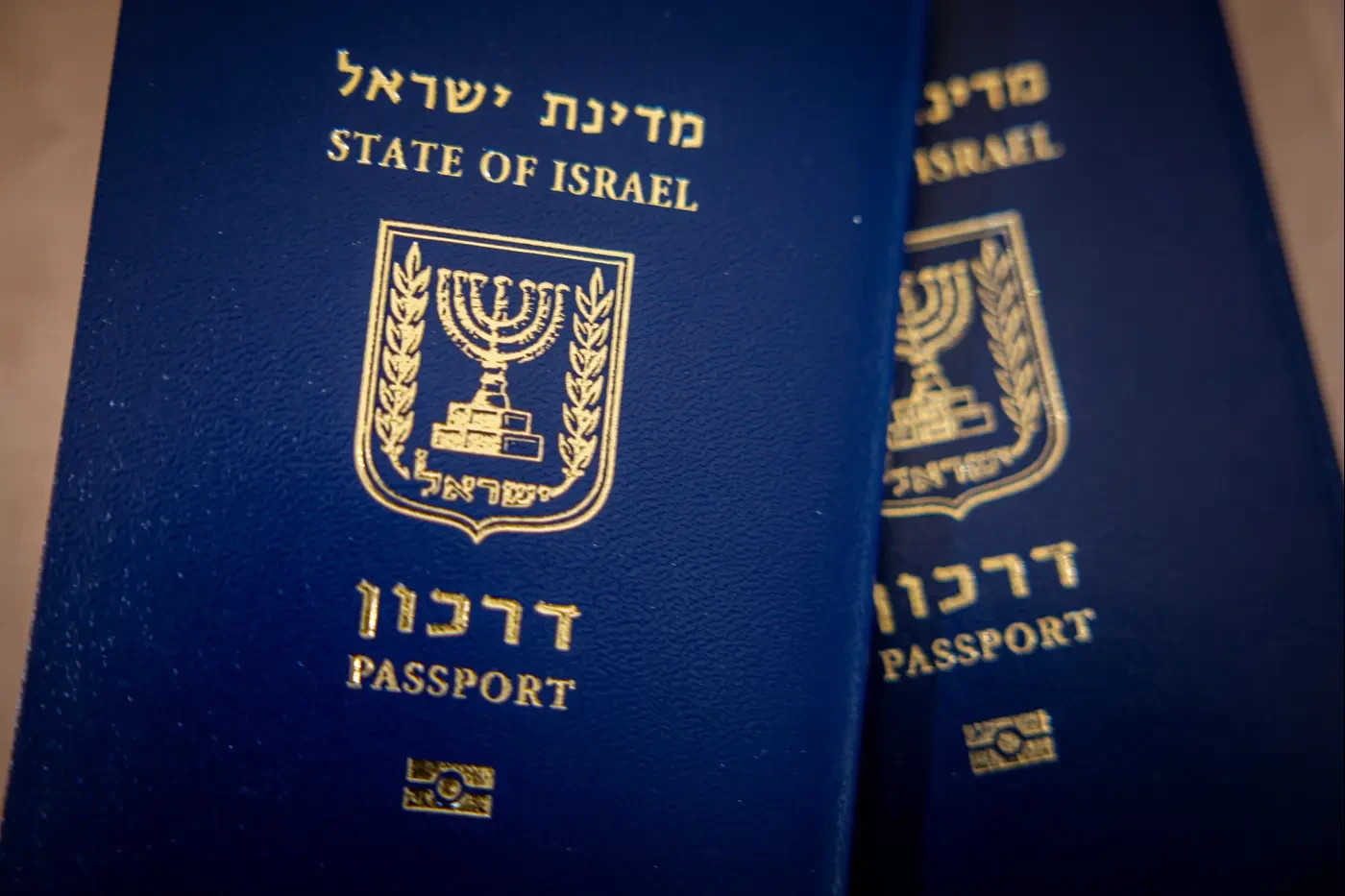
Israel’s passport reached its highest ranking in two decades, placing 18th worldwide in the 2026 Henley Passport Index despite the country’s ongoing security challenges and low ranking in global peace measures.
The Israeli passport now provides visa-free entry, or entry with a visa issued upon arrival, to 166 destinations around the world, according to the Henley & Partners index, which tracks passport strength globally.
The achievement stands out in light of Israel’s security situation. At the same time, Israel ranks 159th out of 163 countries in the Global Peace Index, placing it among the five least peaceful countries in the world.
So how has Israel managed to strengthen its passport?
According to the report’s editors, passport strength is not determined solely by a country’s level of security or peacefulness. In Israel’s case, it is based on a combination of diplomatic capital built over decades, geopolitical influence, economic strength and international trust in its travel documents.
The report defines Israel as one of the world’s two most prominent “statistical outliers,” alongside the United States. In both countries, passport strength is significantly higher than would be expected based on their peace rankings.
Daniel Shmeilin, director of Henley & Partners’ Israeli representation, said: “The 20th edition of the Passport Index demonstrates that passport strength is not measured only by a country’s level of peace. Despite the complex geopolitical reality, Israel has reached its highest ranking since the index was launched 20 years ago. In a world where international mobility continues to expand, passport strength has become one of the important indicators of a country’s standing in the global arena.”
The world’s strongest passports this year
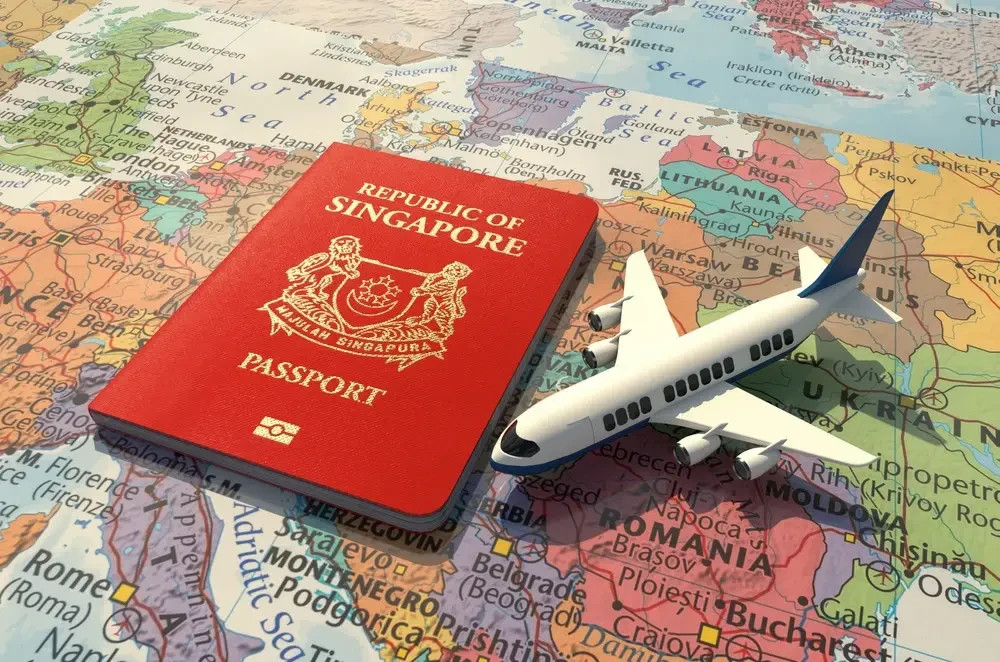
Singapore retained the top spot globally, with access to 192 destinations without a visa or with a visa upon arrival. Japan, South Korea and the United Arab Emirates share second place, with access to 188 destinations.
The 10 strongest passports in the world:
- Singapore, 192 destinations
- Japan, South Korea, United Arab Emirates, 188
- Sweden, 187
- Belgium, Denmark, Finland, France, Germany, Ireland, Italy, Luxembourg, the Netherlands, Norway and Spain, 186
- Austria, Greece, Malta, Portugal and Switzerland, 185
- Hungary, Poland and the UK, 184
- Slovakia, Slovenia, Czech Republic, New Zealand, Australia, Latvia, Canada and Malaysia, 183
- Croatia and Estonia, 182
- Liechtenstein and Lithuania, 181
- Iceland and the United States, 180
Israel ranks 18th, with access to 166 destinations.
The biggest winner: The United Arab Emirates
If one country has reason to celebrate the index’s results, it is the United Arab Emirates. Since the index was launched 20 years ago, the Emirati passport has gained access to no fewer than 153 additional visa-free destinations, the largest improvement ever recorded in the index.
Since the beginning of 2026 alone, the UAE has climbed three places in the ranking and joined Japan and South Korea in second place. According to the report’s editors, the country demonstrates how consistent diplomacy and international cooperation can change the standing of a passport within a relatively short period.
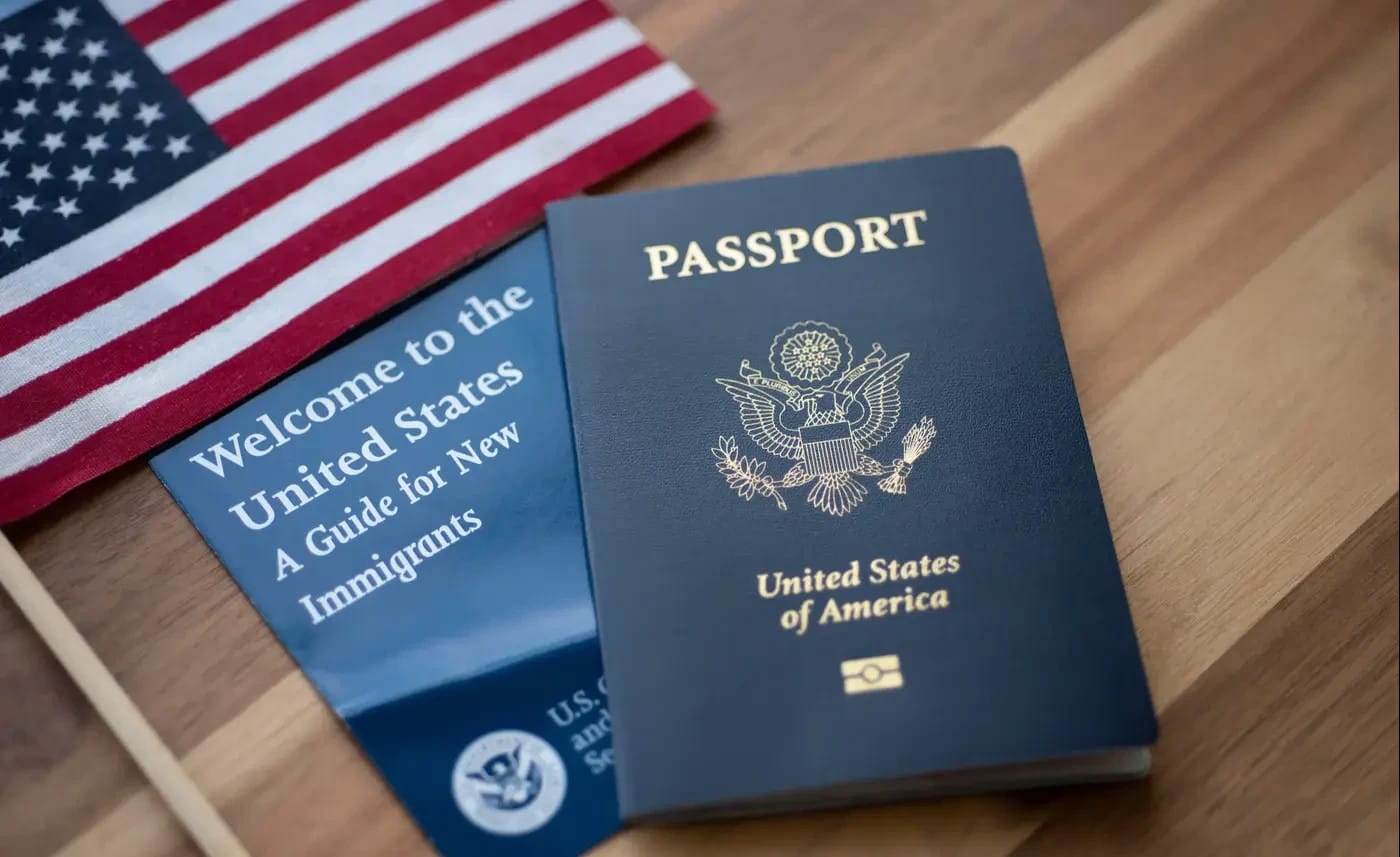
What about the US passport? Two decades ago, the United States led the global passport ranking. Today, it sits only in 10th place, a figure that Henley & Partners said reflects the shifting balance of global power.
The UK has also lost some of its relative strength over the years, although this year it rose to sixth place after securing visa exemptions for China and Malawi.
The world is becoming more accessible, but less peaceful
According to the data, the average passport worldwide now provides access to 108 destinations without a visa, nearly double the 58 destinations available in 2006.
However, the improvement in global mobility is taking place during a period of worsening security conditions. The Global Peace Index indicates that global peacefulness has declined for the 12th consecutive year, with the world experiencing the highest number of interstate conflicts since World War II.
A total of 119 out of the 163 countries examined are now less peaceful than they were in 2008, and 103 countries have been involved in an external conflict during the past five years.
A comparison between the Peace Index and the Passport Index shows that, in most cases, peaceful countries also have stronger passports. However, there are exceptions. Alongside Israel and the US, France, Ukraine, the UAE, South Korea, Brazil, Mexico and Russia hold passports that are significantly stronger than would be expected based on their levels of peacefulness.
The report’s editors reached a clear conclusion: Peace remains an important advantage, but diplomacy, international ties, economic strength and geopolitical influence are no less important, and sometimes even more important, in determining a passport’s power.