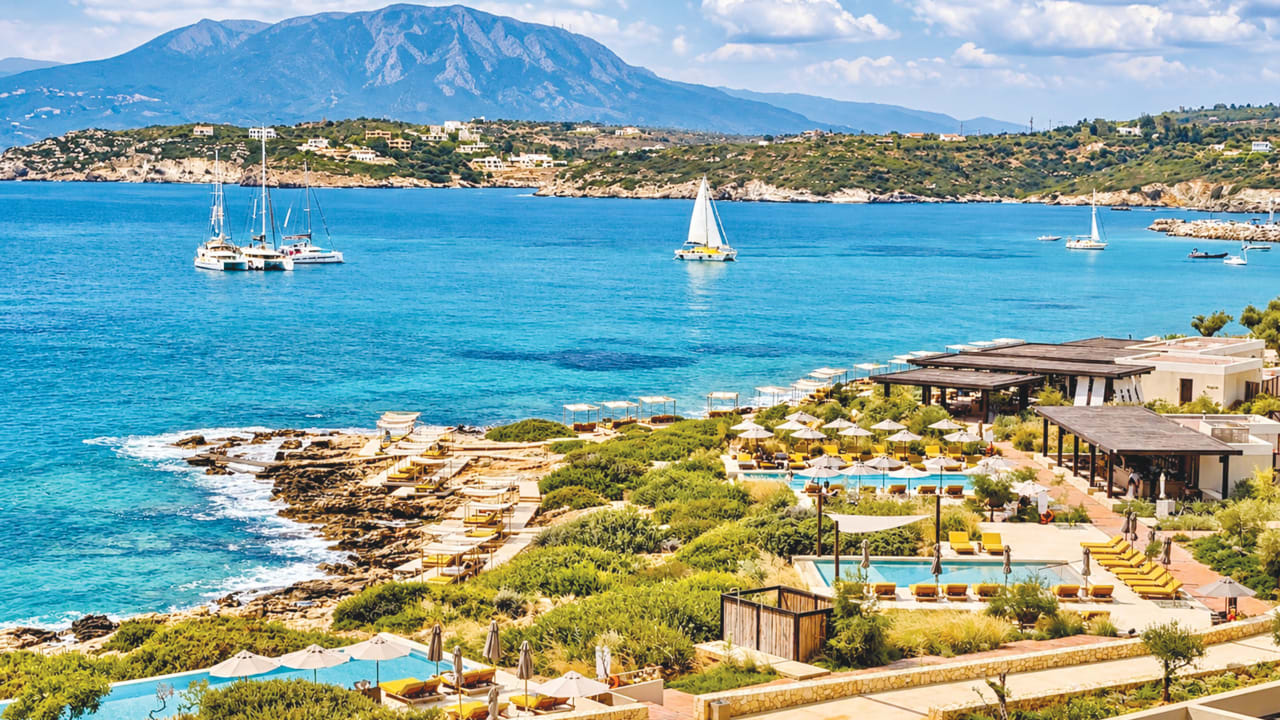
Turquoise waters, endless golden sandy beaches, secluded bays, dramatic mountain landscapes, and picturesque villages where time seems to stand still.
Just under two hours by air from Tel Aviv, Crete, Greece’s largest island, is a Mediterranean paradise, blessed with sunshine, breathtaking scenery, delicious cuisine, and the legendary warmth of Greek hospitality.
From charming Venetian harbors and traditional seaside tavernas to luxurious beachfront resorts, the island offers everything one could dream of for a perfect vacation.
It is little wonder that Israelis have fallen in love with Crete, returning year after year to discover yet another corner of this enchanting island.
For decades, Crete was synonymous with an affordable Mediterranean escape for Israelis: a short flight, an all-inclusive resort, a swimming pool, and a sandy beach.
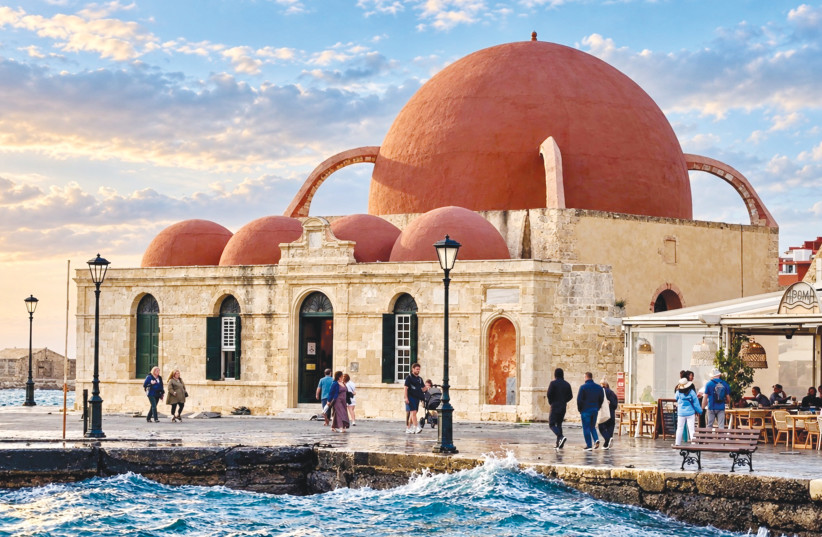
But something remarkable has been happening on Greece’s largest island since COVID. Mass tourism remains an essential part of its success, yet a new Crete is emerging alongside it: more luxurious, sophisticated, and internationally oriented.
Israeli tourism to Crete surges, with record 250,000 visitors expected in 2026
The numbers tell an impressive story. According to regional tourism figures, approximately 180,000 Israelis visited Crete in 2025. In 2026, the island is heading toward a new record, with an estimated quarter of a million Israeli visitors by the end of October, although final official figures have yet to be published.
How did Crete become the darling Israelis apparently can’t resist in 2026?
Dr. Kyriakos Kotsoglou, Tourism Authorized Councilor for the Region of Crete, attributes the island’s growing popularity among Israelis to improved air connectivity, competitive prices and an expanding hospitality industry.
“More direct flights, new luxury resorts, international hotel brands, and private villas have made Crete increasingly attractive to Israeli holidaymakers across different budgets,” Kotsoglou said.
“High domestic vacation costs in Israel have also contributed to this trend. Even Israeli Tourism Minister Haim Katz suggested Greece as an alternative when discussing the high prices of Israeli hotels,” he continued.
Crete’s overall tourism industry is also enjoying strong growth. Kotsoglou expects arrivals to exceed 7.5 million in 2026, including cruise passengers, representing growth of more than 6%.
The momentum is attracting international hotel groups, major investors and private developers, while growing numbers of Israelis are also considering purchasing or building holiday homes on the island.
The expansion of direct flights from Tel Aviv to Heraklion and Chania has reinforced this success. Airlines including Aegean, El Al, Arkia, Israir, and Blue Bird Airways have helped make Crete one of the most accessible Mediterranean destinations for Israeli travelers.
Yet perhaps the most fascinating part of the story is not simply the growing number of visitors, but the transformation of the island’s hospitality landscape.
The conversation is particularly visible in western Crete. In the Chania region, the number of five-star hotels increased from 33 before the pandemic to 51 in 2024. Four-star hotels also expanded, from 78 to 102.
International hospitality brands are becoming key players, increasingly discovering the island. Just 17 kilometers from Chania, overlooking the spectacular waters of Souda Bay, the small coastal village of Marathi has long been a favorite summer retreat for affluent Chania residents.
Here, in a location once associated with private holiday homes rather than international luxury hospitality, stands the recently opened JW Marriott Crete Resort & Spa.
General manager Aris Moustakas revealed a fascinating story to me during my visit. “Local owner Antonis Vasilakis originally dreamed of building his own private summer residence on this extraordinary stretch of coastline,” he said.
“During COVID-19, however, Vasilakis began developing a more ambitious vision: transforming the property into a luxury resort with environmental responsibility at the heart of its concept.”
The result was a remarkable development that opened last summer, featuring 160 rooms, suites, and villas, with private pools. Local stone, earthy materials, native vegetation, and carefully integrated landscaping allow the resort to blend almost seamlessly into its surroundings.
Green roofs, photovoltaic systems, and environmentally conscious design elements reinforce the property’s sustainability ambitions.
It represents a different interpretation of luxury. Quieter, more intimate, and deeply connected to nature. A Marriott luxury brand was selected as a partner to attract upper-market guests.
Israeli visitors may be reminded of Six Senses Shaharut in the Negev. There is no connection between the two projects, but the architectural philosophy feels remarkably similar: rather than competing with the landscape, the hotel allows nature to provide the drama.
Moustakas also shared some interesting insights into the resort’s international clientele. Approximately 15% of guests are Israelis, while Americans represent the leading nationality among visitors. Around one in three guests are members of Marriott Bonvoy, the group’s global loyalty program.
Our own suite provided a memorable introduction to this new level of Cretan luxury. A private swimming pool occupied the balcony, overlooking the resort and the magnificent bay beyond.
But perhaps the greatest indulgence was waking up beneath the blankets and enjoying the breathtaking panorama of the sparkling sea and Cretan coastline without even leaving our bed.
Crete's tourism transformation: From affordable getaways to luxury experiences
The message is clear: Crete is no longer competing solely on price. It is increasingly competing on experience, design, and international luxury standards.
Our journey continued eastward to Rethymno, a historic coastal city situated between Chania and Heraklion. For years, Rethymno was something of Crete’s overlooked middle child. Unlike Chania and Heraklion, it has neither an airport nor a major cruise port.
International visitors often preferred the better-known resort destinations of Elounda or the established tourism centers surrounding the island’s two principal airports. But Rethymno is experiencing its own revival.
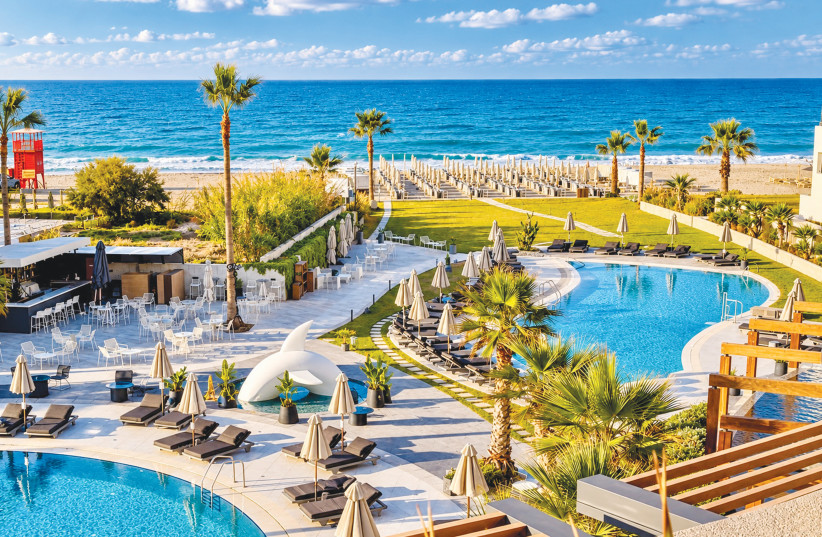
At the beachfront Nautilux Rethymno resort, veteran general manager Michalis Minadakis offered an insightful explanation of why Israelis are increasingly discovering this part of Crete.
According to Minadakis, Israelis and Greeks share a particularly warm connection, strengthened by a sense of common destiny and a natural cultural affinity.
“Israeli visitors appreciate Greek food, hospitality and the welcoming character of the local population.” He explained that Crete is also unusually diverse for an island of its size, offering an extraordinary range of experiences.
“Unlike Santorini or Mykonos, where overtourism can dominate the visitor experience, Crete is large enough to accommodate substantial tourism without every destination feeling overcrowded.”
Minadakis believes that word of mouth has become one of the strongest drivers of Israeli tourism growth. Visitors return home with positive experiences, describe the excellent value for money and recommend Crete to friends and relatives. This creates a powerful cycle of repeat visits and new demand.
He also points to the rapid expansion of private villas and holiday accommodation, which has recently significantly broadened the island’s appeal beyond traditional hotels.
Crete's tourism boom fuels growing investment in vacation homes and private villas
The Island's growing popularity is also stimulating residential investment.
More private villas are being developed, and the expanding Israeli community includes holiday-home owners, property investors and businesspeople who maintain connections with Crete beyond the traditional summer season.
At Nautilux, Israelis account for approximately 12% of guests, according to Minadakis. Opened four years ago, the five-star beachfront property stands out for its distinctive curved architecture, inspired by the spiral form of the nautilus seashell.
Its most appealing advantage is its location: direct access to the sandy beach without a road separating the hotel from the sea.
As Minadakis described it, Nautilux offers an unusual combination of a resort experience within a city, a relatively new phenomenon on the island of Crete.
For visitors seeking a combination of beach relaxation and authentic Cretan urban life, Rethymno offers an increasingly attractive alternative to the island’s more established luxury destinations.
The city enchants visitors with its picturesque Venetian harbor, historic lighthouse, and majestic 16th-century Fortezza Fortress overlooking the charming old town and the sea.
Perhaps Crete’s greatest advantage over other Greek islands is its extraordinary diversity. Smaller, stylish Greek islands have developed powerful international identities around relatively specific tourism experiences.
Crete, by contrast, can offer several completely different holidays in the same destination.
Even younger Israeli travelers have been discovering a different side of Crete. The Israeli-founded Bateleur Festival, held a few weeks ago at the luxurious Elounda Bay Palace, brought together approximately 500 participants for four days of electronic music, beach parties, and wellness experiences.
Combining international DJs with yoga, meditation, sound healing, and ice baths, the festival added another dimension to
Crete expands tourism beyond the traditional summer season
Crete’s increasingly diverse tourism scene.
Traditionally, November marks the end of the resort season across much of Crete. Many beachfront hotels closed until spring, and direct flight options from Israel became considerably more limited.
That pattern is beginning to change. Blue Bird Airways is extending its direct Tel Aviv-Heraklion operations into the autumn and winter seasons, announcing fares advertised from €146.
The company is also promoting short Thursday-to-Saturday city breaks at affordable rates. The initiative aims to reposition Heraklion as a year-round city-break destination rather than simply the gateway to summer resorts.
With its lively pedestrian streets, traditional tavernas, restaurants, cafés, bars, shopping districts, and centrally located hotels, the city offers an appealing alternative to more expensive European weekend destinations.
Meanwhile, the island is preparing for another major transformation.
The new international airport under construction at Kastelli, intended to replace Heraklion’s existing airport, is planned to feature a terminal of approximately 93,000 square meters, a 3.2-kilometer runway and eventual capacity exceeding 15 million passengers annually.
Such infrastructure investments suggest that Crete’s ambitions extend well beyond the current tourism boom.
The island is not abandoning the affordable summer holidays that made it so popular among Israelis. Instead, it is adding new dimensions: international luxury, sophisticated gastronomy, private villas, wellness retreats, cultural experiences, and year-round accessibility.
That may explain why so many Israelis are returning, often discovering a different 2026 Crete from the one they remembered.
The writer is the publisher of Travel Flash Tips.