
An upheaval in Israel's largest retail chain: Uri Watermann, the former CEO of Shufersal, has filed a massive lawsuit totaling NIS 5,799,299 against the company in the Tel Aviv Regional Labour Court.
The lawsuit, filed by attorneys Livian Segal, Lior Reichert, Hadar Kapach, and Ofek Gassman from the law firm "Meitar | Law Offices", uncovers a toxic relationship riddled with severe accusations of a "flagrant breach of binding agreements and depriving, fundamentally unfair conduct by a company toward a senior, loyal, and successful executive."
According to the statement of claim, Watermann, who served in senior executive positions at Shufersal for about seven years – initially as the CEO of the Be chain and later as the CEO of Shufersal – led the company through a significant and challenging period and was highly appreciated by the company for his contribution and achievements. However, with the transfer of control of the chain to the brothers Shlomo and Yossef Amir in 2024, a snowball effect began, which allegedly culminated in cynical exploitation, an act of deception, and the immediate, overnight ousting of Watermann from the company.
In the statement of claim, his attorneys argue that "the facts present a grim picture of cynical exploitation and a deliberate act of deception by the defendant against the plaintiff."
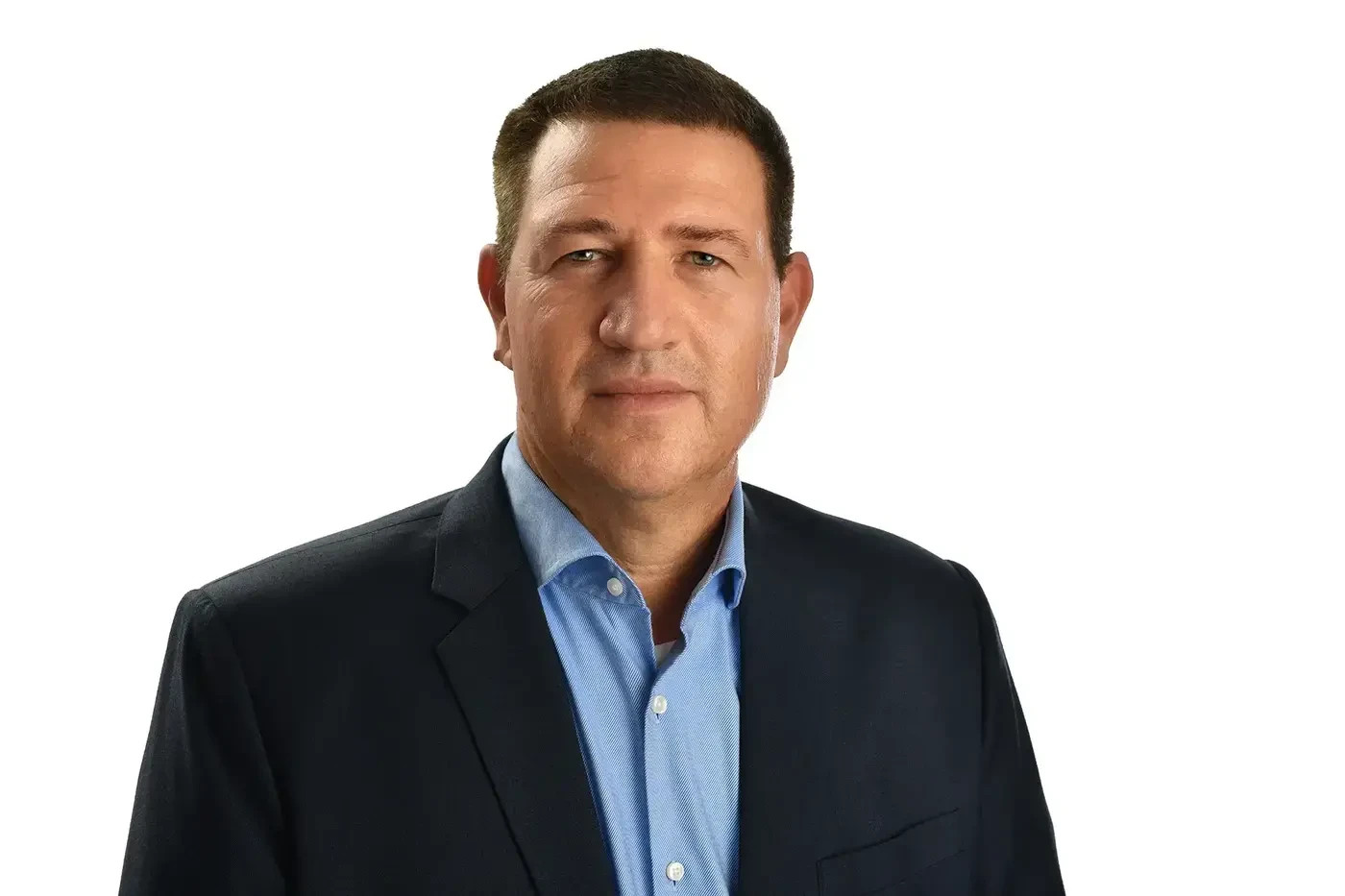
According to the description, in early 2024, after the Amir brothers purchased 24.99% of the company's shares, Watermann was asked to step down from his position immediately to allow the brothers a swift and smooth entry into direct management. Watermann's initial position was actually "to prevent the Amir brothers' takeover of the defendant and to fight the intention to replace him." To convince him to relinquish the CEO position, which represented "the pinnacle of any executive's career" for him, the company offered him an enhanced retirement package.
According to the lawsuit, the parties reached a detailed retirement agreement that included six months of advance notice, six months of an adaptation period, and a special retirement grant of NIS 3.2 million in cash – this being in exchange for Watermann waiving his annual bonus and unvested options. The remuneration committee and the board of directors approved the agreement unanimously, while praising Watermann for having "navigated it through a particularly challenging period, stabilized its management ranks after a significant upheaval it experienced, and led the company to excellent results." The company even presented a clear representation to Watermann that this was a "closed and binding agreement" for which the majority required for approval at the shareholders' meeting had already been secured.
"Simply ousted him sharply and suddenly, overnight"
However, after Watermann fulfilled his part, vacated the CEO chair, transitioned to the role of consultant, and assisted the Amir brothers in entering their roles smoothly (a move that, according to Shlomi Amir, was worth "hundreds of millions" to the company) – the picture changed completely.
According to Watermann, Shufersal "grossly breached all its duties toward him, completely disavowed its commitments and obligations to him, and even abruptly terminated him unlawfully, without a hearing and without advance notice – simply ousted him sharply and suddenly, overnight." He claims that "the company exploited the fact that it had already received everything it desired and extracted the benefit it wanted from the retirement agreement."
The retirement agreement was eventually brought before the shareholders' meeting, but it was rejected. The lawsuit claims that Shufersal was the one that actively and in bad faith thwarted the approval. Although the majority of the shareholders supported the agreement, the Amir brothers classified themselves at the meeting as having a personal interest and as controlling shareholders – a classification defined in the lawsuit as "erroneous, false, unjustified, and entirely lacking any legal basis" – solely so that their votes in favor of the agreement would not be counted and the proposal would fail.
"The purpose of the erroneous classification... was one – creating a technical-formal presentation that would thwart the approval of the retirement terms, thereby enabling the company to evade fulfilling its obligations." The lawsuit claims that even after the rejection by the meeting, the company refused to utilize other legal tools available to it (such as a board approval bypassing the meeting) in order to meet its commitments toward him.
Disconnecting the mobile phone and demanding the return of the vehicle
The peak of this outrageous conduct, according to the civil statement of claim, came shortly thereafter. On September 15, 2024, Watermann received a sudden notice regarding the immediate termination of his employment, without a lawful hearing, and with an advance notice of only 12 days, instead of the six months that was customary at the chain. As if that were not enough, the company "went even further and unilaterally disconnected the plaintiff's personal mobile phone line without prior warning, and demanded that he immediately return the vehicle that served him."
Since the retirement agreement was canceled by the company, Watermann is now suing for the rights due to him by virtue of his original employment agreement, the custom in the chain, and the law. The lawsuit for approximately NIS 5.8 million comprises the denial of full advance notice, the denial of six months of adaptation (which are granted as a permanent practice to senior executives in the chain, including to CEO Ofer Bloch who served for only two months), the denial of the third tranche of options that were supposed to vest, and the denial of the annual bonus for the year 2024.
Regarding the annual bonus, the lawsuit notes that 2024 was a record year for Shufersal with profits of approximately NIS 650 million and a "dramatic improvement in results." Watermann presents data in the statement of claim showing that the Amir brothers themselves received a bonus of NIS 2,937,000 each for the year 2024 (alongside monthly management fees of NIS 250 thousand), and that deputy CEOs in the company received bonuses equivalent to 9–10 monthly salaries. Despite this, the bonus was completely withheld from him.
Shufersal stated that "Shufersal rejects Watermann's claims, and the lawsuit, when received, will be answered in the appropriate courts."