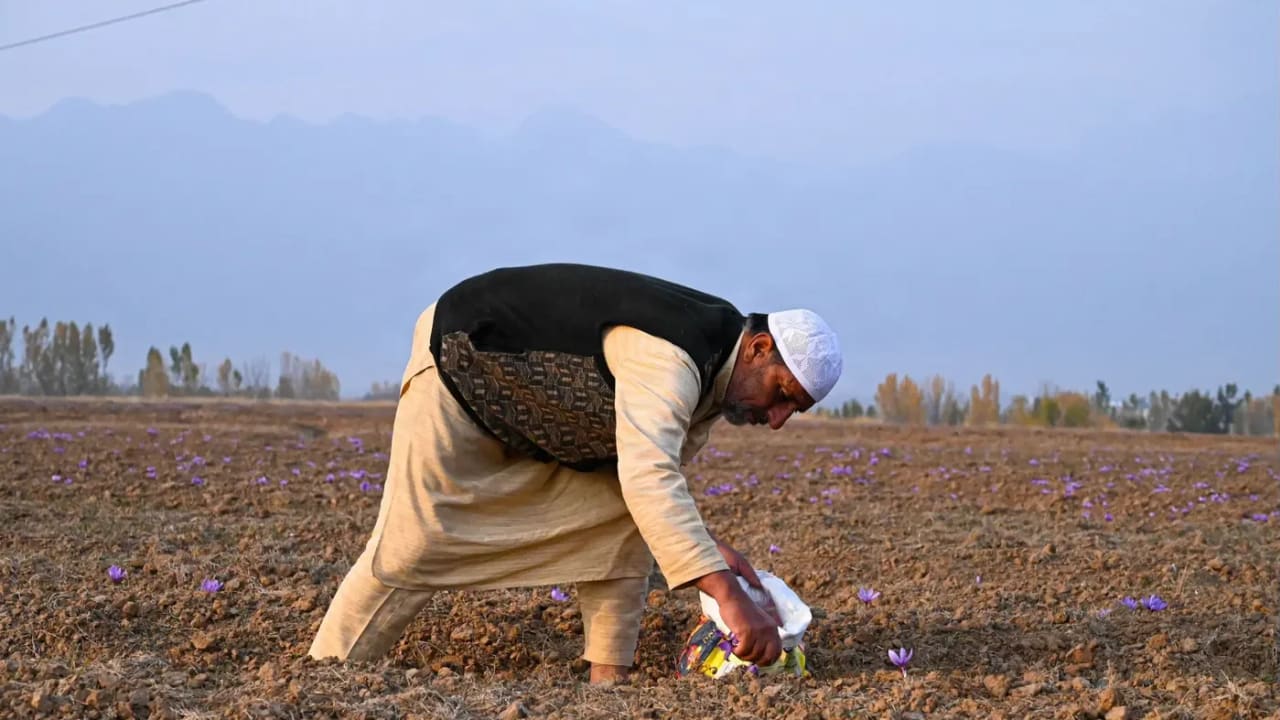
Saffron, rightfully dubbed "red gold" and considered the most expensive spice in the world, has fallen into a deep crisis that threatens its future and global supply chain. The price of a single gram of high-quality saffron from Kashmir can reach four dollars and more, but this year it has become clear that the entire industry is under immense pressure resulting from a deadly combination of climate change, urban development, wars, and severe geopolitical tensions.
At the center of the crisis is Iran, which is responsible for about 90% of global saffron production. Alongside coping with prolonged drought conditions that are damaging local crops there, the security and political situation is exacerbating the state of affairs: The war, together with economic sanctions, is wreaking havoc on supply chains and triggering a wave across international markets.
In Europe, mega-corporations and traders – such as those in Spain, which serves as a major entry point for the spice into the continent – are expressing grave concern over severe disruptions in the import of Iranian saffron, which accounts for a substantial share of their trade.
Alongside the geopolitical threat, other major growing regions such as Kashmir are suffering a sharp drop in production, with a decline from 8 tons in 2010 to 2011 to just 2.6 tons in 2023 to 2024. Local farmers report severe droughts during the flowering seasons, damage by pests such as rats and porcupines to the plant's roots, and the encroachment of construction and urban development on agricultural land.
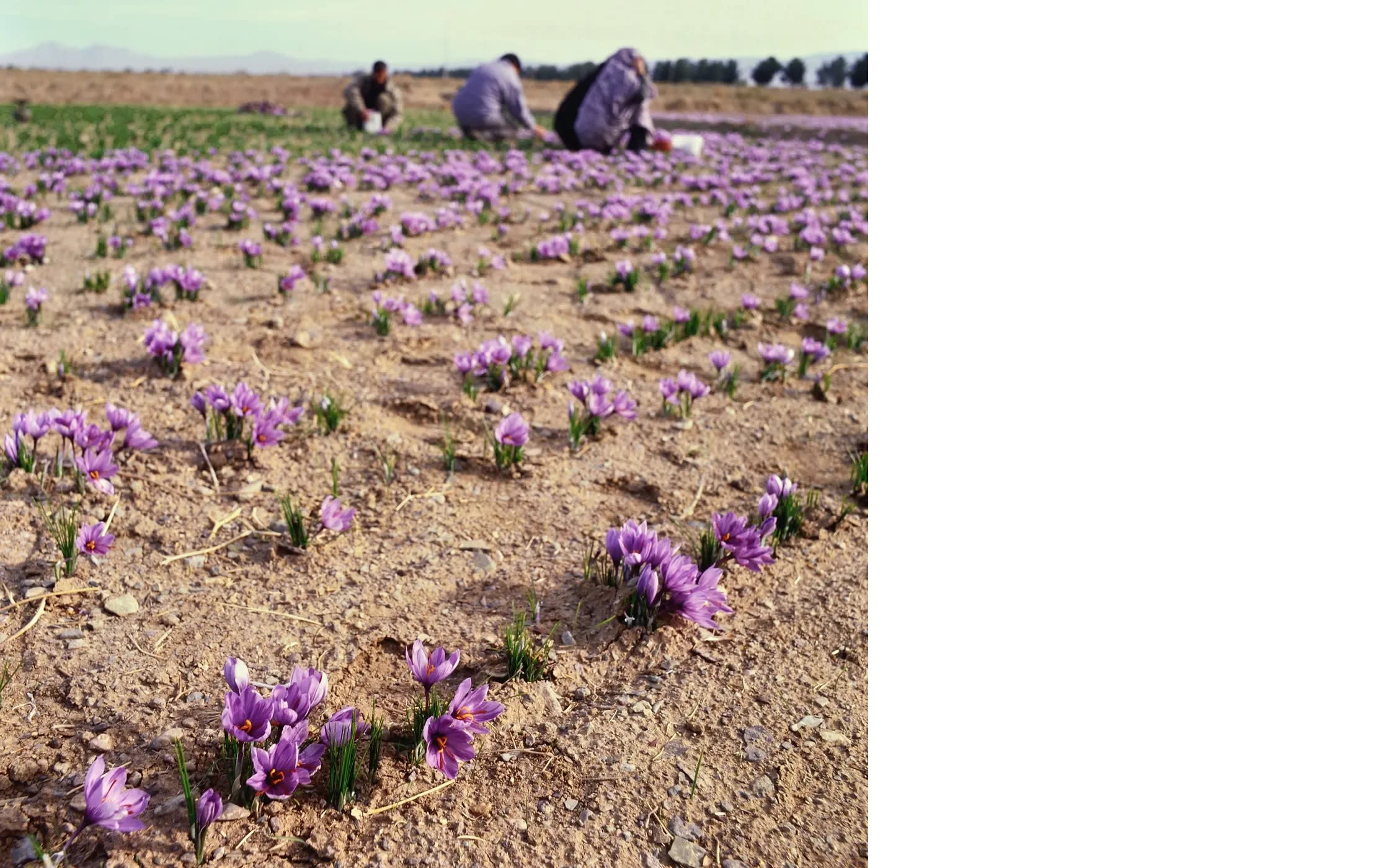
The soaring prices and shortages are creating a wide opening for fraud and forgery phenomena in the markets. Traders are exploiting the situation to import saffron through roundabout ways, repackage it, and sell it under fake luxury labels as pure "Kashmiri saffron," while in practice it is discounted Iranian saffron or counterfeit substitutes that include dangerous food coloring and turmeric.
Regulators and food experts warn that these phenomena weaken consumer trust and severely harm local farmers who watch their livelihood crumble.