
With times still tense in Israel, people are looking for any small escape to take their minds off the situation. For many, that diversion has come in the form of the World Cup. For me, it’s a compelling event because it combines elite sports with emotion, national identity, and extreme scarcity in a way that almost no other event does. It also comes around every four years, which means that it carries a great amount of build-up and anticipation.
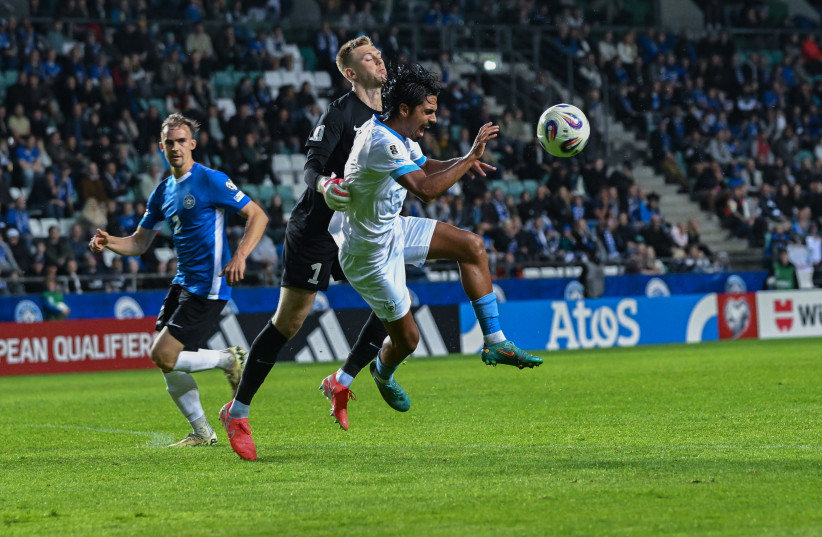
Once you get to the knockout rounds, anything can happen. Watching Paraguay upset Germany was exhilarating. Watching Senegal blow a two-goal lead in the final minutes and eventually lose was heartbreaking. I’ve always been fascinated to see how teams and individual players deal with the immense pressure of the big game. It’s not that the players wake up one morning to find out that they are on the national squad. They have dedicated their whole lives, training on a daily basis to reach this level and get picked to represent their country.
This day-in, day-out approach is mentioned in this week’s Torah reading; it may very well be the reason that Joshua was revealed to succeed Moses as the leader of the Jewish people and bring them into the land of Israel. Until that revelation, I would’ve expected that either one of the sons of Moses or Pinchas would be picked. The sons are an obvious pick, as leadership is often passed from father to son. As for Pinchas, the reason lies in what the Torah says of him: “Pinchas, son of Elazar, son of Aharon the Kohen, turned back My wrath from upon the children of Israel, when he zealously avenged Me among them, so I did not consume the children of Israel in My vengeance. Therefore, say: ‘Behold! I give him My covenant of peace.’”(Numbers, 25:11-12)
Pinchas’s heroism would certainly put him in the running for leadership. Rabbi Shalom Gold z”l asked what quality Joshua possessed that merited being chosen to lead. He said that the juxtaposition of verses reveals the answer. After we read about Joshua being chosen, we immediately reach the section dealing with the daily offering in the Temple, the Tamid. One lamb was offered in the morning, and another in the afternoon. Gold compared this to the day-in, day-out commitment, which is important in leadership. It does not apply to a one-time heroic event.
I think the lessons we can learn from these examples can be applied to our personal lives and, in particular, our finances. These athletes earned their spot – no one gave them anything. They didn’t sit back and wait for the government to take care of them. The financial sacrifice made by many families so that their children can dedicate their childhood to training, in a world that, in many ways, lacks that concept of sacrifice, is heartwarming. We learn that hard work, dedication, and strong will constitute the recipe for athletic success.
Worthwhile achievements demand sacrifice
We live in a world that celebrates instant gratification. Buy now, pay later. Upgrade today. Experience everything immediately. Yet, almost every worthwhile achievement in life demands the opposite. Whether it’s building a successful career, raising a family, or improving your health, meaningful accomplishments require a willingness to sacrifice something today for something better tomorrow.
Financial security is no different. Many people mistakenly believe that wealth is the product of a high salary, a lucky investment, or perfect timing in the market. While those factors can certainly help, they are rarely the determining factor. More often than not, lasting financial security is built through a simple process repeated consistently over many years.
That process requires sacrifice. It may mean driving the same car for a few extra years instead of buying a new one. It may mean eating at home more often, postponing a dream vacation, or investing a portion of every paycheck before spending it on discretionary purchases. None of these decisions are particularly glamorous. In fact, they often feel uncomfortable in the moment. But each small sacrifice becomes another brick in the foundation of future financial independence.
As I wrote a few weeks ago, the Israelites did not enter the Land of Israel and immediately enjoy its bounty. They had to plant, cultivate, wait, and trust that the harvest would eventually come.
The beauty of investing is that it rewards patience. Thanks to the power of compounding, today’s seemingly insignificant sacrifices can produce extraordinary results over decades. Every dollar saved today can grow, and over time, what once appeared to be modest decisions can transform into meaningful wealth.
Financial freedom is not about depriving yourself forever. It is about making intentional choices today so that tomorrow offers more options, less stress, and greater peace of mind. Temporary sacrifice creates permanent flexibility.
The process is not always exciting, and it certainly isn’t quick. But like so many of life’s greatest blessings, those who faithfully follow the process often discover that the destination was worth every step.
The information contained in this article reflects the opinion of the author and not necessarily the opinion of Portfolio Resources Group, Inc. or its affiliates.
Aaron Katsman is the author of the book Retirement GPS: How to Navigate Your Way to A Secure Financial Future with Global Investing (McGraw-Hill), and is a licensed financial professional both in the United States and Israel, and helps people who open investment accounts in the United States. Securities are offered through Portfolio Resources Group, Inc. (www.prginc.net). Member FINRA, SIPC, MSRB, FSI. For more information, call (02) 624-0995, visit www.aaronkatsman.com, or email aaron@lighthousecapital.co.il.