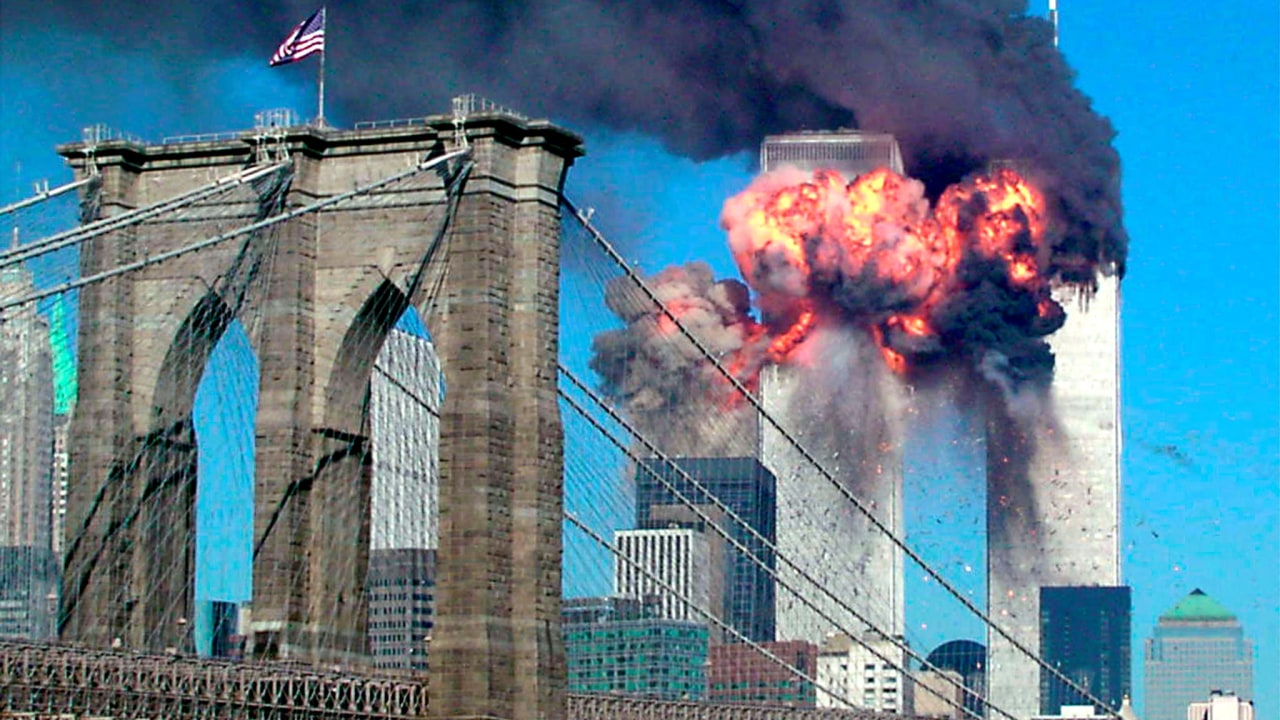
Antisemitic conspiracy theorists utilized the lead-up to the 25th anniversary of 9/11 to disseminate a broader web of unrelated libels targeting Jewish people, according to a study released by the Antisemitism Research Center of the Combat Antisemitism Movement (CAM).
Analysts at the ARC examined 4,360 unique posts gathered from the social media platform X/Twitter between August 28 and September 4 using four keyword scans related to the 25th anniversary of the terror attacks in the United States.
The evaluation revealed that 2,587 posts, representing 59.3% of the total review sample, simultaneously advanced antisemitic conspiracy theories while referencing the September 11, 2001, terror attacks.
The analysis highlighted that nearly one-in-five of the flagged posts fused 9/11 allegations with at least one distinct antisemitic conspiracy theory unrelated to the attacks. Out of the total flagged content, 491 posts integrated unrelated claims.
The most prevalent secondary narrative involved assertions concerning a Jeffrey Epstein and Ghislaine Maxwell blackmail network, which surfaced in 256 posts. Additional content invoked the John F. Kennedy assassination in 98 posts, followed by October 7 and “Hannibal Directive” claims in 83 posts, and the assassination of Charlie Kirk in 79 posts.

Other evaluated posts incorporated references to the USS Liberty incident [a 1967 attack by Israel on an unarmed US technical research ship, after a warning was sent, but it was not received], the COVID-19 pandemic, the war in Ukraine, and antisemitic terrorist incidents in Bondi Beach, Mumbai, and Pahalgam. Researchers also noted instances invoking the Medieval “blood libel” accusing Jews of ritual murder.
No longer spreading isolated falsehood
“The 9/11 libel is no longer spreading as an isolated falsehood that can be debunked on its own terms,” ARC Research Associate Oliver Marks said. “It works as a gateway. A user drawn in by 9/11 content is, in one post in five, handed a second conspiracy theory in the same breath, centuries-old libels repackaged for a modern feed.”
The findings illustrate how individuals generating extremist content can rapidly incorporate contemporary events into established conspiratorial frameworks.
CAM called on platform administrators at X to enforce hateful conduct policies against the material and urged researchers, educators, and policymakers to address the wider conspiracy networks sustaining the falsehoods.