
We all grew up on the same recommendation: Eat more fruits and vegetables. It appears in the guidelines of health organizations around the world and is considered one of the fundamental principles of proper nutrition. But a new study suggests that the story is more complex. It turns out that not only quantity matters, but also the choice itself. There are fruits and vegetables that may offer the heart significantly more protection than others, thanks to natural compounds called flavanols.
The study, published in the journal Food & Function, found that most people do not reach the daily intake of flavanols considered beneficial to heart health, even when they ostensibly adhere to the accepted recommendations for fruit and vegetable consumption.
<br>What even are flavanols?
Flavanols are natural compounds from the polyphenol family found in plant-based foods. They are found in fruits, vegetables, legumes, and also in beverages like green tea. In recent years, they have attracted much interest in the research world due to their activity as antioxidants and their possible effect on blood vessels, blood pressure, and heart health.
According to the researchers, consumption of about 500 milligrams of flavanols a day may reduce the risk of mortality from cardiovascular diseases by up to 27 percent.
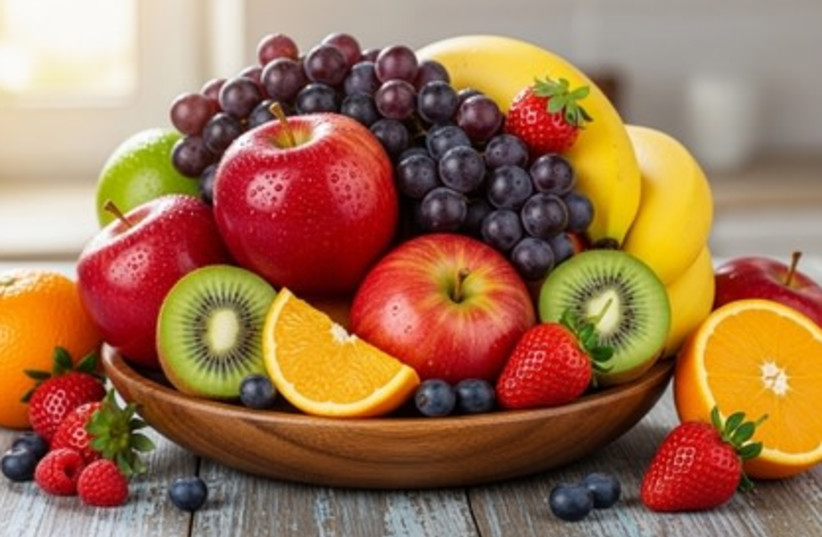
It is not enough to eat a lot, you need to know what
The study was based on data from about 30 thousand participants from the United States and the United Kingdom. The researchers sought to examine whether a person who adheres to the official recommendations for fruit and vegetable consumption naturally reaches the desired amount of flavanols. The answer was negative.
Even people who followed the accepted dietary guidelines failed in most cases to reach an intake of 500 milligrams a day. The implication is that not only the number of servings matters, but also which foods compose them.
The choice is more important than you thought
According to the researchers, many assume that any fruit or vegetable will contribute equally to health, but in practice there are significant differences in flavanol concentration between different foods.
Therefore, a person who eats the right variety of fruits and vegetables may consume much more of the beneficial compounds compared to a person who eats the same amount but chooses other foods.
The conclusion is not that certain fruits should be given up, but that it is advisable to enrich the menu with foods known to have a high flavanol content.
The 10 foods with the most flavanols
According to the data presented by the researchers and additional studies, among the richest sources of flavanols are:
- Plums (500 grams): About 450 milligrams of flavanols
- Cranberries (250 grams): About 300 milligrams of flavanols
- Blackberries (200 grams): About 250 milligrams of flavanols
- Green tea (one cup): About 200 milligrams of flavanols
- Fava beans (80 grams): About 140 milligrams of flavanols
- Cherries (400 grams): About 130 milligrams of flavanols
- Apples with the peel (one apple): About 110 milligrams of flavanols
- Strawberries (200 grams): About 90 milligrams of flavanols
- Blueberries (150 grams): About 80 milligrams of flavanols
- Pinto beans (40 grams): About 70 milligrams of flavanols
Thus, for example, one cup of green tea may provide about 200 milligrams of flavanols, while a medium apple with the peel provides about 110 milligrams. Blackberries and cranberries are also considered particularly rich sources.
This is not just another "superfood"
The experts emphasize that there is no need to make one of these foods the center of the menu or to chase after a new "superfood."
The right approach is to regularly integrate foods rich in flavanols into a varied and balanced diet. Those who like berries can add them to breakfast a few times a week, and those who used to drink sweetened beverages can replace some of them with a cup of green tea or black tea.
Small habits, when maintained over time, may be much more effective than extreme changes that do not last. The study may spark a discussion on whether the existing guidelines for fruit and vegetable consumption should also address the quality of the choice and not just the quantity.
However, the researchers recall that the central problem is still simpler: Many people do not reach the recommended amount of fruits and vegetables at all. Before focusing on flavanols, it is important first to increase the consumption of plant-based food in general.
The message emerging from the study is not that there are "good" fruits and "bad" fruits, but that the composition of the menu is no less important than its volume. A varied diet that includes berries, apples with the peel, green tea, legumes, and other fruits rich in flavanols may provide an additional layer of protection for heart health.
Ultimately, health does not depend on a single food but on an entire eating pattern. But if you are already standing in front of the fruit shelf at the supermarket, it is possible that the choice you make today will be more significant than you thought.