Cigarettes are still too easy to get in Israel, a new European report released on Wednesday found.
Israel ranked 10th out of 37 countries in the 2025 Tobacco Control Scale, a new European report found, which shows progress in anti-smoking policy.
However, the report also warns that tobacco and nicotine products are becoming more affordable despite recent tax hikes, a trend that could particularly affect teenagers and young adults, who are considered especially sensitive to price changes.
Israel improved its standing in the international anti-smoking index, but the report found that one of the most effective tools for reducing smoking, higher prices, has weakened.
The 2025 Tobacco Control Scale awarded Israel 54 out of 100 points, placing it alongside Spain, Denmark, and Iceland.

However, researchers warned that tax increases introduced in recent years have not kept cigarette prices high enough relative to inflation and purchasing power to maintain their intended public health impact.
The report, published by the Smoke Free Partnership, evaluates tobacco control policies across Europe. Countries are measured on cigarette pricing and taxation, smoking bans in public places, restrictions on advertising and marketing, health warnings on packaging, smoking cessation programs, efforts to limit tobacco industry influence, age restrictions, and measures to combat illegal trade.
Report: Israel in upper tier
Israel ranked below the top-performing countries, Ireland, the United Kingdom, the Netherlands, France, Norway, Finland, Belgium, Hungary, and Slovenia, but remained in the upper tier overall.
Pricing remains one of the most heavily weighted categories in the index, accounting for up to 30 points of the report’s 100. Researchers stressed that raising tobacco prices through taxation remains one of the most effective ways to reduce smoking rates, particularly among young people. According to the report, the issue is not only the shelf price of cigarettes, but also how affordable they are relative to wages and overall purchasing power in each country.
In that category, Israel lost ground. The report awarded Israel just 11 points for pricing policy, five fewer than in the previous index. According to the findings, recent tax increases, including the 2024 order raising taxes on cigarettes, rolling tobacco, heated tobacco products, and e-cigarettes, failed to fully preserve the intended deterrent effect because prices did not rise fast enough compared to broader increases in living costs and consumer purchasing power.
Israel’s broader performance presented a mixed picture. The country received 8 out of 10 points for smoking cessation support, reflecting relatively extensive assistance programs compared to many European countries. It scored 15 out of 22 points for smoking bans in public places and 11 out of 13 points for restrictions on tobacco advertising and marketing.
However, Israel received no points for raising the legal purchasing age above 18 and none for efforts to combat illegal tobacco trade through international protocols and advanced monitoring systems.
Israel to require more graphic health warnings
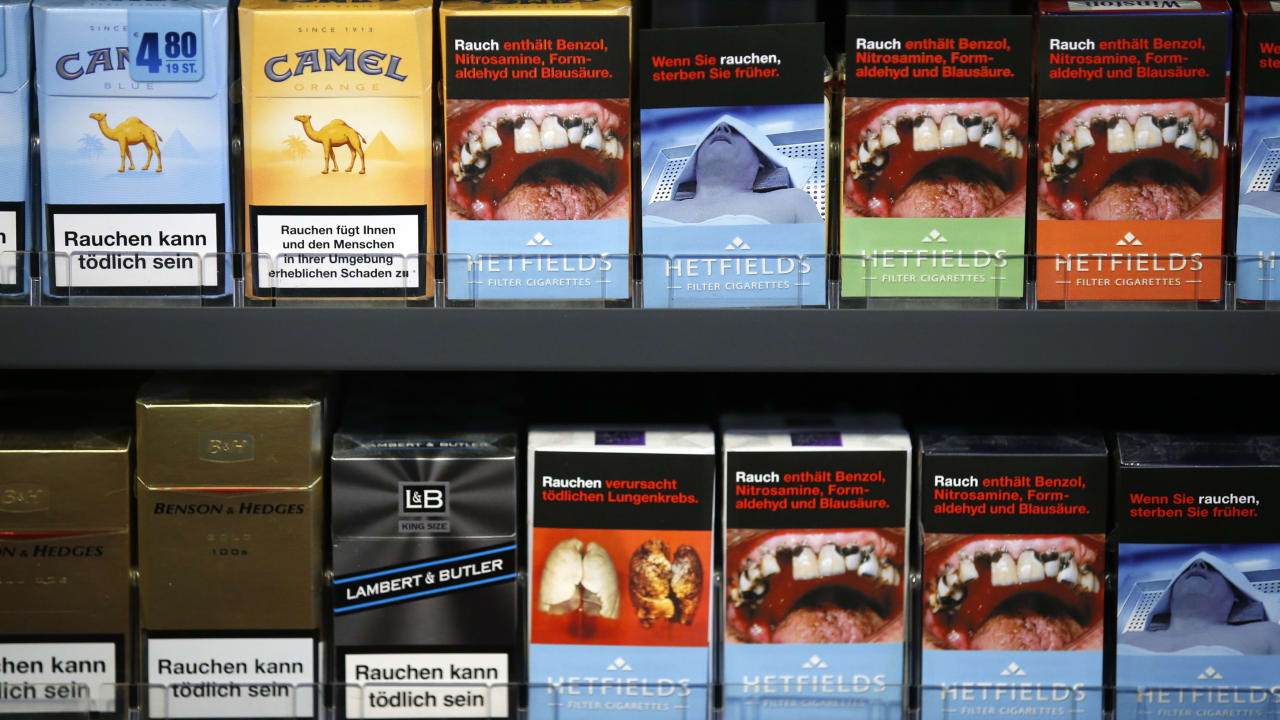
One of the report’s more positive findings concerned regulations scheduled to take effect next year. Rules signed on June 29, 2025, and set to take effect on August 2, 2026, will require graphic health warnings covering 75% of the main surfaces of all tobacco and nicotine packaging.
The report also noted that heated tobacco products are already classified in Israel as tobacco products and, since 2020, have been subject to plain packaging requirements and text health warnings.
The findings reflect a broader European trend. For the first time, more countries lost points in the index than gained them. The report attributed much of the decline to the erosion of tobacco prices amid inflation, as well as regulatory gaps involving newer smoking products, particularly heated tobacco products.
Countries that failed to regulate heated tobacco products in the same way as cigarettes, including restrictions on public smoking and advertising, saw sharper declines in their rankings. Romania, Italy, and the Czech Republic were cited as examples.
Ireland topped the rankings with 80 out of 100 points, followed by the United Kingdom with 78, the Netherlands with 76, and France with 73.
Ireland’s strong performance was attributed to a comprehensive policy approach that combines high cigarette prices, broad public smoking bans, strict advertising restrictions, and tight regulation of heated tobacco products.
Bosnia and Herzegovina ranked last with 20 points, while Switzerland received just 33.