
For the first time, English-speaking adults from around the world will spend up to 10 months living and volunteering in Gaza Envelope communities through a new initiative launched by ELUL and Homeward, supporting schools and educational programs as the region continues to recover from the October 7 attacks.
The initiative is part of the Elul's organization "Now is the Time – A Service Year for Adults" program, known as Shnat Sherut 50 Plus, a program inspired by Israel's traditional gap year experience and tailored for adults. Launched in the aftermath of October 7, the initiative was originally created for Israelis aged 50 and above who chose to dedicate a year of service to communities rebuilding in the wake of the war.

This week, the initiative received a President's Award recognizing its contribution to strengthening social resilience in Israel and its demonstration of civic responsibility during a time of national crisis.
Beginning this October, the program, in partnership with Homeward, an organization focused on strengthening education and community life in Israel's border regions, will launch a pilot adult gap year program designed specifically for Diaspora participants. English-speaking adults from abroad will spend eight to ten months living in Gaza Envelope communities, where they will work alongside local educators and community leaders to strengthen English-language education in schools, youth programs, and community centers. In addition to teaching, they will become part of community life while helping students build confidence using English in everyday settings.
The initiative also attracted Israelis living abroad who chose to return home and contribute to the country's recovery. Among them are Karin Gavish and her husband, who left Boston after 23 years to return to Israel and join the program.
Like many Jews around the world, they watched the events of October 7 unfold from afar and felt a growing desire to do something meaningful.
"We wanted to do what we could," Gavish says.
Several months later, the couple found themselves living in Kfar Aza, one of the communities hardest hit during the October 7 attacks. What began as a desire to help soon became something more meaningful: a chance to become part of a community rebuilding itself while helping shape the future of its children.
Gavish volunteers at a local elementary school and has become deeply involved in community life. She has helped organize walking groups, participated in programs for older residents, and taken part in community events throughout the region.
"The people are incredibly appreciative," she says. "You feel that what you're doing matters."
Joan-E Rapine, another participant who returned to Israel after years in the United States, describes the initiative as "a gap year at 18, only with gray hair." Like traditional Shnat Sherut participants, the volunteers live, learn, and grow together, forming close bonds throughout the year. For Rapine, the most meaningful part of the experience is becoming part of the community she came to serve, a place that nearly a year later has become her home.
Now the program is entering its next phase.
As communities across the Gaza Envelope continue rebuilding, local leaders and organizations such as Homeward increasingly view education as a cornerstone of long-term recovery. The challenge is no longer only restoring classrooms or reopening schools but creating opportunities that encourage families to return and build their futures in the region.
That thinking helped shape the program's focus on English-language education, an area that Homeward has identified as critical to expanding educational opportunities for young people in Israel's geographic periphery, where access to quality enrichment programs and regular interaction with native English speakers is often limited.
By bringing experienced English-speaking adults into schools and community programs, the initiative aims to help students build confidence using English in real-world settings while exposing them to different cultures and perspectives and strengthening connections with Jewish communities around the world.
Guy Vardi, Executive Director of ELUL, said: "There's a real opportunity here to strengthen English-language education in communities that are rebuilding and looking toward the future. What excites us most is that this isn't a one-time project. We hope to create a framework that will bring people from abroad to these communities year after year, allowing them to contribute their skills while becoming an integral part of community life."
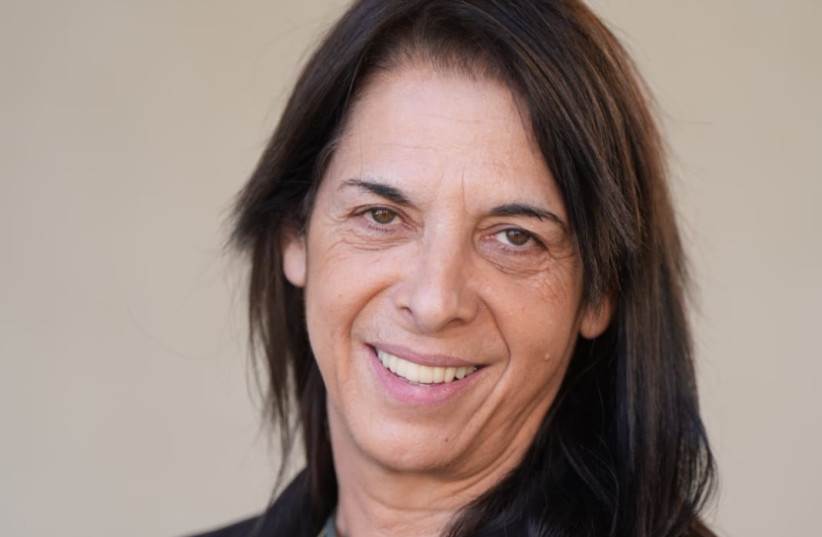
"People here have been through so much," says Gavish. "If you can contribute something meaningful, even in a small way, it makes a difference."
"October 7 reminded many Jews around the world how deeply connected they are to Israel and its communities," said Sigal Moran, CEO of Homeward. "This program offers a way to turn that connection into action by becoming part of communities that are rebuilding after the war. At Homeward, we believe that education builds community, and community builds education. Strengthening educational systems that foster community resilience in the Gaza Envelope and the Galilee is one of the most important ways we can help these regions recover, grow, and bring families back home."