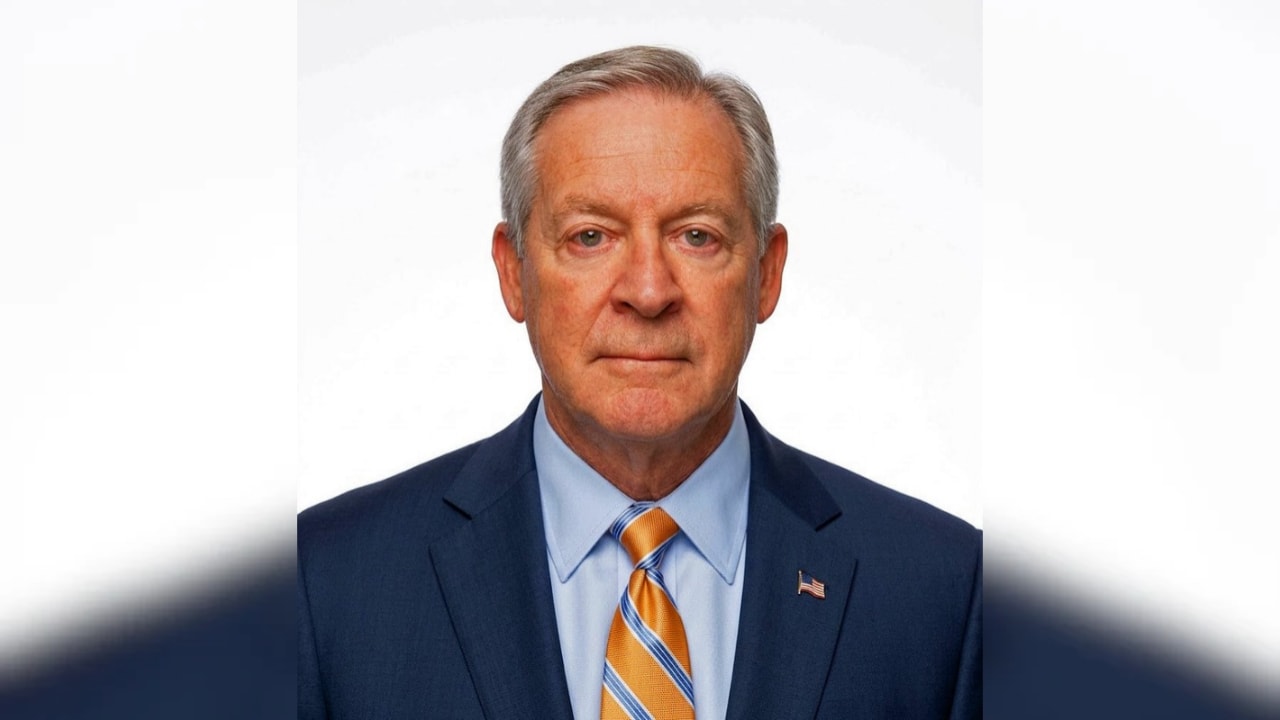
The Kurdistan Region of northern Iraq sits at the crossroads of the Middle East. It borders Turkey, Iran, and Syria. This puts it in a strategic position and has also made it a target for its neighbors. Rick Francona, a retired US Air Force intelligence officer, spoke to The Jerusalem Post about the Kurds and the challenges ahead in the Middle East. “The Iraqi Kurds are the only ones with any hope of maintaining their autonomy,” he said. “There is no good way forward for anyone in the region as long as the IRGC is running Iran.”
Iran has been targeting the autonomous Kurdistan Region of northern Iraq with missile and drone attacks. One reason for this approach is that Kurdish Iranian opposition groups have long had a presence in the Kurdistan Region of northern Iraq because Kurds from Iran have fled there over the years.
The Kurdistan Regional Government (KRG) also has other challenges. It has to work on relations with Baghdad to secure its budget. It lacks air defenses, partly because Baghdad has not supplied the region with them. Iran has carried out more than 1,0000 drone and missile attacks on the Kurdistan region since February 2026, when the US and Israel began airstrikes on Iran.
Francona held NSA, CIA, DIA assignments
Francona has held assignments at the National Security Agency (NSA), Central Intelligence Agency (CIA), and Defense Intelligence Agency (DIA) and knows the region deeply. He spoke to the Post about what may come next for the Kurdistan region and also the broader region around it. With decades of experience serving in the Middle East, including postings in Syria and Iraq and work with the Kurds in northern Iraq, he knows the many challenges ahead.
“The KRG, unfortunately, is a passive participant in the hostilities in the region. As long as the Iranian Kurds maintain a presence in the KRG, they will be targets for the IRGC (Islamic Revolutionary Guard Corps). I don’t see the Iraqi Kurds not providing a safe haven for their Iranian counterparts,” Francona says.
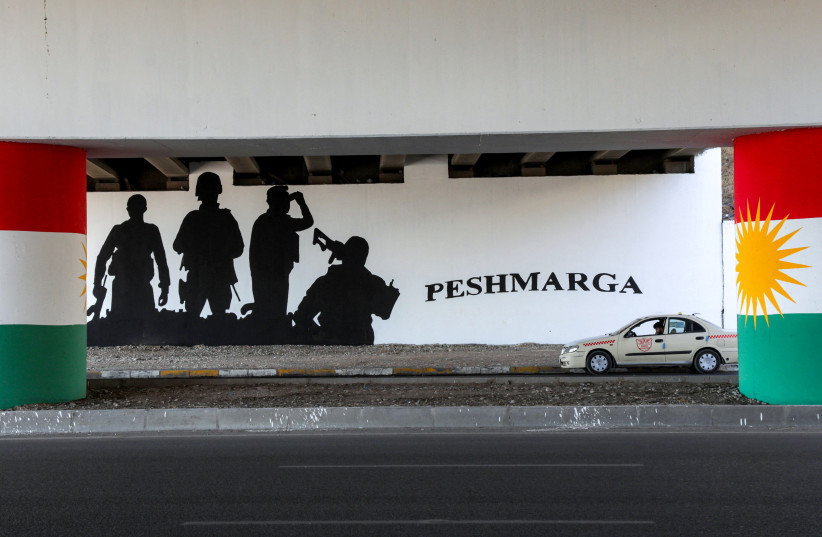
“When the next round of US combat operations begins, the KRG has a decision to make – ask the Iranian Kurdish groups to sit it out and not give the IRGC a reason to launch missiles or drones against the camps and facilities used by these groups, or encourage and support cross-border operations against the IRGC. If the decision is the latter, there is a role for the United States intelligence services to support these operations with targeting information. I would hope that is already happening.”
There are around six different Kurdish Iranian opposition groups. They formed a loose coalition beginning in late 2025. They tried to formalize this in the first two months of 2026, on the eve of the conflict. However, these groups have very different political outlooks, which lead to internal arguments. At the same time, they face attacks by Iran and pressure from Baghdad to leave Iraq. The KRG is caught in the middle. For instance, back in March 2026, reports said that the US was arming the Kurdish Iranian groups. This increased Tehran’s desire to preempt a Kurdish uprising.
Francona a former CNN, NBC military analyst
Francona, who after retirement was a military analyst for NBC News and CNN, looks back at the 1990s when the US was aiding Kurds in northern Iraq. The Kurds had suffered genocide at the hands of the Saddam Hussein regime. In the 1990s, they began to create the autonomy that led to the KRG.
“I think we actually got a lot of it right. In the mid-1990s, we were trying to maintain neutrality between the two main Kurdish parties – the Kurdistan Democratic Party (KDP) and the Patriotic Union of Kurdistan (PUK). It was at times a difficult task, as at times it seemed they were more intent on fighting each other than keeping the Iraqis out of northern Iraq,” says Francona. The KDP and PUK are the two large Kurdish political parties. They also have different backgrounds and leanings.
He further explains the complex background. “We underestimated the intra-Kurdish animosity, to the point that we began to suspect that the KDP was secretly working with the Iraqi regime against the PUK, while the PUK was dealing almost openly with the Iranians. I remember being in al-Sulaymaniyah when several what we believed to be IRGC members were staying at the same PUK guest house.” The divisions will remain. Francona says that the situation between the Kurdish parties, “toleration and limited cooperation – will continue.”
With Kurdish politics divided, questions remain about what happens in Baghdad. US President Donald Trump has supported Iraq's new Prime Minister, Ali al-Zaidi. “Perhaps President Trump believes that new Iraqi Prime Minister ‘Ali al-Zaydi deserves more support in hopes that he will try to distance the Iraqi government further away from the Iranians. He has at least tried to get some control over the various Iranian-backed militias in the country, and created conditions that allowed the US to finally end its mission in Iraq,” Francona notes.
This is important because the Iranian-backed militias in Iraq have often been involved in attacks on the Kurdistan Region and also on US diplomatic facilities and US troops. For instance, Kataib Hezbollah, one of the Iranian-backed militias, killed three Americans in an attack in Jordan in January 2024.
I asked Francona if he thinks there is a coherent long-term strategy for the Kurdish region. “I don’t see anything beyond what we are doing now, except, of course, covert support to the Iranian Kurdish groups in their efforts against the IRGC. After the war in Iran ends, probably not even that. We have a sad history of leaving the Kurds on their own.”
This is a concern many Kurds have. It also helped explain why they are very cautious about what may come next in Iran. While some believed there should be a Kurdish uprising in Iran, they know that they are only one of many groups in Iran, and their region is a mountainous region of northwestern Iran. Iran is also already cracking down on any Kurdish displays of opposition. Iran also wants Baghdad to rein in the Kurdish Iranian opposition groups who have facilities in Iraq.
Will Iraq do that? “It may depend on how much support the Iraqi Kurds provide to the Iranian Kurdish groups currently in Iraq. If these groups are effective against IRGC units in Iran, the Iranians may use these militias against the Iraqi Kurds. That said, I don’t believe they would be effective against the Kurds Regional Guards,” Francona says. At the same time, it’s not clear if the new Iraqi prime minister will be able to rein in the Iranian-backed militias in Iraq. “I suspect there will be considerable pushback from the Iranians who value the proxy arrangement.”
The Kurdistan Region of Iraq remains a stable and important polity. Francona notes that the “Iraqi Kurds are the only ones with any hope of maintaining their autonomy”; however, he says that “Kurdish autonomy writ large continues to suffer.”
The Kurdistan Region of Iraq has weathered the storms of the last decades. The Kurdish-led region of eastern Syria, which existed from 2013-2026, largely collapsed in January 2026 and agreed to integrate into the new Syrian government. The US forces that had been backing the Kurdish-led Syrian Democratic Forces in eastern Syria in the war against ISIS left Syria.
“Since the existence of the KRG is codified in the Iraqi constitution, they have a legal framework that does not exist in the other countries. That may change in Iran, depending on the continuation or not of the Islamic Republic. The Kurds in Syria have lost what little autonomy they had, and the Syrian Democratic Forces have been disbanded,” Francona adds. “In Turkey, if the PKK disarmament succeeds, the Kurdish fighters will be assimilated into Turkish society, with no autonomy. If they leave their bases in northern Iraq, that will lessen the tensions between the Iraqi Kurds and Ankara.”
This is the larger context as it exists today in these key Kurdish areas that sit at a crossroads between Iran, Turkey, Syria, and Iraq. Many challenges remain in the future.