
While the Western press frequently circulates reports of an emerging alliance between Israel and certain Gulf states to strike Iran - suggesting that the US president is pressuring Riyadh and Doha toward normalization - the geopolitical reality on the ground tells a fundamentally different story.
For more stories from The Media Line go to themedialine.org
Saudi Arabia and Qatar remain far from any steps toward normalization, especially under the current volatile circumstances. Their reluctance is fueled by Israel’s ongoing military campaigns in Gaza and Lebanon, escalating confrontations with Iran, the occupation of Syrian territory, and Israel’s refusal to commit to a two-state solution.
The US administration has come to realize that its strategic alliances and economic investments in the Gulf are tied to Israeli flexibility on the Palestinian issue, along with a comprehensive formula that ensures stability in Lebanon, Syria, and the wider region.
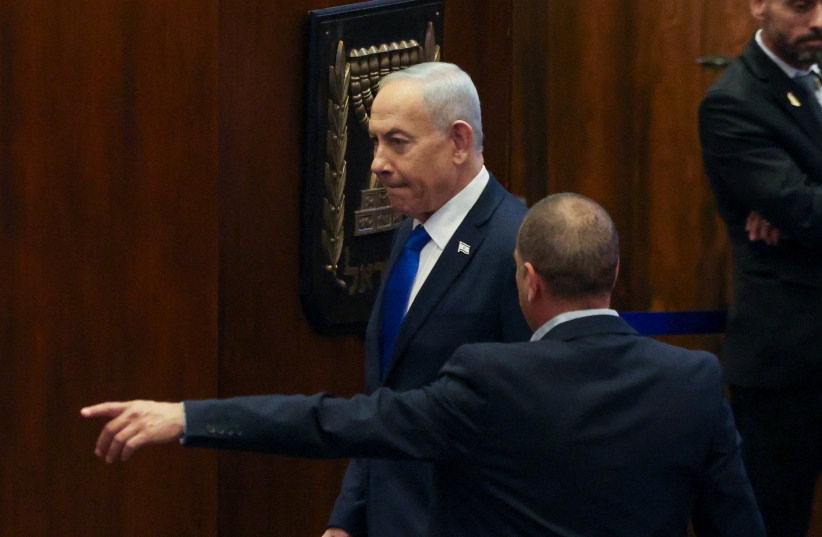
Contrary to the conventional wisdom that Prime Minister Benjamin Netanyahu successfully nudged US President Donald Trump toward war, current indicators suggest that Netanyahu is now incapable of managing an exit strategy for these conflicts.
Trump has taken matters into his own hands. Intense, friction-filled conversations between the two leaders suggest that the American president has begun to realize, albeit belatedly, that Netanyahu and his far-right coalition, rather than the State of Israel itself, have become a strategic liability.
Saudi Prince turning Trump against Netanyahu
Under domestic pressure, Trump has recently opened his eyes to a new reality. He is now listening closely to Saudi Crown Prince Mohammed bin Salman, who views Netanyahu’s government as the main obstacle to any regional settlement, including postwar arrangements with Iran following the 40-day conflict.
The emir of Qatar is echoing the same message, with similar positions coming from the UAE, Kuwait, and Oman. It also mirrors what Trump is hearing from Egyptian President Abdel Fattah el-Sisi, Jordan’s King Abdullah II, Turkish President Recep Tayyip Erdoğan, and Syria’s new president, Ahmed al-Sharaa.
A deeply rooted conviction has taken hold in the Arabian Gulf that the current Israeli government relies on perpetual warfare and military might as its primary tools for political survival. As long as this coalition remains in power, Gulf leaders believe, no constructive outcomes can be expected on any front.
Gulf states becoming influential in Washington
At the same time, Gulf states have become far more influential in Washington’s decision-making circles; their diplomatic leverage now rivals - and at times surpasses - that of Israel. One clear example of this shift was Trump’s intervention to prevent Netanyahu from destroying Beirut’s suburbs, a direct result of intense diplomatic pressure from Saudi Arabia, Qatar, and Egypt.
This raises the pivotal question: Has US foreign policy genuinely begun to change, or has the current Israeli government simply left Washington with no room to maneuver?
Majdi Halabi is a senior reporter at Elaph.com who specializes in the Arabian Gulf and Israeli affairs.