As the elementary school year came to an end, my son was thrilled to hear that, despite prior threats from Tehran, his school trip would go ahead as planned. After the bitter disappointment of having the trip postponed when it turned into a blitz round of strikes under Operation Epic Fury, his relief was understandable.
Watching the joy on his face, I couldn’t shake a pang of dread. The quiet we may be enjoying now will likely give way to a deafening noise later. That is the most painful lesson of October 7.
And as the details of the ceasefire agreement between Iran and the United States come into focus, it’s hard not to feel that we are the ones who will pay the price of America’s war fatigue.
At a press conference held amid growing public and political criticism in Israel over the deal, Prime Minister Benjamin Netanyahu projected victory: “We built deep security buffers around the State of Israel – in Gaza, Lebanon, Syria – where we destroyed all the weapons of Assad’s army, which was a central link in the Axis of Evil,” he said.
But in an interview with CBS shortly before, he admitted the proxies themselves are still there: “There are still proxies that Iran supports... we’ve hit a lot of that, but it’s all still there, and there’s work to do.” Military success, it seems, is obscuring the success of Iran’s strategy.

As a bitter lesson from its long war with Iraq, Tehran spent years weaving a strangulation belt of proxy armies around Israel. Hamas, Islamic Jihad in Gaza, and Hezbollah in the north forced Israel to fight on three fronts simultaneously.
By some miracle, we’re now militarily stronger than we were on October 6 – but those who were sent by Tehran and killed in battle were replaced by yet another new proxy.
If terror groups once looked to Tehran for resources, the role has now flipped: Washington is the one calculating how to serve Tehran’s interests, even if unintentionally. Instead of exhausting Israel militarily, Iran has found a way to paralyze it diplomatically.
And we should be honest about what that means: diplomatic isolation imposed by an enemy that openly calls for Israel’s destruction, that is developing a nuclear weapon, and that is rebuilding its strangulation belt to make good on that threat – is not a tactical hurdle. It is a clear existential threat.
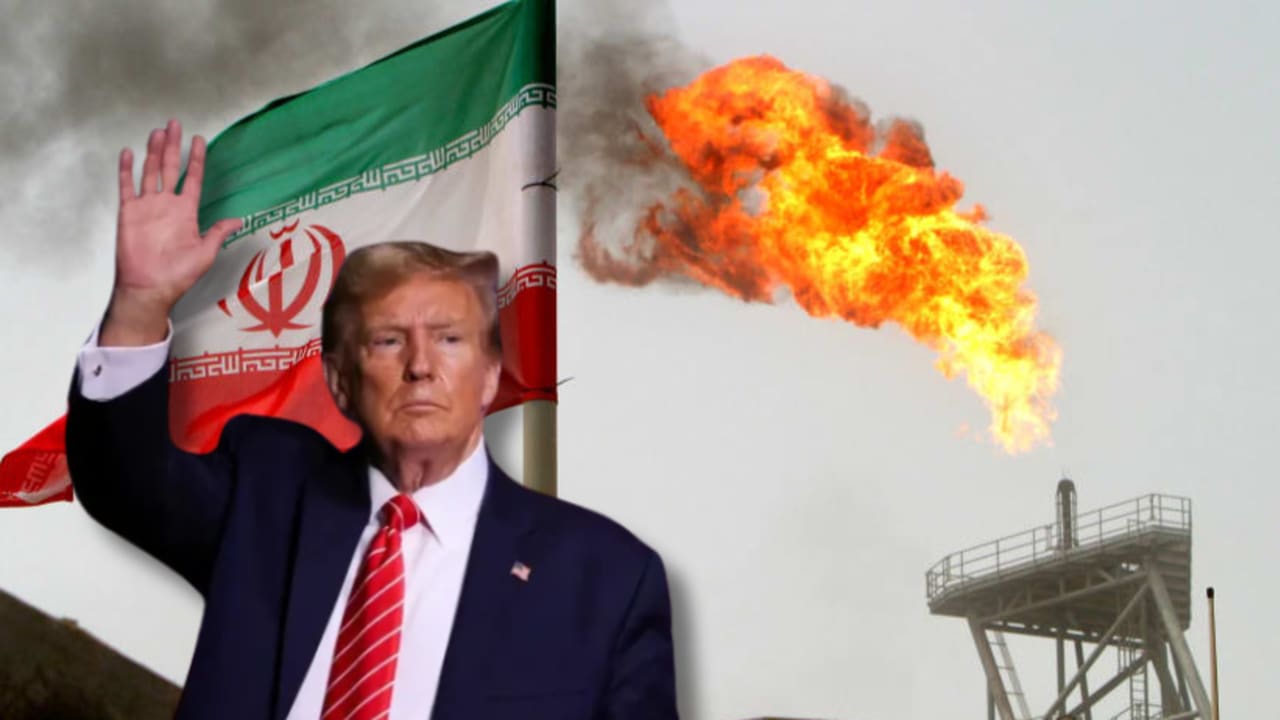
In a historical absurdity, the United States is now functioning as Iran’s de facto proxy. Whether out of fatigue with Middle East wars, a cold economic calculation about reopening the Strait of Hormuz, or – absurdly enough – the fact that a country hosting the World Cup cannot afford a regional war at the same time, the result is the same.
Iran uses the US against Israel
Where Iran once used terror groups to keep Israel from striking Tehran, it is now using the United States to keep Israel from striking Gaza, Lebanon, and Iran itself. Washington’s explicit demand for an Israeli withdrawal from Lebanon, paired with its refusal to brief Jerusalem on the full terms of the deal, exposes the depth of the rift.
The talks in Switzerland only underscore how fragile this all is. Washington is trying to extract from Tehran an agreement to allow international inspectors access to its nuclear sites, dangling financial concessions in return – but Iran has not yet agreed.
US President Trump’s threats over Hezbollah and the Strait of Hormuz pushed the Iranian delegation to the brink of walking out, only for talks to resume hours later. This isn’t stability. It’s a deal held together by duct tape.
Trump is an avowed WWE fan. There was once a wrestler named Eddie Guerrero, whose catchphrase was “I lie, I cheat, I steal.”
Perhaps without realizing it, that’s exactly the posture guiding Trump in his dealings with Iran: withholding the terms of the deal from Jerusalem, sending contradictory signals on Lebanon, declaring victory before anything is actually signed. But the more fitting WWE storyline here might be an even older staple of the sport: the tag-team partner who turns on you mid-match.
The crowd believes the two of you are fighting side by side – until, in the moment that matters most, your own partner holds you down just long enough for the other team to finish the job.
That, increasingly, is what Washington’s posture on Lebanon and on nuclear inspections looks like from Jerusalem: the partner who tagged himself in to help, and then made sure you couldn’t get back up.
This isn’t the first time we’ve had to face American abandonment. When Biden threatened to halt weapons shipments during the war against Hamas, Netanyahu declared: “If we have to fight with our fingernails, we will.” Even then, behind the tough talk, the US kept supplying most of the weapons Israel needed.
Nor is this the first time Washington’s bear hug has kept Israel from defending itself properly: in 1991, during the Gulf War, Washington pressured prime minister Yitzhak Shamir to absorb dozens of Iraqi Scud missiles without firing back.
In 2012, the Obama administration blocked a planned Israeli strike on Iran’s nuclear program – a strike Netanyahu himself later confirmed he had intended to carry out. This time, the bitter irony is that Trump, in trying to stop Iran from racing toward a nuclear weapon, may end up pushing Israel to start one.
Despite Washington’s efforts to keep Tehran off the nuclear path, Iran’s determination to preserve Hezbollah as a threat, its resolve to continue the direct fight against Israel, and America’s fatigue all point toward a particularly grim outcome.
Whether under this government, the next one, or by the time my son is old enough to vote, Israel may find itself needing to lean on every deterrent at its disposal – including unconventional weapons, to whatever extent it has access to them – and use it against whoever threatens its destruction. Simply because, this time as before, American interests and Israeli interests have stopped being the same.
The writer is a media consultant and a former spokesman at Israel’s National Public Diplomacy Directorate.