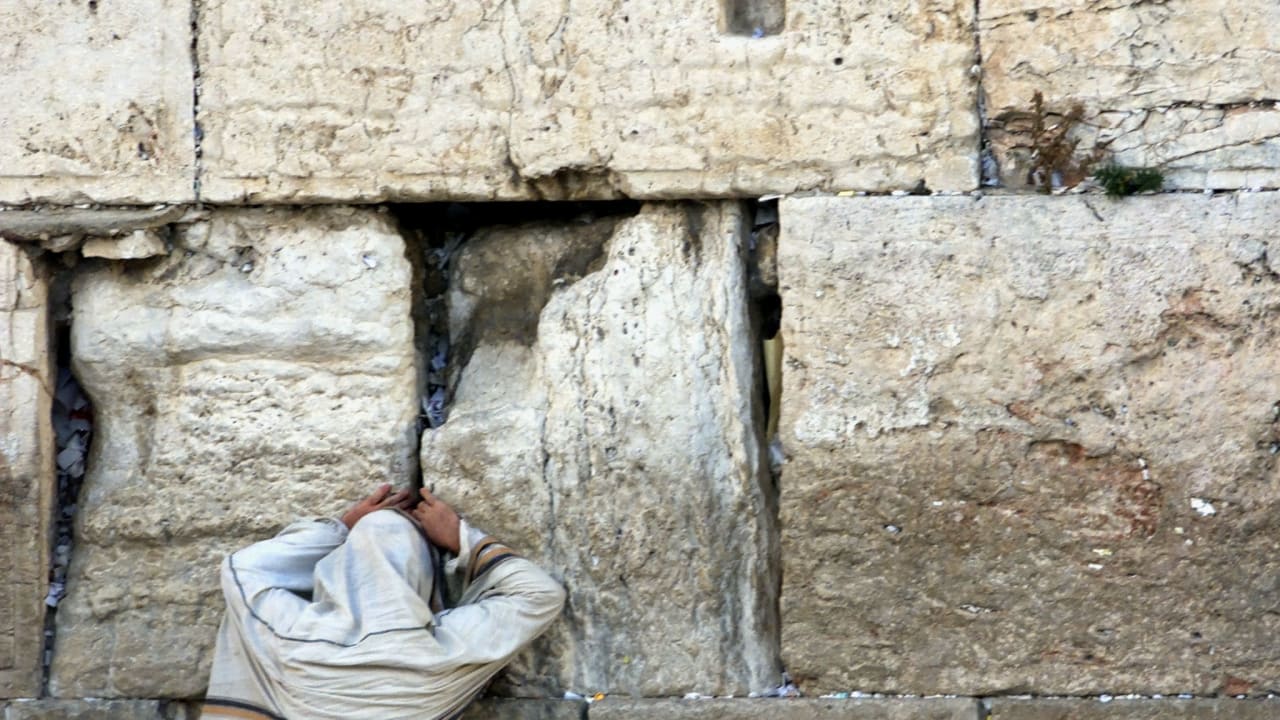
The Fast of the Seventeenth of Tamuz marks the beginning of the period known as Bein HaMetzarim – the “Three Weeks.”
Some view the Jewish festivals and fast days as historical observances intended merely to remind us of events that took place thousands of years ago.
Maimonides, however, directs our attention much deeper when he writes: “There are days on which the entire Jewish nation fasts because of the calamities that occurred on them, in order to awaken hearts and open the paths of repentance.”
Our sages did not act as historians preserving the past, but as educators and shapers of the human spirit. The annual cycle they established is not merely a succession of dates; it is an ongoing spiritual and moral journey of learning, introspection, and renewal.
Let us therefore reflect on the Fast of the Seventeenth of Tamuz and ask ourselves: Why was the breaching of Jerusalem’s walls assigned its own day of mourning?
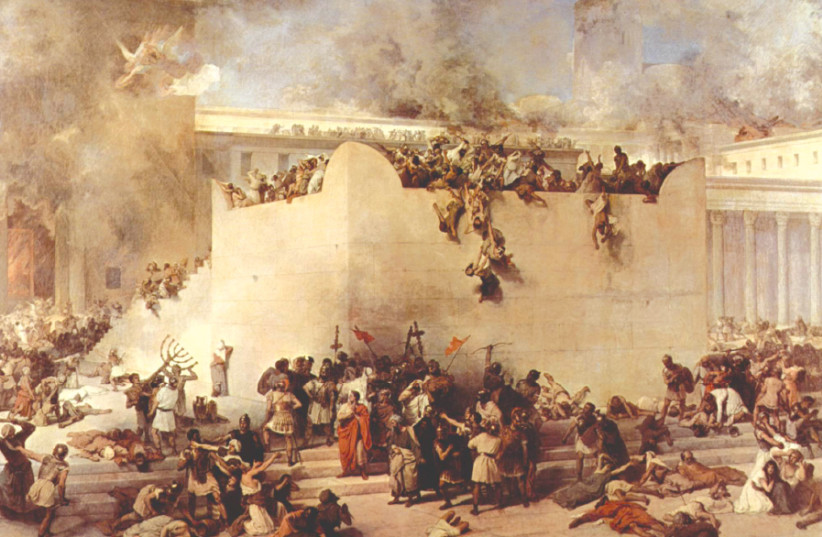
After all, the ultimate catastrophe – the destruction of the Holy Temple – occurred only three weeks later, on the Ninth of Av. Why interrupt the rhythm of daily life and fast over what appears to have been merely one stage in a larger process?
The answer is that the breach of the walls stands on its own as a moment of profound destabilization, a moment when neglected weaknesses and unrepaired fractures are suddenly exposed.
The very fact that the walls were breached testifies that the line of defense had already been compromised from within, long before the enemy struck from without.
The physical walls fell only because the spiritual and social walls – the inner structures upon which they rested – had already become deeply weakened.
We, perhaps more than anyone, understand this in light of the terrible period preceding Simchat Torah 5784, October 7, when we stood on the brink of civil strife.
For that reason, we must ask ourselves, with painful honesty: Which walls are we striving to strengthen, and which walls have we neglected? There are walls that ought to be fortified, and there are walls that must never be built.
We should strengthen the walls that distinguish light from darkness, good from evil, integrity from corruption. These are the walls of justice, honesty, and the protection of the Divine image within every human being. Have we done enough to reinforce these walls?
By contrast, there are destructive walls – walls of fear, division, and hatred. Walls that separate us through arrogance and suspicion.
Rebuilding unity in a time of division
We entrench ourselves in opposing camps, hiding our own weaknesses behind walls of mutual accusation, alienation, and contempt, preventing us from seeing one another as brothers and sisters. Have we worked hard enough to dismantle these walls from our hearts and from our society?
What are we defending? Against whom are we fighting? Are we joining arms to stand firm as one people with one heart, or, God forbid, are we turning our swords against one another in the name of divisive tribalism, strengthening the walls of baseless hatred while neglecting the wall of unity and shared covenant?
Our repair begins with the recognition that the forces of construction and unity must be stronger than the forces of division and destruction.
As Rabbi Avraham Yitzhak Kook of blessed memory taught: “If we were destroyed, and the world with us, through baseless hatred, then we shall be rebuilt, and the world with us, through baseless love.”
May the day commemorating the breach of the walls become a day of renewed direction for us all.
May we refrain from raising walls of estrangement, strengthen the bonds of mutual responsibility instead, broaden the boundaries of our hearts, and remember that what unites us is deeper and stronger than anything that divides us. And through our choice of love and renewal, may we together build a new and enduring chapter in the story of the people of Israel.
The writer is rabbi of the Western Wall and holy sites.