Parasha
Haftarat Ki Tetze: When others destroy, Jews rebuild and make things greater
Jerusalem has endured exile and loss, but Isaiah tells her not to look only at what has been destroyed. She must look ahead to what will be rebuilt.
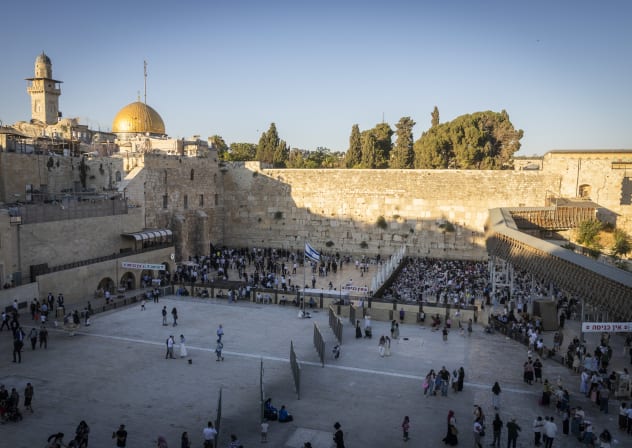

Parashat Ki Tetze: Set adrift on the island of Elul

Parashat Ki Tetze: Creating a deep bond and the secret of marriage

What is the connection between Zionism and planting trees in Israel?
Parashat Balak: Guarding our eyes
Jewish tradition values personal modesty and meaningful inner growth that is not displayed for public attention. Such conduct is fitting for a people who serve God.

Parashat Beha'alotcha: Know your place
After Pharaoh intensified the Jewish slaves' work, Moses felt that his mission had failed. Out of deep pain, he turned to God and said, “Why have You done evil to these people? Why did You send me?

From Sinai to today: Judaism and the long march of monotheism - opinion
We were not selected for privilege but to carry God’s presence and moral vision into a broader world.

Parashat Bamidbar: ‘Machar Chodesh’
This week’s haftarah offers a timely message about longing, loyalty, and the enduring bond between the Jewish people and their homeland.

Parashat Bamidbar: The individual within the collective
When the Torah counts the people by tribes and families, it teaches the art of integration: Each individual is counted on his or her own, yet as part of a larger structure.

Parashat Behar-Behukotai: Quality vs quantity
Shmita teaches that true blessing is found not in abundance, but in satisfaction, faith, and learning to focus on what truly matters.

Parashat Emor: The social revolution
This portion is read during the days of the Counting of the Omer, when Judaism emphasizes mutual respect and love between people as preparation for receiving the Torah on the festival of Shavuot.

Parashat Acharei Mot-Kedoshim: The promise of permanence
The covenant endures. The people have returned. And, as the Malbim teaches, we shall never again be cast out.

Parashat Shmini: Guarding a pure heart
The Hebrew word timtum means “blockage” or “dullness.” Forbidden foods can lead to this blockage – to emotional numbness and a diminished ability to perceive spiritual depth.
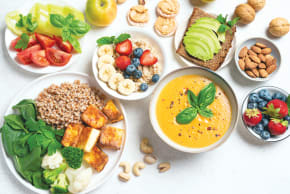
Parashat Tzav: True freedom begins in the mind, not in physical circumstance
Shabbat Hagadol is a time of inner preparation for the Festival of Freedom. On this Shabbat, we begin to think and act from a broader perspective.
