Parasha
Parashat Bereishit: The world of water
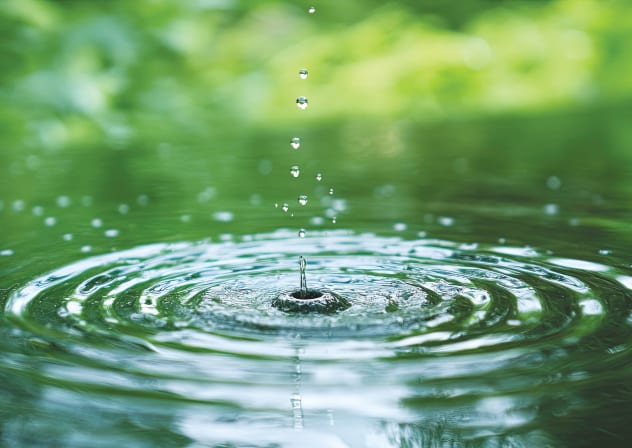
Water is also the thread that connects the festival of Sukkot, which we recently concluded, with the first Torah portion, Parashat Bereishit, read on the first Shabbat after Sukkot.

The imagination that began it all: The Persian-Jewish poet bringing Genesis back to life - opinion

Simchat Torah 2026: What exactly are we so joyous about?

An unimaginable idea: When does God ignore idolatry by Jews?
A message from the weekly Torah portion: How can one truly draw close to G-d?

Parashat Tazria-Metzora: Skin afflictions as a warning sign
Just as a bad word can destroy, a good word can build – and that, after all, is the purpose of creation: “The world will be built with kindness.”

Parashat Shemini: Food of truth
Our portion lists four animals that lack one of the two signs of purity. The midrash associates these four animals with the four exiles the Jewish people have experienced over the generations.

Parashat Vayikra: Sacrifices, essence, and meaning
Someone who sins is meant to bring something of himself – his heart and emotions – and to experience a sense of closeness to God and love for Him through the offering.

The king of Spain was outraged: “Cut out his tongue”

Parashat Pekudei: Don’t walk away
We know who we are. They cannot fathom it. Our tireless efforts to explain may fall on deaf ears – but we hear, and we know.

Parashat Pekudei: The beauty of transparency
Nothing in the Torah is superfluous. From every word – and even from each letter – our sages derived halachic rulings or ethical teachings.

'Cardozo on the Parashah': The magic of the Torah’s most ambiguous book - review
Snippets from Rabbi Nathan Cardozo’s commentary on the ‘Book of Leviticus’

Parashat Vayakhel: Giving from the heart
look at the beauty of the Temple, built in harmony and generosity, and let this be the foundation of your own home – built on love and overflowing kindness.

Parashat Tetzaveh: Yes, you can!
A person can build, act, create, contribute, and make the world a better place. Just as easily, however, the same person can wither, stagnate, and waste his or her life in idleness.
