PTSD
'Ecology of healing': Israel's October 7 trauma victims say the system is failing them
DOMESTIC AFFAIRS: Experts say Israel’s war-trauma system must evolve from disability ratings to rehabilitation. Will the next Knesset prioritize reform?
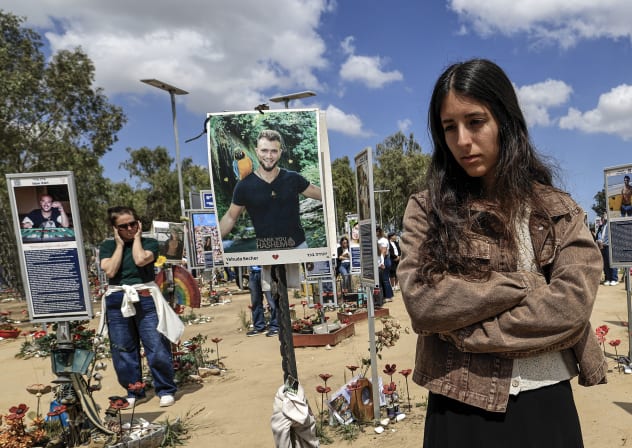

This clown eats bubbles, cracks jokes to help Israeli children recover from trauma

Israel launches major reform for wounded soldiers as PTSD cases continue to surge

WATCH: ‘We’ve paid with our blood’: Veterans confront haredi lawmakers demanding support
Health Ministry changes medical cannabis guidelines, passes responsibility to insurance funds
Cannabis may still be considered in severe cases, such as insomnia or acute distress, but only alongside proven treatments like psychotherapy and under close supervision.

What we get when we’ve nothing left to give - opinion
Nearly 40% of Israeli civilians fall within the clinical range for probable PTSD.

'Totally lost': Israel's next generation faces rising wartime trauma, study warns
New data reveal deepening trauma of Israeli children in the northern and southern border regions

A generational crisis: Israel's most vulnerable children pay war's steepest price
How the Israel-Iran conflict has shattered the lives of at-risk children and youth
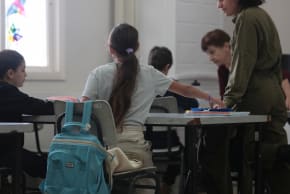
Trump signs order to accelerate Ibogaine research for veterans with PTSD
The order focuses on advancing studies of ibogaine, a Schedule I psychedelic drug, for use in treating PTSD, traumatic brain injury, depression, anxiety, suicidal ideatiation, and opiod addiction.
Why do people with post-trauma avoid dental treatments?
Studies from Israel and around the world indicate a clear link between PTSD and avoidance of dental treatment and an increase in gum diseases. Why does this happen?

Preventing PTSD in real time: AI-powered first-aid app available in English, Hebrew, and Arabic
Founder Schwartz Tayri told The Jerusalem Post in an interview that Israel’s ambassadors to the United Arab Emirates and Bahrain requested the app.
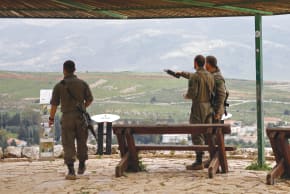
A shattered covenant: Israel’s lone soldiers and the broken promise of care
Joshua Boone served for 748 days in the Gaza war. He kept his side of the covenant. Did Israel keep its side?
Inside trauma: How AI is helping Israelis see the invisible wounds of war
The following images were created by Tal Pasternak Magnezi to illustrate the complex, often wordless symptoms of trauma.

Israeli Air Force navigator recognized as fallen soldier after PTSD-related suicide
The Defense Ministry has officially recognized Maj. (res.) Asaf Dagan as a fallen soldier, honoring his service and the psychological toll of his military duty, following a long fight by his family.
