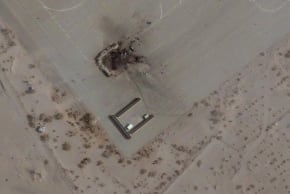
THAAD
How Arab-Israeli air defense coordination is developing into a regional security shield - analysis
Iranian and Houthi attacks led to close cooperation between the US, Israel, and regional partners against the ballistic missile and drone threat. This laid the foundations for what came next.


Strategy or physical withdrawal: What does Washington’s shift from airstrikes to sanctions signify?

As Iran-US negotiation window closes, countries race to reload, prepare for further war - analysis

Pentagon orders plan for rapid weapons production as US munitions stockpiles dwindle - report
US Marine Corps deploys Iron Dome interceptors in Guam for China war drills
The US Marine Corps acquired the MRIC system, which combines an American radar and command-and-control system with trailer-mounted launchers carrying 20 SkyHunter interceptor missiles.

Trump to meet munitions makers amid push to replenish weapons stockpiles
The United States has supplied large quantities of weapons to allies while also using munitions in its own military operations, raising concerns about inventories.

As third Israel-Iran war looms closer, IDF needs to make it count - analysis
With fewer interceptors left, training and technology have become the last line of defense in an endless loop of escalation and deterrence.

Lockheed Martin breaks ground for new THAAD missile manufacturing facility
During the month-long war with Iran, 'The Washington Post' quoted several American officials as stating that over 200 THAAD interceptors were fired in defense of Israel.

US used double amount of interceptors as Israel during Iran war, officials say - report
The US deployed some 200 Terminal High Altitude Area Defense, or THAAD, interceptors against Iranian missiles targeting Israel, while Israel used fewer than 100 Arrow 3 missiles.

Pentagon Iran war cost estimates may exclude billions added from damaged US assets - CNN
While a Pentagon official has given a $25 billion figure, CNN sources warned the cost including rebuilding damaged US assets may cost tens of billions more.

Pentagon may be understating severity of US missile stockpile shortage - report
The Atlantic reported that Vice President Vance has discussed the issue with Trump, noting that a weapons shortage would be extremely detrimental to American interests.

Why did David’s Sling fail to protect Israel's South from Iranian missiles? - analysis
Part of the scrutiny on David’s Sling stems from the fact that there have been multiple major failures, leaving large numbers of Israelis wounded, not just a single event.

US interceptor stockpiles being depleted by Iran war, could take years to replenish
The Payne Institute estimates that the war has consumed about a third of the THAAD missile stockpile, whose annual production rate does not exceed about 100
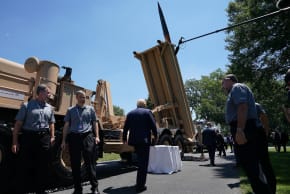
Missile, drone strikes against US radar put air defense resilience under question - analysis
The destruction of THAAD and long‑range radar systems in the opening days of the war highlights a dangerous new reality: static air‑defense assets are easy targets