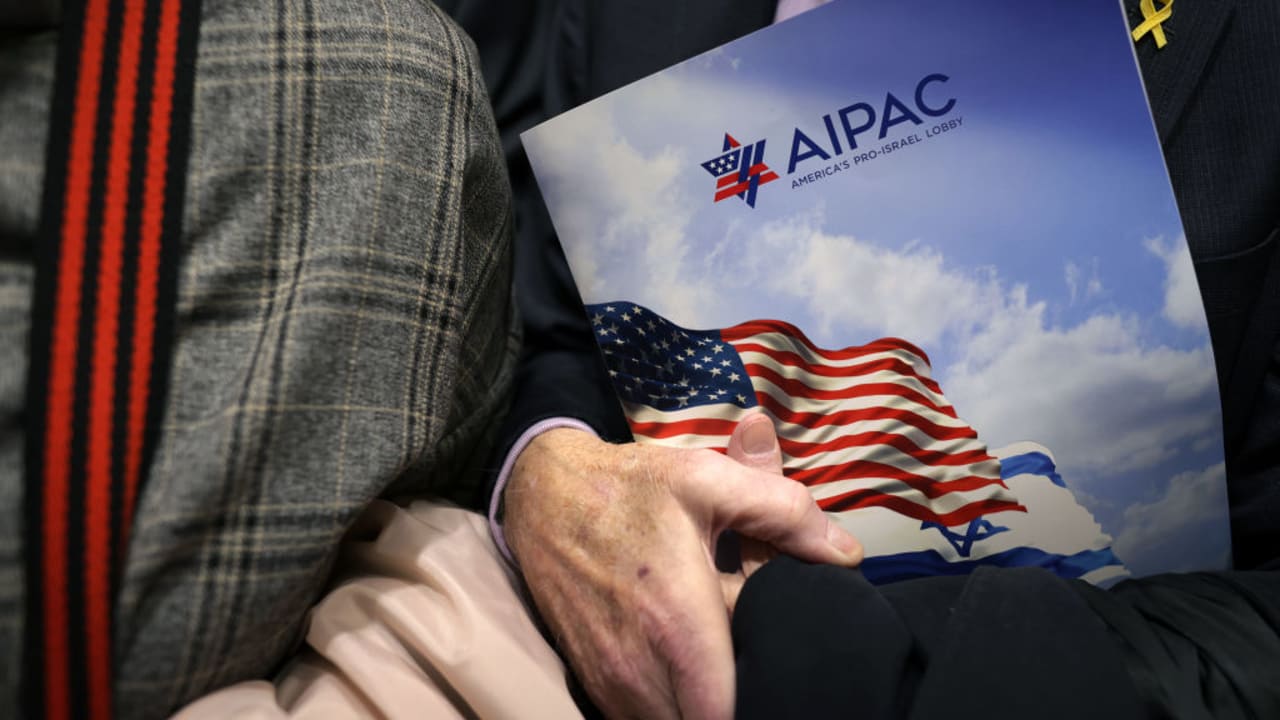
Pro-Israel lobby group AIPAC announced on Wednesday that it will no longer officially endorse candidates in US elections or send direct donations through its political action committee, N12 News reported.
According to the report, the decision comes after several pro-Israel politicians became the target of significant criticism following the group's endorsement of them.
In an official statement, AIPAC explained that "official endorsements of candidates, direct contributions from the political action committee (PAC), and the earmarking of donations for specific candidates will no longer be part of our approach," according to the N12 report.
"This will allow us to expand individual contributions and utilize new tools to help our allies win," the statement added.
The statement reportedly says that the decision was reached after a several-month-long strategic process and a review by the AIPAC Board of Directors.

In late 2021, AIPAC launched its first federal action committee (AIPAC PAC) and the United Democracy Project (super PAC). Just five years later, the lobby group has pivoted from official candidate endorsement and direct contributions back to unearmarked donor contributions and continued independent expenditures through its super PAC.
AIPAC support became divisive issue in US midterm elections
In primary elections across the US, AIPAC took center stage as candidates dug up a history of engagement with AIPAC to turn voters against their opponents.
In New York this summer, Brad Lander defeated Dan Goldman in a hotly contested Democratic primary, where their views on Israel, and more specifically on AIPAC, became a focal point.
Lander's campaign emphasized his refusal to take campaign donations from AIPAC, while Goldman came under attack because he had accepted political endorsement from the group.
Similarly, in the Oklahoma Democratic primary election in August, candidate N'Kiyla Jasmine Thomas built her platform on anti-AIPAC messaging and defeated the centrist candidate Jim Priest.
Throughout the midterm and primary campaigns, candidates endorsed by AIPAC have increasingly been targeted for that support. AIPAC's decision to cease providing official support to candidates comes amid increasing focus and scrutiny on the actions of Israel by American politicians and voters.