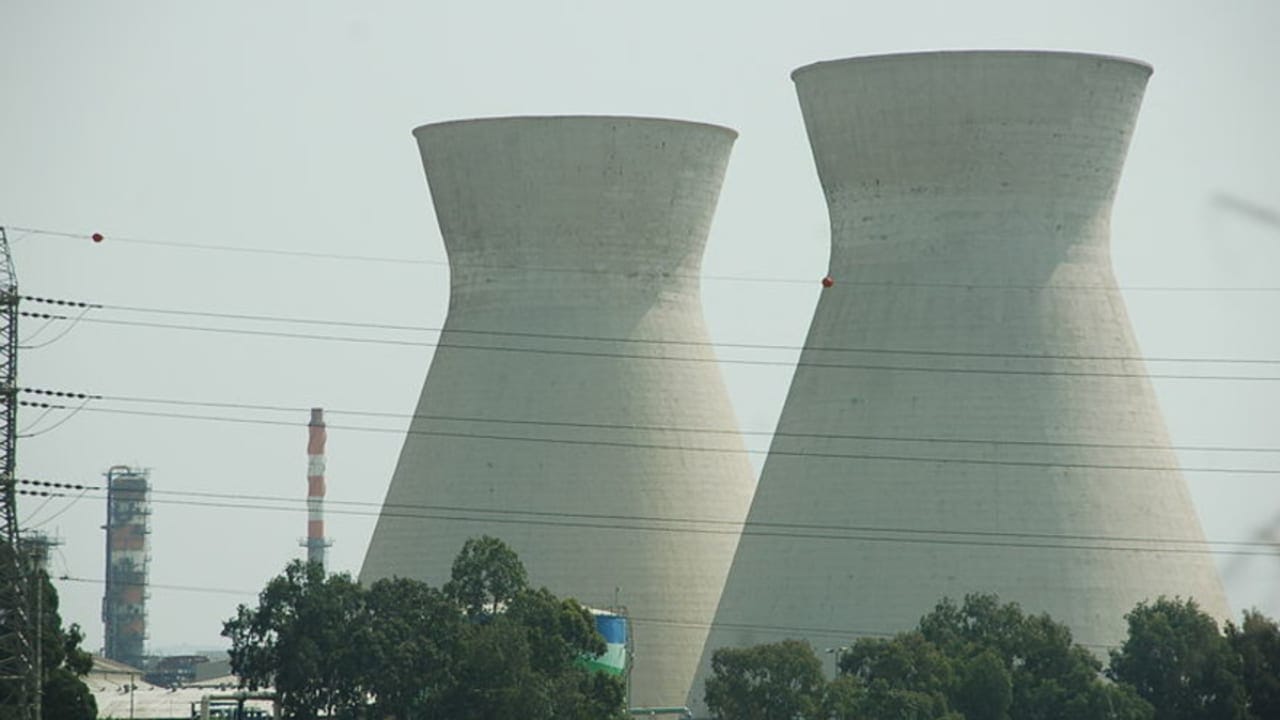
The change of government and the formation of a cabinet headed by Gadi Eizenkot may prevent the evacuation of the oil refineries from Haifa Bay. The decision to evacuate the refineries was initiated by the head of the National Economic Council, Prof. Avi Simhon, but it has not yet been formally approved by the government.
Political ties and energy policy shifts
Prof. Simhon is expected to step down as the new government is formed. One person who might be pleased with this outcome is Bazan Chairman, Maj.-Gen. (res.) Moshe Kaplinsky, who has maintained close ties with Eizenkot since their shared military service. The two speak regularly, and Kaplinsky even actively supported Eizenkot during the election campaign.
The current Energy Minister, Eli Cohen, also expressed reservations about the decision, even though he officially worked to advance it. According to the original plan, the evacuation was supposed to take place by 2030, but it was later postponed to 2035. Under the initial scheme, the refineries were to be rebuilt in the Mishor Rotem area of the Negev. A similar plan was also implemented regarding Israel Chemicals (ICL). However, it remains unclear what stance the incoming Energy Minister will take on the matter.
Economic and security implications
According to estimates, the position of Energy Minister will be offered to the Democrats party. Environmentalists and green advocates within the party are likely to support the evacuation. The Haifa Municipality also supports the move, despite the fact that the decision could leave thousands of Bazan workers unemployed. The underlying rationale was that the evacuation would achieve two primary goals: Enabling the construction of tens of thousands of housing units in Haifa Bay, while simultaneously reducing air pollution and related morbidity. Furthermore, transferring the complex to the Negev was intended to create thousands of jobs for residents of the South.
However, the decision remains controversial, to say the least. Relocating the refineries while relying on imported refined petroleum products could jeopardize Israel's energy security, as it is unclear how realistic the import alternative truly is. The war with Iran demonstrated the potential danger when the refineries were shut down following an Iranian missile strike. Additionally, Bazan's management has invested tens of millions of shekels in recent years to reduce pollution, earning the approval of the Environmental Protection Ministry.