The way October 7 has already been fixed in our collective memory tells us a great deal about what we have decided to learn from it.
The massacre fell on 22 Tishrei – Shmini Atzeret and Simchat Torah, two days that signify the highest joy: one completing the festival of Sukkot, the other our rejoicing in the Torah itself.
Unlike the Yom Kippur War, which we mark by the Hebrew date, this catastrophe is remembered by the secular calendar. Perhaps that choice alone already hints at what we, as a people, have taken from it.
Israel is known throughout the world for possessing one of the most sophisticated intelligence services on earth, a formidable army and air force, and hard-won experience defending its borders against enemies sworn to destroy it.
And yet, despite all that overwhelming might, we were slaughtered by terrorists in sandals riding motorcycles and Toyota pickups, many crossing the border on foot or on bicycle.
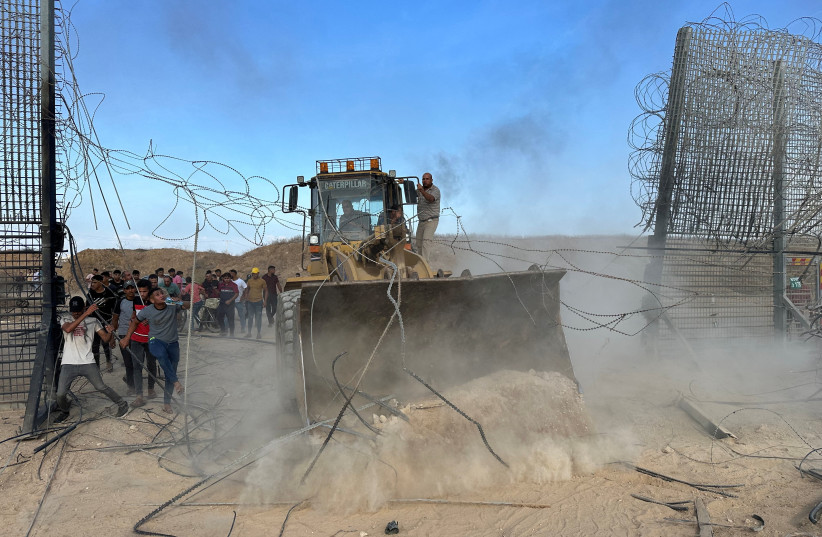
Where was our intelligence? Where was the force that was supposed to stop them? How could so low-tech an enemy breach our border, murder some 1,200 people, and drag 251 hostages into Gaza?
That is the question consuming the country, and it is why we are now locked in a bitter argument over the shape of an independent state commission of inquiry, one seated apart from the sitting government.
But notice how strange the question really is. It is almost beyond reason that it happened at all. One could say it was beyond nature – that all our intelligence, all our might, all our vigilance was blinded just enough, through a cascade of countless variables we will never fully reconstruct, to allow this to occur.
This is more than the search for someone to blame. It is an existential question: How could this happen to us?
Ask almost anyone – military or civilian, Left, Right, or Center, religious or secular, and they will concede that when you survey the history of Israel and of the Jewish people, there is no ordinary explanation for how we continue to exist at all. Through an improbable accumulation of events, we not only survive, but thrive.
Even the most devout will not claim we have endured on miracles alone, because halacha teaches that one may not rely on miracles – “ein somhin al hanes.” We have built a fierce and capable military, fulfilling our physical obligation of hishtadlut, effort, alongside whatever help Heaven provides.
Spiritual and physical effort
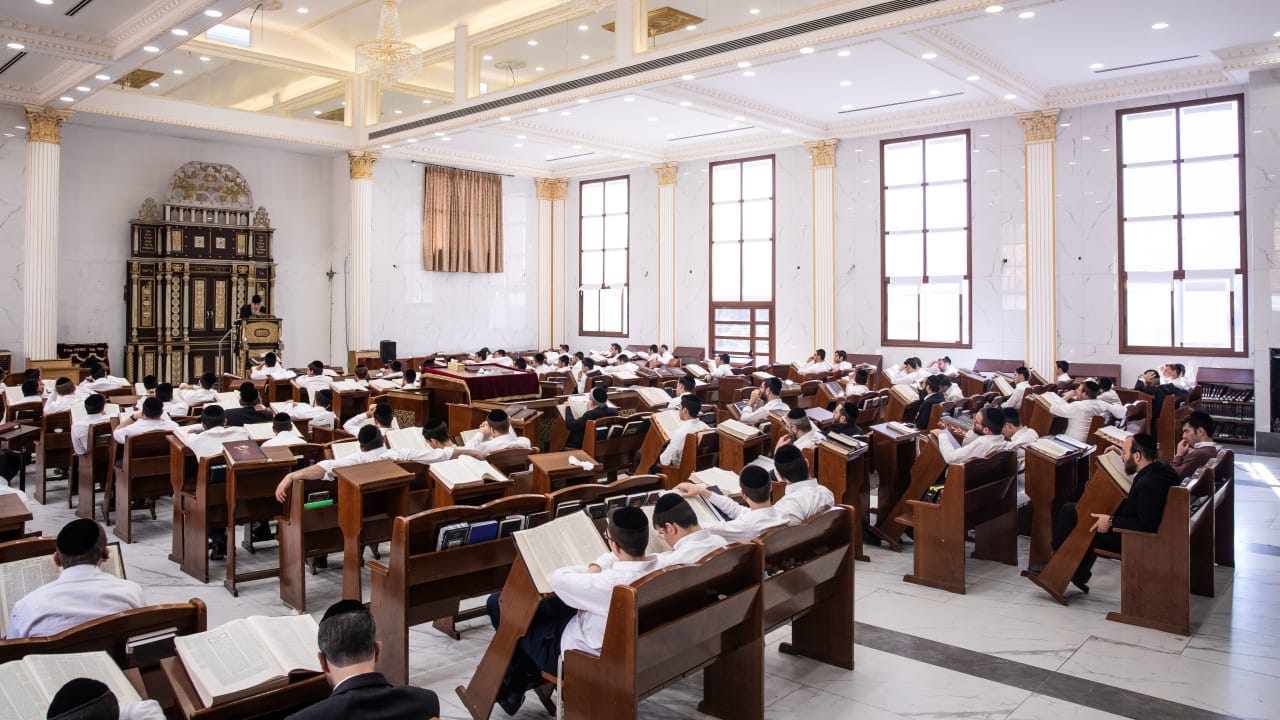
But here is what troubles me. In the wake of 22 Tishrei, the nation has thrown itself into a single response: strengthening our military through new alliances, expanding the standing army, and now through compelling yeshiva students to leave their study halls under threat of arrest.
And I want to ask, carefully: In fixating on that one answer, have we closed our minds to a second lesson this day might hold?
Why has almost no one dared to say aloud that perhaps we also need to increase Torah study and mitzvah observance in response to an event that did not fall on a random day, but on the very day that points to the Torah and its observance?
Why is that suggestion dismissed in advance as religious zealotry? It is no less reasonable than the claim that more soldiers, tanks, and missiles massed at the Gaza border that morning would have saved us. Because the fact is, we had all of those things – and on that morning, they did not matter.
I am not arguing that we abandon hishtadlut. The same principle that forbids relying on miracles demands that we do our physical part, and do it seriously.
But hishtadlut was never meant to be only physical. If we are honest in asking why this happened, intellectual honesty requires that we consider the question from more than one direction.
One of those directions is that Torah study is itself a form of protection, and that a nation genuinely serious about its survival would count those who learn among its defenses rather than treating the beit midrash (study hall) as the one place with nothing to contribute.
Because in the end, whatever firepower we manage to accumulate, we all know the deeper truth: if a thing is not meant to succeed, it will not succeed – and if it is, no arsenal was ever what saved us.
The writer is a serial entrepreneur and seasoned investment professional specializing in disruptive technologies and financial analysis. He is a researcher at the Jerusalem Center for Security and Foreign Affairs (JCFA).