
There are certain cities in Israel that seem destined merely to be passed through. Modi'in, at least in the eyes of most Israelis, is one of them – a place recognized primarily from roadside signs on Route 443. Travelers might pull over for a quick coffee on the way to Jerusalem, fill up on gas en route to Tel Aviv, or perhaps stop at the local mall. Yet rarely do they actually visit the city itself, even though its very first hotel recently opened its doors. Those willing to slow down for a moment will discover a city hiding a wealth of surprises: Archaeological hills, art installations in the heart of nature, unique tours, exceptional local cuisine, and even its own version of Stonehenge.
The city, designed by renowned architect Moshe Safdie, was built around a concept that was quite revolutionary by Israeli standards: The valleys were designated as green, public, and community-oriented spaces, while residential construction climbed the hills. Every apartment features a balcony, and the intersections are roundabouts rather than sharp street corners. The result is an urban landscape where more than half of the area is dedicated to open spaces, parks, and green zones. The city with the longest official name in the country – Modi'in–Maccabim–Reut – also enjoys a rare geographical advantage. Sitting exactly halfway between Israel's two major metropolises, it is close to everything yet completely removed from the heavy traffic jams. It is just a 30-minute drive from Tel Aviv, 30 minutes from Jerusalem, connected by a direct train line, and surrounded by no less than 55,000 dunams of green expanses. In other words: It offers everything the country's central region lost on its path to concrete.
Start with coffee, a croissant, and Titora Hill
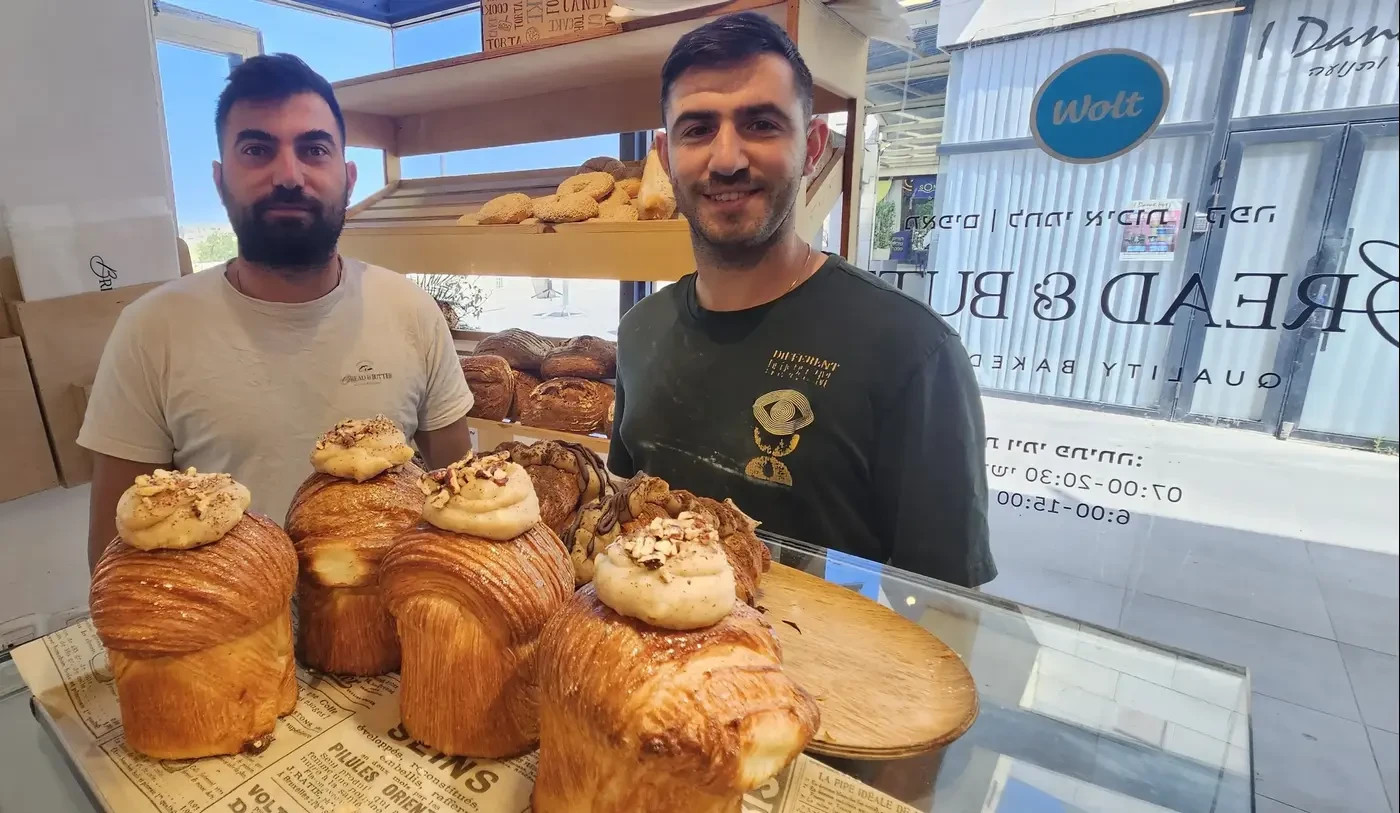
The first thing to understand about Modi'in is that its true heart lies not in the central mall, but rather in its small neighborhood commercial centers. For instance, tucked away inside the Malibu Center – a neighborhood commercial hub that looks almost sleepy from the outside – is Bread and Butter, a bakery that has spent the last year and a half operating as a pilgrimage site for local carb lovers.
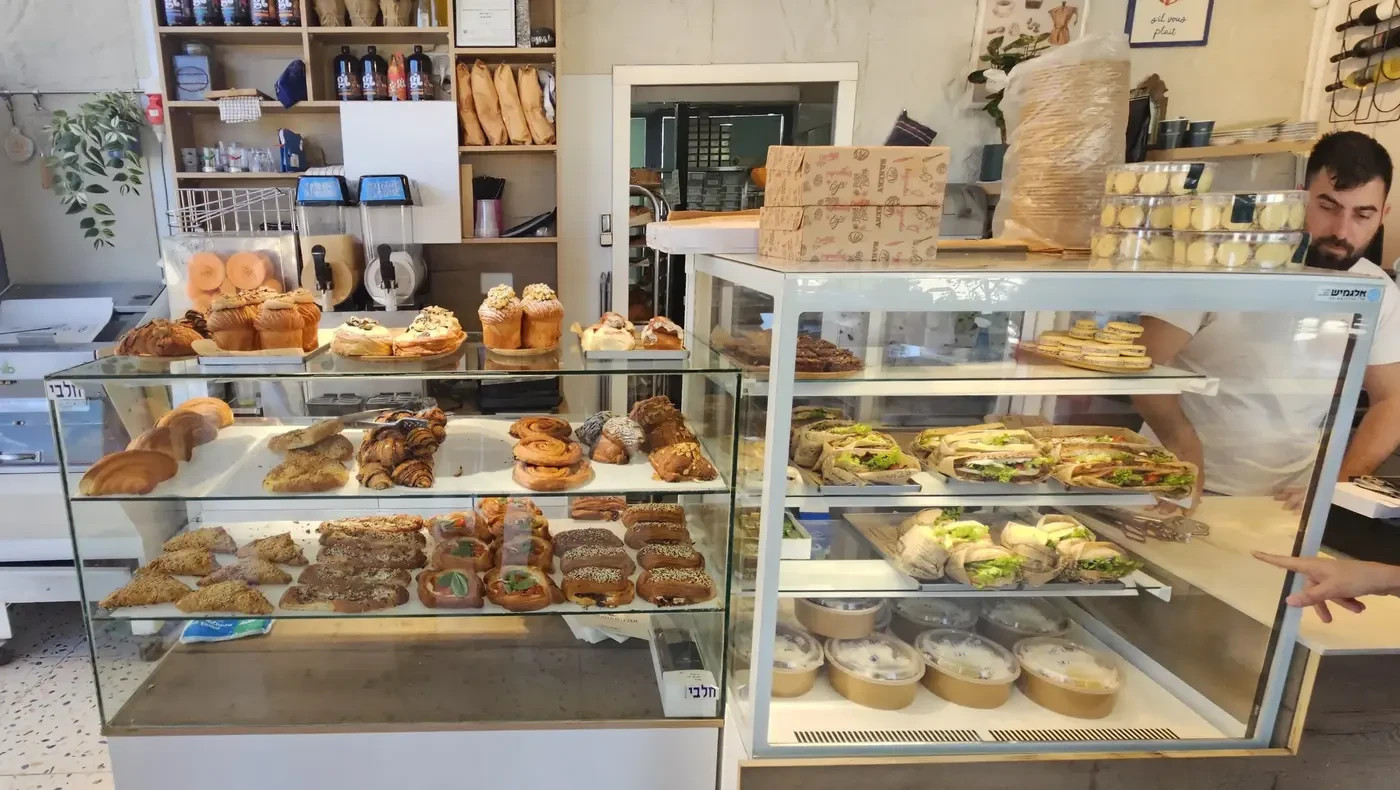
The establishment is run by Moshe and Nadir. Moshe entered the baking world from the absolute bottom – starting with cleaning duties in a bakery, moving on to studying bread-making, working professionally in the field for 16 years, and eventually opening his own business. "What impressed us was the view overlooking Titora Hill, alongside the fact that this was a 'dead' commercial center. On Fridays, the public garden here is packed with people who buy pastries and take them to sit in the shade," says Moshe, AKA Moshiko. The final result is impressive: A display case loaded with both sweet and savory pastries made from high-quality croissant dough. "The crowd favorites are the patissier and strawberry pastry, the pistachio version, and a savory pastry topped with roasted tomato spread, Kalamata olives, and Bulgarian cheese," Moshe explains. Frankly, as a devout carb lover myself, I have not eaten anything this delicious or unique in a very long time.
Prices are also relatively reasonable for an era when a good pastry can approach the cost of a full meal: NIS 13–32 for a pastry, about NIS 22 for a loaf of bread, sandwiches for NIS 32, and salads for around NIS 38.
Yet the real secret remains the location. Just a few steps away sits a shaded public garden that fills up every Friday with residents holding coffee and pastries, all while Titora Hill towers directly above them.
Bread and Butter, Malibu Center Modi'in, Sun.–Thu. 7:00–20:00 | Fri. 6:30–14:30
A gallery without walls
Titora Hill is arguably the city’s most significant site in terms of nature, heritage, and scenery. Spanning approximately 600 dunams, the area features archaeological findings dating back thousands of years, alongside walking trails and striking panoramic viewpoints. From the summit, it becomes clear why this specific location was chosen for a new city. Ben Shemen Forest stretches out on one side, the Shfela lowlands on the other, and Jerusalem’s skyline peeks through the horizon on clear days. This is no ordinary urban hill; it is a landmark that tells the story of the region across roughly 6,000 years of human settlement.
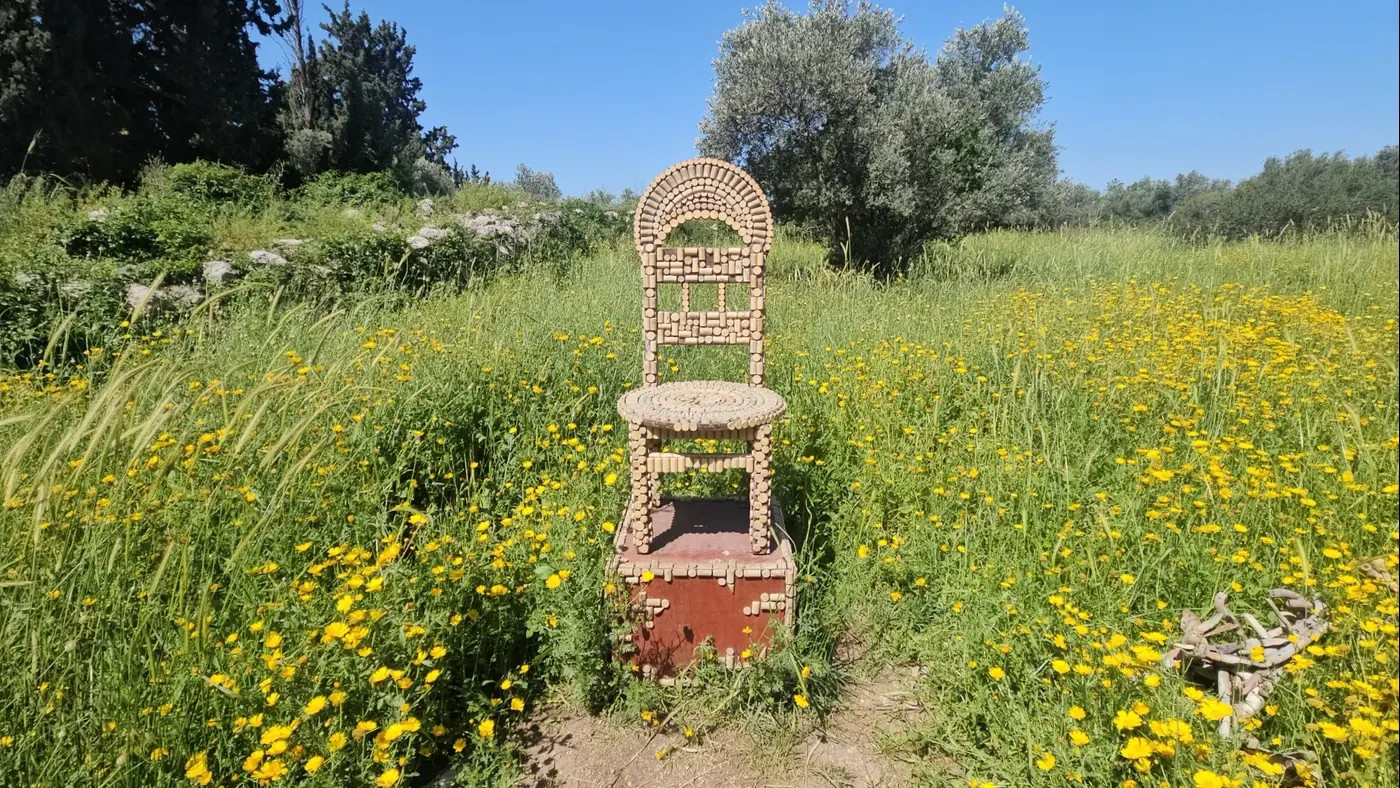
However, the city's most unique cultural story unfolds on a different hilltop – Cypress Hill, which rises 289 meters above sea level and stands out from a distance due to its distinct cypress trees. About a year ago, an environmental art exhibition opened here, showcasing more than 50 works by over 50 artists integrated directly into the natural landscape. The project was curated by photographer Adi Adar and producer Adva Shavit, a local resident who serves as one of the key drivers behind the city's tourism development. The exhibition explores the human dimension, reflecting signs of life inspired by the location, imagination, and thought. Highlights include a sculpture by Talia Sharon titled "Totem – Israeli Sabra," a chair constructed entirely from cork stoppers, and a vibrant mosaic created by special education students that manages to steal the show without relying on any special effects.
The harsh Israeli sun yields to no one – including works of art – and some pieces have already been removed or are currently awaiting restoration. Nevertheless, visitors can still discover several intriguing installations alongside gorgeous natural surroundings.
Cypress Hill, how to get there
The artist who was a Shin Bet man
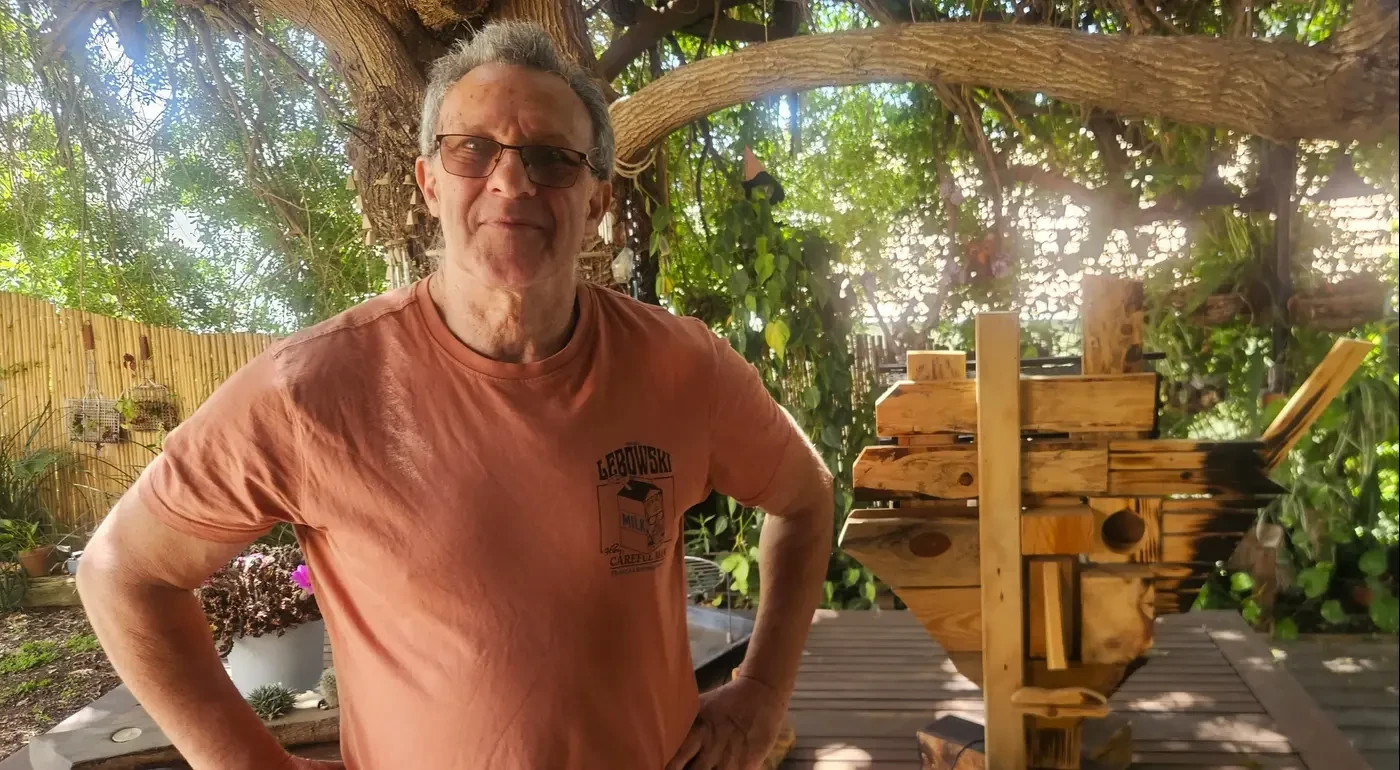
One of the city's most compelling initiatives is Hosting Homes – a network of roughly 40 residents who open their houses and lifestyles to visitors. The hosts received guidance and training from Tal Raz and Vered Atzmon, tourism experts who specialize in helping local operators tell their personal stories. Among the most fascinating figures in the project is Gabi Shai, a Shin Bet retiree who transitioned into a wood artist.
"I am a virgin artist," he likes to say. Gabi did not start out as a young carpenter. Quite the contrary – after years spent as a dancer and painter, he learned carpentry from his daughter Hila, a professional carpenter herself, and only discovered his passion for the art during the coronavirus pandemic. A tour of his home introduces visitors to a charming individual and a vast collection of artwork displayed throughout the house. His wooden pieces touch upon his experiences in the secret service alongside works inspired by biblical narratives, such as Joseph's Dream. During visits, he also demonstrates his crafting process.
Gabi Shai, NIS 30 per person, minimum 30 people. Creative workshop NIS 600 per couple for two hours. 054-6883357.
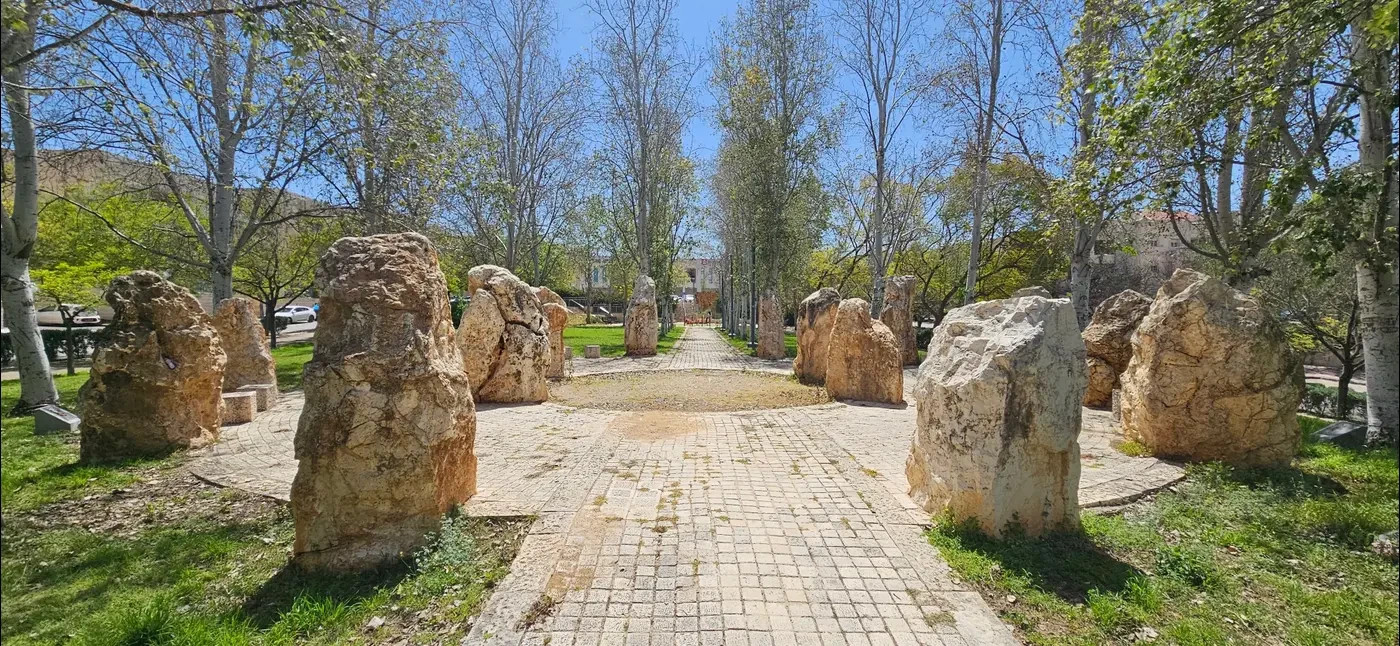
The Stonehenge of Modi'in
If anyone fell back in love with the city during the pandemic, it is photographer Yuval Shemesh. "I went out with Macaron my dog for tours in the city and discovered special places, including a path leading to a stone display that locals call Stonehenge," he notes. Through the Jane's Walk initiative, he began guiding residents to areas of their own city they had never seen before. This effort evolved into a specialized tour blending phototherapy, where he prompts participants to capture what they see so the group can collectively decode and share the emotions conveyed through the images.
On these tours, which he runs for small groups of 15–20 people at NIS 50 per person, he navigates small alleys that have been converted into memorial streets honoring fallen soldiers from the city, located right where those soldiers once lived. One such stop is a garden dedicated to Noa Marciano, a Modi'in native who fell during the events of October 7. The itinerary also features The Stonehenge of Modi'in – a local stone installation that has grown into a minor urban legend – as well as Grasshopper Park, home to a massive grasshopper sculpture built from recycled materials. Other highlights on the walking route include an outdoor fitness park for seniors and Grandpa Moti's chair garden, though the latter has largely been disassembled because the chairs were donated to public displays advocating for the hostages. "This is a different angle of getting to know the city that you won't find anywhere else," Yuval explains. During the winter, the tour also stops by the Hidden Lake, a seasonal winter pool that transforms into an unexpected nature retreat in the middle of the city.
Walking tour with Yuval: 050-9419933.
Hasmoneans, coins, and archaeological gold
Those seeking a deeper dive into history should visit Ashun Hill. During a 2015 archaeological excavation led by Dr. Avraham Tendler prior to the construction of the Moreshet neighborhood, teams uncovered artifacts from the Hellenistic and Roman eras. Among the discoveries was a Hasmonean farmhouse equipped with ancient agricultural installations. Excavators there unearthed a hidden hoard of shekels and half-shekels minted in the city of Tyre between 126–135 BCE, a treasure that is now housed in the local Hasmonean Museum.
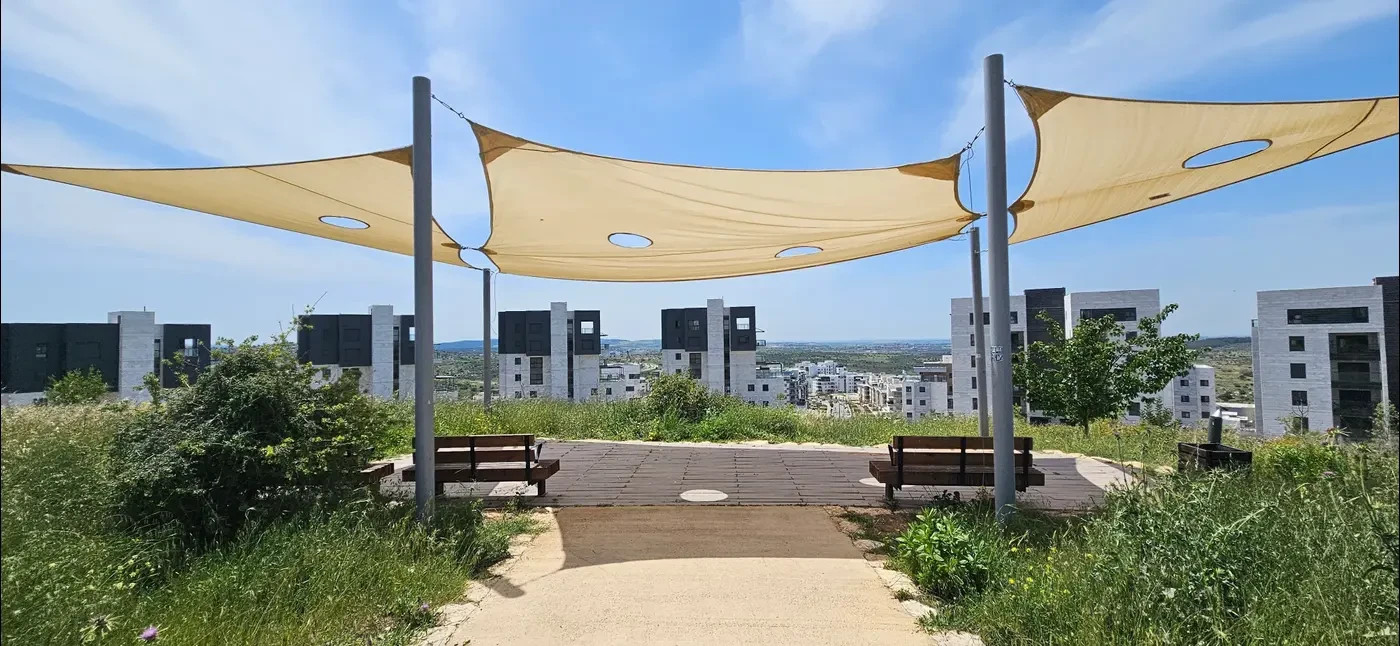
The farmhouse site, much like the rest of the hill, features stroller-accessible walking paths, beautiful seasonal blooms, and cultivated plots of local herbs such as lemon geranium and sage. The hill provides excellent panoramic views in all four directions, complete with benches and shaded pergolas. For those arriving by car, a nearby underground parking garage offers the first two hours of parking free of charge.
Ashun Hill, how to get there
The most delicious reason to come to Modi'in
We began our journey with food, and it is only fitting that we end it there.
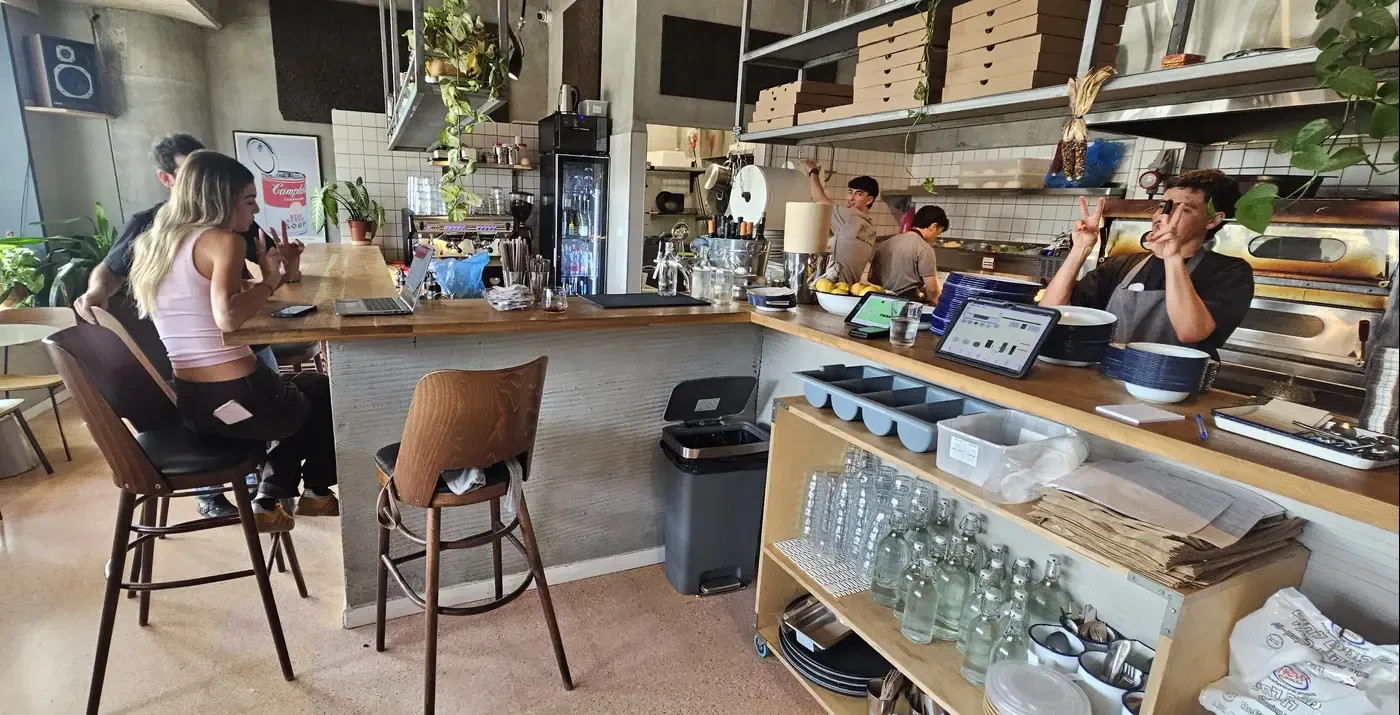
In recent years, Modi'in has worked hard to shake off its reputation as a mere "bedroom community," and its burgeoning restaurant scene is leading the charge. One of the standout operations is Hate'ena, a pizzeria run by Eyal Cohen, a photographer turned culinary entrepreneur. However, labeling it a simple pizzeria would be an understatement given the remarkably unique and flavorful pizzas served there.
After closing his previous restaurant in Mishmar Ayalon, Eyal reopened in Modi'in with an expanded menu, a strict focus on sourcing ingredients from local farmers, and a dough process that underwent a massive upgrade. "This is a dough with different risings and different cooling power," Eyal says, "It is baked in an electric oven that is not too hot like in fire and still the dough is crispy."
Alongside a selection of salads, fish dishes, and appetizers featuring gnocchi, eggplant brulee, and roasted beets, the menu highlights the house specialty: Pizzas. Options include variations topped with white corn, green garlic, and organic greens; spinach and Brie; or even spicy peach jam paired with Camembert. Yet the true standout remains the remarkably simple Marinara Stracciatella. This dish leaves nowhere to hide behind heavy cheeses or extra toppings, relying entirely on a vibrant tomato sauce, garlic, a touch of chili, parmesan, fresh basil, and lemon zest.
Hate'ena, kosher without a certificate.
In a country where numerous cities compete fiercely for tourist attention, Modi'in has mapped out a different strategy. Eschewing massive amusement attractions or famous beachside promenades, it builds its visitor experience around local stories, the individuals who tell them, and a seamless connection between urban life and nature. It is precisely this blend of grassroots community initiatives, hidden corners, and local pride that makes a visit so rewarding. Those willing to step off Route 443 for a moment may well find that one of the most pleasant tourism surprises in central Israel is hiding in a place they thought they already knew.