The index for June 2026 remained unchanged compared to May. The annual inflation rate remained relatively moderate, with the CPI rising 1.6% over the past 12 months (June 2026 compared to June 2025).
The housing market continues to show a clear cooling trend: The general home price index, which is not part of the CPI, plummeted by a full percent in just one month.
Price index: Culture became more expensive, while vegetables and clothing became cheaper
The stability in the general index this month is the result of opposing forces in various consumer sectors. Notable price increases were recorded in culture and entertainment, which rose by 1.0%, the housing category (reflecting rent and ongoing housing expenses in the index), which rose by 0.7%, health, which rose by 0.6%, and food, which rose by 0.4%.
Conversely, these increases were offset by significant price decreases in fresh fruits and vegetables, which plummeted by 5.2%, clothing and footwear, which decreased by 2.7%, transport, which shed 0.7%, and furniture and household equipment, which decreased by 0.5%.
Food: Dairy products become more expensive, chocolate and flour on a downward trend
Within the food category (excluding vegetables and fruit), which recorded an overall increase of 0.4%, the price hike in milk and dairy products was particularly prominent, rising by 1.1% and significantly affecting the general index. A deeper breakdown reveals sharp increases in meals at work (4.2%), baking and cake decorating products (2.9%), coffee capsules or blends (2.4%), prepared salads (2.2%), and cheese (1.9%). Meat and poultry prices also contributed to the rise, with a 1.0% increase in beef, frozen chicken, and pork. Conversely, consumers can find solace in price drops for chocolate and tahini, which decreased by 2.3%, as well as white flour and syrup concentrates, which shed 1.8% of their cost.
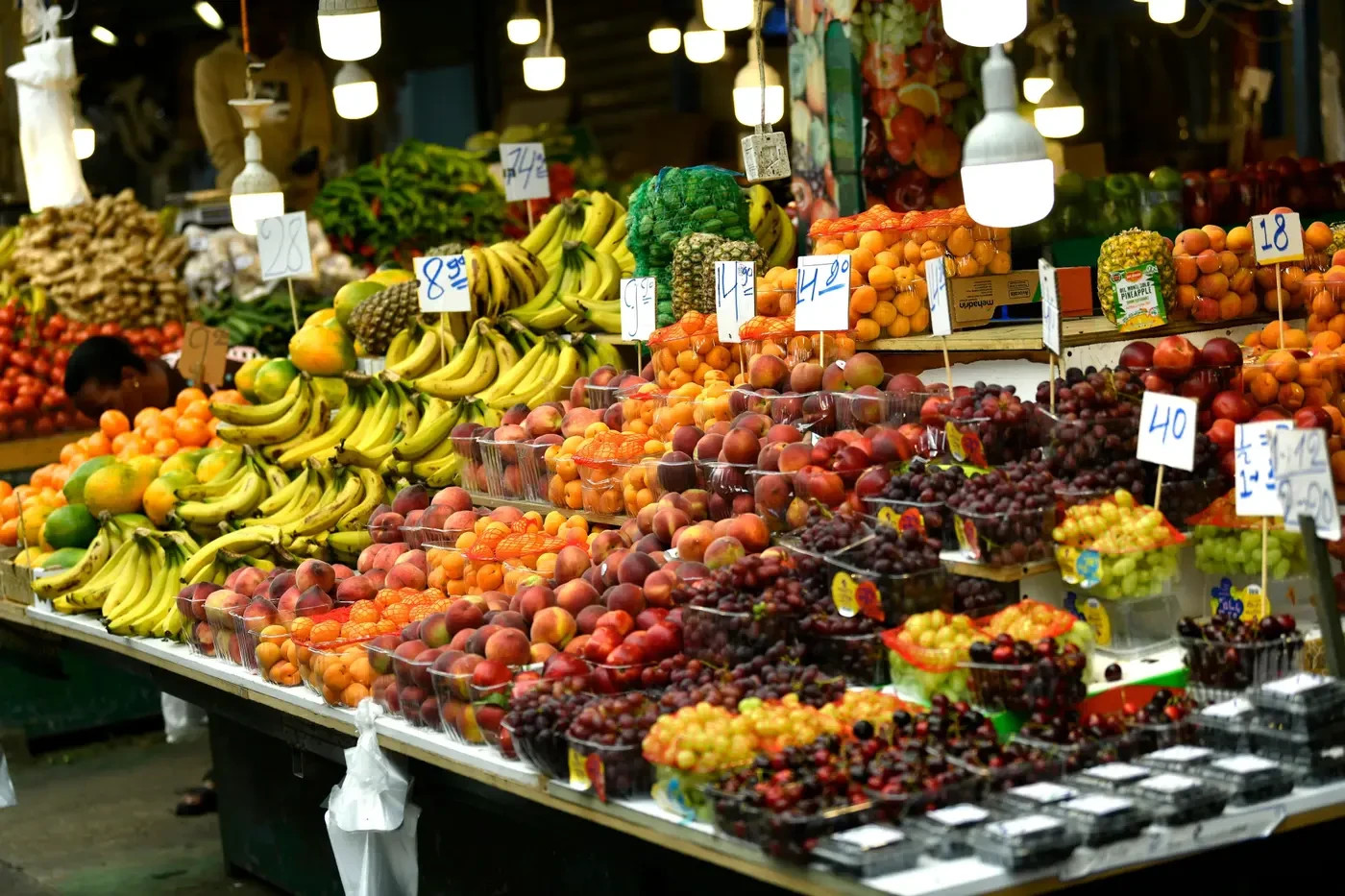
The fresh vegetables and fruits category recorded the most impressive decrease this month (–5.2%) and acted as the primary anchor offsetting price increases in the economy. The fresh fruit index led the trend with a 7.9% drop: Watermelon prices plummeted by 33.8%, and melon and apricot prices recorded sharp decreases of 24.1% and 23.7% respectively.
Conversely, sharp surges were recorded in the prices of cherries (28.5%) and kiwi (16.2%). In the fresh vegetables sector, which fell by an average of 3.0%, notable price reductions were seen in corn on the cob (–12.2%) and tomatoes (–8.6%), contrasted by an unusual price hike in artichokes, which rose by 13.0%, and broccoli, which climbed by 7.9%.

Domestic vacations become more expensive, fuel and flights abroad become cheaper
June marks the beginning of the travel season, and this was clearly reflected in the culture and entertainment category, which climbed by 1.0%. Prices of local hotels and guesthouses jumped by 5.6%, while holiday villages and hostels recorded a 3.5% increase. The most unusual price hike in this category was for museum admission tickets, which surged by 10.3%.
On the other hand, travelers flying abroad enjoyed a 1.6% price drop in the travel abroad category. Consumers also saw relief in the transportation sector, where fuel, charging, and motor oil prices fell by 3.1%, even though vehicle rentals in Israel jumped by an exceptional 12.8%.
End–of–season sales? Clothing and bedding in sharp decline
The clothing and footwear category displayed significant price cuts of 2.7% (and a 1.8% decrease when seasonally adjusted), with the clothing index alone shedding 3.3%. The sharpest declines were recorded in outerwear (–3.7%) and swimwear and hats (–3.4%). This downward trend also hit the furniture and household equipment category, where a dramatic 8.3% drop was recorded in the prices of bedding and towels, alongside decreases of over 3% in the prices of cutlery and tablecloths.
The Central Bureau of Statistics (CBS) also published significant data on the local real estate market this evening, pointing to a substantial cooling and a continuation of the downward trend in housing prices across the country.
Comparing transaction prices for April–May 2026 to those in March–April 2026 reveals that overall home prices (including new and second–hand apartments) fell by 1.0%. A comparison of the same period to the corresponding period last year (April–May 2026 versus April–May 2025) shows that the housing price index recorded an annual decline of 2.0%. The CBS noted: This is only the third annual decline period in the last decade, following similar periods recorded in 2018 and the second half of 2023.
In a breakdown by district, comparing April–May 2026 to March–April 2026, prominent price drops were recorded mainly in the major metropolitan areas: The Tel Aviv district recorded a sharp drop of 2.3%, the Jerusalem district shed 1.8%, the Haifa district fell by 0.5%, and the Northern district dropped by 0.3%. Price stability (0.0%) was recorded in both the Central and Southern districts.
In an annual year–over–year perspective, the district outlook is mixed: Annual price decreases were recorded in the Central district with 3.2%, Haifa with 2.6%, Tel Aviv with 2.5%, and the Southern district with 0.5%. Conversely, moderate annual price increases were recorded in the Northern district (1.4%) and the Jerusalem district (0.3%).
In the new apartments sector, a slight monthly decrease of 0.1% was recorded. Out of all these transactions, the proportion of deals carried out under government subsidy programs rose to 37.5%, up from 34.6% in the previous period. Interestingly, when excluding government–supported transactions, the new apartment price index actually rose by 0.2%. In an annual comparison, new apartment prices recorded a sharp decline of 3.9% compared to the corresponding period last year.
In a broader five–year historical perspective, the housing market still presents a significant price hike compared to the base index of April–May 2021: New apartment prices jumped by 29.9% over the past five years, while overall apartments in the market recorded a cumulative increase of 31.2% during the same period.
Rental market boiling: A 6.6% jump for new tenants
Although home purchasing prices are retreating, anyone looking to rent an apartment these days encounters an especially challenging reality. CBS data shows that: For tenants who renewed a contract, a 2.6% increase in rent was recorded. For new tenants (apartments in the sample where the tenant changed), a sharp jump of 6.6% was registered.
The CBS emphasized that: These rates reflect an approximation of the annual rate of change in these groups, as rent for most tenants remains fixed during the year under existing non–linked contracts.
Construction inputs: Annual increase of 3.7% due to wages
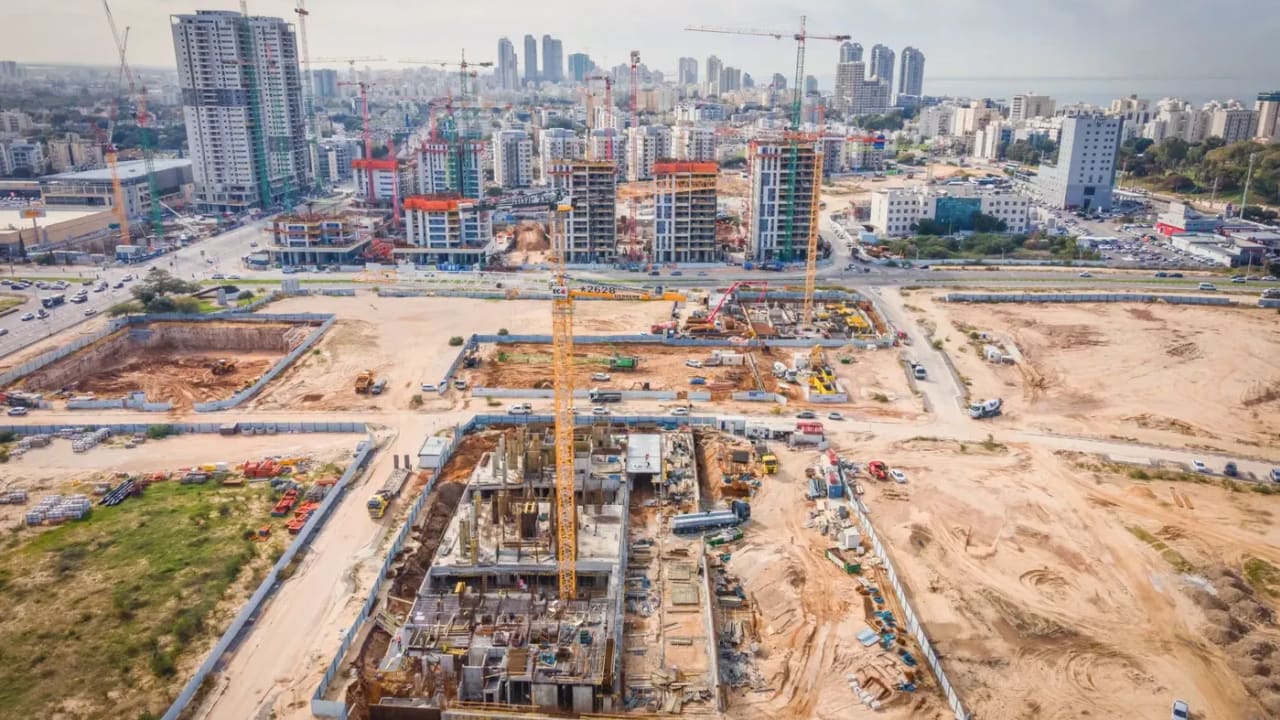
While apartment prices are falling, contractors' construction costs continue to rise at a moderate pace. The residential building input price index rose by 0.2% in June 2026, reaching 103.6 points. Since the beginning of the year, this index has recorded an increase of 2.4%, and over the last 12 months, it has climbed by 3.7%. The primary driver behind the annual increase in construction costs is wages in the sector, which jumped by 5.5% in the past year (recording an additional monthly increase of 0.4% in June).
In the materials and products category, a monthly increase of 0.2% was recorded in June, with notable price increases recorded in sewage and drainage systems (5.6%) and water systems (2.7%). On the other hand, prices of blacksmith products decreased by 2.1% and ready–mixed concrete prices fell by 0.9%.
A mixed trend was also recorded in producer price indexes. The price index of industrial output for domestic destinations decreased by 0.8% in June compared to May, driven primarily by a sharp 9.8% decrease in refined petroleum product prices and a 3.7% drop in clothing products. However, the index excluding fuels actually rose by 0.3%. Over the last 12 months, the general industrial output index rose by 0.8%. Concurrently, the mining and quarrying price index decreased by 1.0% this month, completing a sharp annual drop of 8.8% compared to June last year.

Israel Attia, CEO of the Financial Planning Center, said that: "The gap in annual approximation between a 2.6% increase in rent for tenants who renewed a contract and a 6.6% jump for new tenants illustrates that the real pressure in the rental market is stronger than it appears in the index. Every time an apartment returns to the market and a tenant turnover occurs, the price rises sharply. This also means ongoing pressure on inflation, especially when fewer apartments are available for rent and demand remains high.
"The solution cannot be limited only to price control. First and foremost, a structural change on the supply side is required. Opening up barriers to REITs, encouraging long–term rental housing, and introducing institutional capital into the market can increase the stock of rental apartments and create a stable alternative to the private market. Without increasing supply, every apartment that leaves the rental market only increases competition for the remaining apartments and creates additional pressure for price increases."