
Summer is already just around the corner, and just as we change our wardrobe to lighter clothes, apply sunscreen, and make sure to avoid prolonged exposure to the sun, so too should our nutrition undergo an adaptation to the hot season. The high temperatures affect the body, the feeling of hunger, our fluid balance, and our energy consumption. Therefore, precisely in the summer, it is advisable to choose light foods, rich in fluids, vitamins, and antioxidants, which will assist in maintaining a feeling of freshness, skin and eye health, and optimal functioning of the body.
Healthy skin against the sun – the protection starts from the plate as well
Alongside the use of sunscreen, there are nutritional components that may assist in protecting the skin from sun damage and reduce the impact of free radicals formed as a result of exposure to UV radiation. Components such as vitamin C, vitamin A, vitamin E, and lycopene are known for their activity as antioxidants and contribute to maintaining skin health, reducing dryness, and encouraging renewal processes.
Where will we find them?
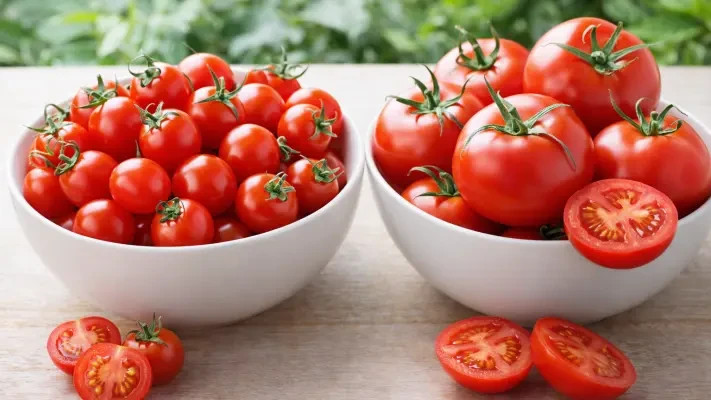
Lycopene – in watermelon, tomatoes, and other red fruits.
Vitamin C – in peppers, kiwi, tomatoes, and citrus fruits.
Vitamin A – in orange vegetables and fruits such as carrots, sweet potatoes, and pumpkin.
Vitamin E – in nuts, almonds, seeds, and high-quality vegetable oils.
Regular integration of these foods into the menu does not replace sun protection, but constitutes an additional layer of support for skin health.
The eyes need protection in the summer too
In the summer we are exposed to many hours of strong light, and sometimes also to prolonged time in front of screens during vacations or work. Two important antioxidants – Lutein and Zeaxanthin – Assist in protecting the eye by filtering part of the blue light rays and reducing oxidative damage to the retina.
The main sources:
Lutein – in green leafy vegetables such as spinach, kale, and lettuce.
Zeaxanthin – in orange pepper, corn, and other colorful vegetables.
A diet rich in colorful vegetables provides the eyes with essential components that may contribute to their long-term health.
A summer plate – light, colorful, and refreshing
On hot days, many of us feel that heavy meals are simply not suitable. The body prefers food that is easy to digest, which does not weigh us down and allows for the maintenance of energy throughout the day.
A balanced summer plate can include:
A variety of fresh and colorful vegetables.
Lean protein such as chicken, turkey, fish, or legumes.
A moderate amount of high-quality carbohydrates such as sweet potato, corn, quinoa, or whole-wheat bread.
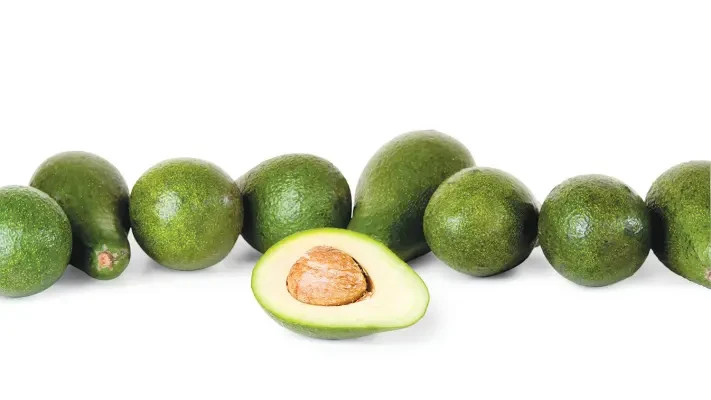
A little healthy fat from avocado, tahini, or olive oil.
In this way, a satisfying but not heavy meal is obtained, which provides the body with the necessary nutritional components even on hot days.
Not waiting for thirst – increasing drinking
In the summer, the body loses fluids through sweat, and sometimes the feeling of thirst arrives only after mild dehydration has already begun. Therefore, it is important to ensure drinking throughout the entire day.
Water is the best choice, but it is also possible to diversify with:
Water with the addition of mint, lemon, or cucumber.
Cold herbal tea infusions without sugar.
Water-rich fruits such as the Puma variety watermelon, melon, grapes, and strawberries.
Vegetables such as cucumber and lettuce, which also contribute to the daily fluid consumption.
Foods that cool from within
According to traditional medicine, there are foods with a "cooling" nature that assist in balancing the internal heat sensation of the body. Among these foods, one can find avocado, cucumber, watermelon, and yogurt, which are considered refreshing and easy to digest. Even if the effect varies from person to person, their integration into the summer menu can add a feeling of lightness and freshness.
The summer is an opportunity to refresh not only the wardrobe but also the plate. Choosing foods rich in fluids, vitamins, and antioxidants, alongside ensuring sufficient drinking and light and balanced meals, can assist the body in coping better with the heat and maintaining the health of the skin, the eyes, and the general feeling throughout the season.
The author is Galit Snir, a clinical dietitian at the Hazera company