
Saudi state oil giant Aramco is exploring the expansion of a crude pipeline that circumvents the Strait of Hormuz as the world continues to experience the biggest energy supply shock in history, CEO Amin Nasser said on Tuesday.
The effective blockade of the chokepoint, previously a conduit for 20% of global oil supplies, has redrawn global energy flows and infrastructure investment priorities in the Gulf.
The impact extends far beyond the energy market, Nasser said in a statement to Reuters.
"Higher transportation costs, fertilizer shortages, and impacts on food and consumer goods are feeding into inflationary pressures across the global economy," he said.
Aramco had shown resilience, Nasser said, as the company reported a more than one-third surge in third-quarter net profit on Tuesday.
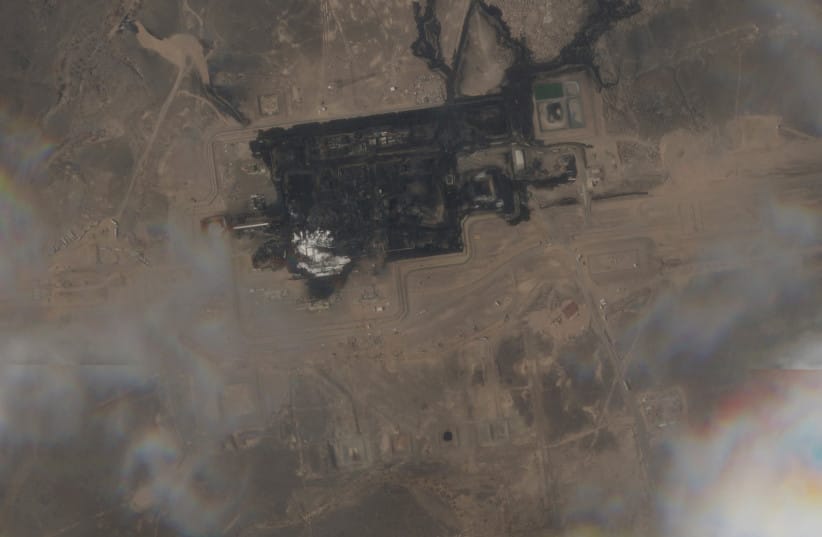
He said that Aramco was exploring additional export routes and overseas storage capacity, including a potential expansion of the East-West Pipeline that carries Saudi crude to export hubs on the Red Sea.
The pipeline, which has been attacked several times throughout the US-Iran war, has the capacity to carry up to 7 million barrels of oil a day. Nasser has previously described it as a critical lifeline.
Over 100 attacks on tankers reported
More than 130 attacks on tankers have been reported so far, mainly against very large crude carriers, causing freight rates to surge more than 15 times from a year ago, Nasser said. VLCCs can carry 2 million barrels of oil.
"Demand fundamentals remain strong and the world cannot afford to plan its energy future around short-term market conditions. We remain ready to rapidly ramp up production when the situation calls for it," Nasser said.