Archaeological study
Snake snacks? Hunter-gatherer diets in northern Israel included reptiles, new study suggests
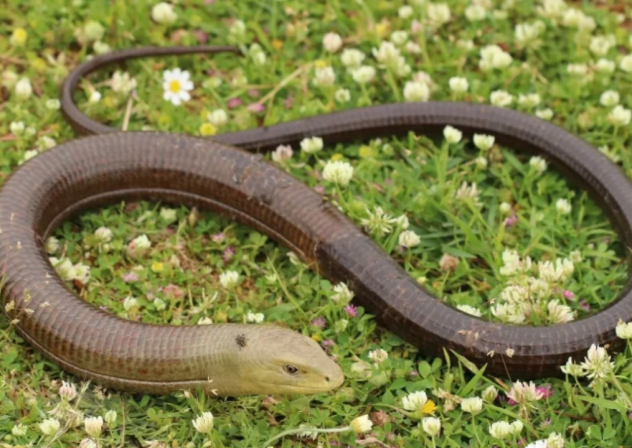
Using careful examination methods, researchers were able to identify for the first time cut marks made by flint knives in consistent locations on the bones of large snakes found at the site.

‘Smoking gun evidence’: Bronze Age shaman long thought to be male revealed to be female goldworker

Ancient Egyptian princesses were skilled archers, trained with weapons, controversial study claims

Ancient humans precisely navigated northern Israel to find right stones for tools, study suggests
Early humans in South Africa used dedicated quarries for stone as long as 220,000 years ago - study
Based on this, researchers suggest that early homo sapiens planned for the long-term acquisition of resources earlier than previously thought.
Ashes of Pompeii: New study confirms ancient city's role within Rome’s global trade route
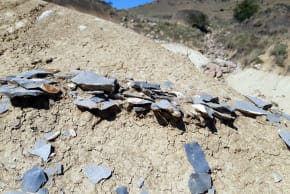
Remnants of a “grape-derived product” was also found within one of the burners, the study noted, consistent with literary and artistic depictions of wine being used for ritual purpose in Rome.

How archaeologists used technology to rediscover ancient Egyptian city on the Nile Delta - study
The site holds three prominent mounds, known as Koms A, B, and C, with Kom C selected for investigation due to its history spanning the Predynastic period through the Early Islamic era.

Clay cylinders found in Iraq bear writings of Babylonian king who besieged Jerusalem, study reveals
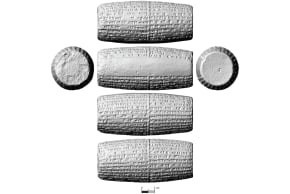
The translation appears to align with a description of Nebuchadnezzar from the Book of Daniel, which depicts him walking on his palace roof in Babylon while boasting of his construction projects.
Native American use of dice, probability predates known Old World dice by millenia - study
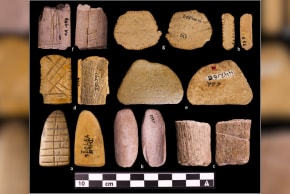
In total, archaeologist Robert Madden observed 659 sets of Native American dice from 57 archaeological sites across 12 different states.
Neanderthals who lived in Siberian cave millenia apart were distant relatives, study finds
Further analysis of the genetic similarity showed that Neanderthals in the Altai region likely lived in groups of fewer than 50 people.

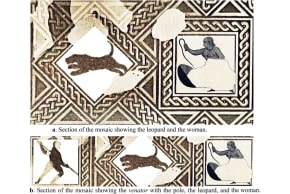
Lost mosaic shows first visual depiction of women fighting beasts in Roman arenas - study
The mosaic, recovered in 1860s Reims, France and dated to the third century CE, shows about 35 different gladiatorial and hunting scenes, each surrounded by diamond or square-shaped decorations.
China's largest artifact made of meteorite iron found in Bronze Age ritual site - study
To date, a total of 13 meteoritic iron artifacts have been identified in China, with most found in the country’s north.

Israel’s 'Stonehenge’ not alone with near 30 similar sites, satellite imagery reveals - study
The newly discovered sites all share a similar design: large circular structures, between approximately 50 to 250 meters in diameter, built with stones taken from local basalt fields.

Stone handaxes found in Galilee show early humans valued aesthetics of their tools - study
The axes were dated to the Pleistocene, likely made by Homo erectus, the first human species to evolve to have a humanlike body shape and gait, who had lived in the region thousands of years ago.
