Archaeological study
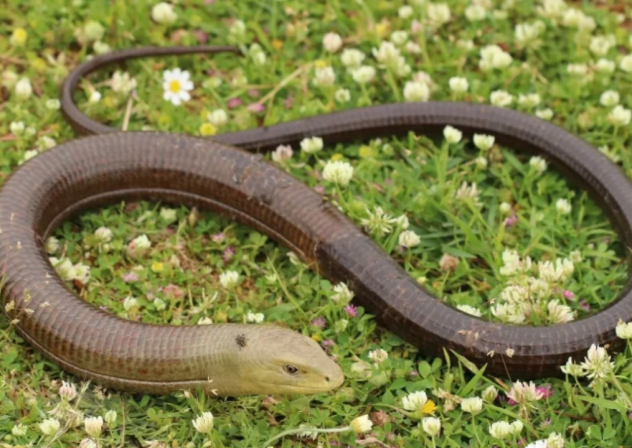
Snake snacks? Hunter-gatherer diets in northern Israel included reptiles, new study suggests
Using careful examination methods, researchers were able to identify for the first time cut marks made by flint knives in consistent locations on the bones of large snakes found at the site.

‘Smoking gun evidence’: Bronze Age shaman long thought to be male revealed to be female goldworker

Ancient Egyptian princesses were skilled archers, trained with weapons, controversial study claims

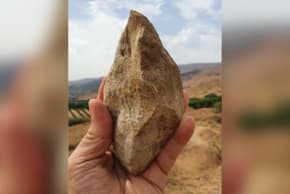
Ancient humans precisely navigated northern Israel to find right stones for tools, study suggests
Amateur diver finds Crusader-era sword off Israel’s coast, for the second time
Tests indicate the meter-long (3.3-foot) weapon likely belonged to a 12th-century Crusader who brought it from Europe.

New dating of Jordan Valley site rewrites timeline of human migration from Africa - study
Researchers used three different methods to date the site, challenging the preexisting notion of the site being between 1.2 and 1.6 million years old.
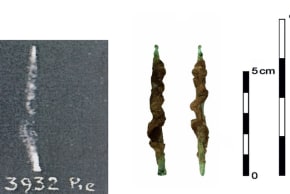
Newly identified ancient Egyptian copper drill rewrites history of region’s craftsmanship
The drill’s chemical composition was also surprising, study co-author Jiří Kmošek noted, as it is made up of an unusual copper alloy containing arsenic, nickel, lead, and silver.
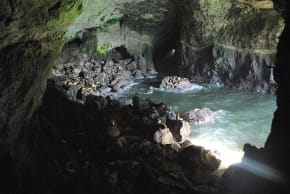
Researchers discover world’s oldest sewn hide, dated to Ice Age, in Oregon caves - study
Through carbon dating, researchers have ruled that the artifacts are between approximately 11,700 and 12,900 years old, a time when Ice Age temperatures had returned after a brief warm period.
Elephant bone found at Spanish archaeological site may have marched on Rome with Hannibal - study
The finding represents the first elephant skeletal remains found to possibly confirm Hannibal’s historical march from Carthage to Italy during the Second Punic War.

Canine remains discovered in Bulgaria show dog meat may have been Iron Age delicacy - study
The Greeks, as well as the Thracians, who lived in what is now modern-day Bulgaria, are believed by researchers to have consumed dog meat.

Humans, not glaciers, brought stones to Stonehenge, study confirms
After analysing over 700 zircon and apatite grains they found that glaciers likely didn’t extend to parts of England as far south as Salisbury Plain during the last ice age.

Archaeologists discover 5,000-year-old evidence of ancient Egyptian conquest in Sinai desert
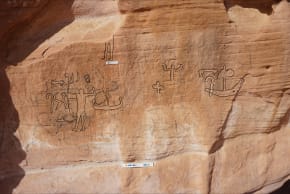
The carving of a boat, erased name of a pharoah, and two depictions of the Egyptian diety Min were also found nearby.
New genetic study pushes Australian settlement back 60,000 years, supporting ‘long chronology’
“This helps refine our understanding of human origins, maritime mobility, and early seafaring narratives,” one of the study’s authors said

Archaeologists uncover 15,000 unexpected artifacts beneath Tulsa cemetery
A routine search for unmarked graves at Oaklawn Cemetery has instead uncovered 15,000 artifacts that reveal a vivid, unexpected picture of early Tulsa.
