Archaeological study
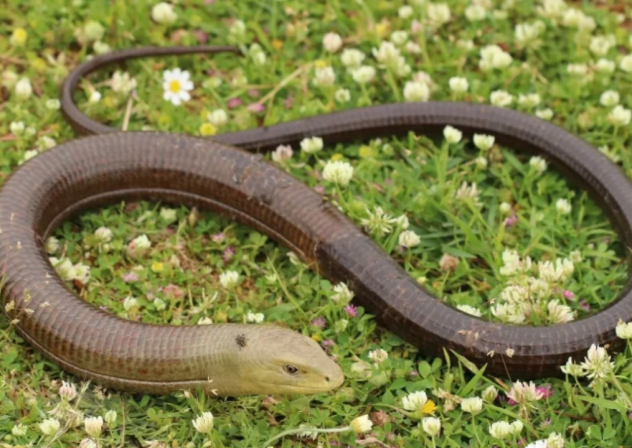
Snake snacks? Hunter-gatherer diets in northern Israel included reptiles, new study suggests
Using careful examination methods, researchers were able to identify for the first time cut marks made by flint knives in consistent locations on the bones of large snakes found at the site.

‘Smoking gun evidence’: Bronze Age shaman long thought to be male revealed to be female goldworker

Ancient Egyptian princesses were skilled archers, trained with weapons, controversial study claims

Ancient humans precisely navigated northern Israel to find right stones for tools, study suggests
Study links Arabian god Kahl to smiting deity tradition
Research connects Qaryat al-Fāw’s patron god to Near Eastern iconography and coinage.

Experts rethink China's Great Wall true purpose
Recent findings suggest the wall served to support pastoralism and control local nomadic groups.

New study shows human ancestor thrived in harsh desert conditions over 1 million years ago
The research challenges the long-held belief that only Homo sapiens had the capacity to thrive in extreme environments.

Archaeologists uncover artifacts from ancient Egypt's 2nd, 3rd, and 18th dynasties in Saqqara
the expedition uncovered over ten burials from the 18th Dynasty, indicating that Saqqara was used as a necropolis during the New Kingdom when Memphis was reinstated as the capital of Egypt.

800-year-old pottery fragment depicting Anatolian leopard discovered in Hasankeyf
The damaged piece showcases the body of a wild animal at the front, though its head is missing. Behind it, the head of a wild goat has been identified.

Different human ancestors walked together, footprints suggest
Study provides first evidence of different bipedalism styles on same footprint surface, attributed to both species.

Recent research into dinosaur diets shows why they ruled the Earth - study
The study used hundreds of fossils of well-fed dinosaurs to compare and contrast nutrition dynamics across five vertebrate assemblages of these beasts from the Triassic and Jurassic periods.

Ancient Jewish quarter of Phanagoria discovered in Black Sea area of Russia
Phanagoria's 1st century BCE synagogue was discovered last year, following excavations on the ancient Greek city.

How many sides does The Great Pyramid have? New study says it’s not four
The answer can only be seen from the air.

Spanish smiths used meteorite metals 3,000 years ago, study suggests
The Treasure of Villena, discovered in the Valencia region of Spain in, is considered one of the most important collections of prehistoric treasure in Europe, consisting of 66 mostly golden artifacts
